
How Bad Are Chicken Thighs For You? Nutrition, Risks & Health Facts
You can enjoy chicken thighs without guilt if you manage portions and choose lean cooking methods. They pack protein, B vitamins, iron, and healthy fats but also contain more calories and saturated fat than breast meat.
When you skip the skin and grill, bake, or air-fry them, chicken thighs fit easily into a balanced diet and aren’t inherently bad for you.

This post explains what’s in a thigh, how it compares with other cuts, the real health upsides, and the risks to watch for. You’ll see clear comparisons, nutrition facts, and simple cooking tips that show how much the method of preparation changes the health story.
Are Chicken Thighs Bad For You?
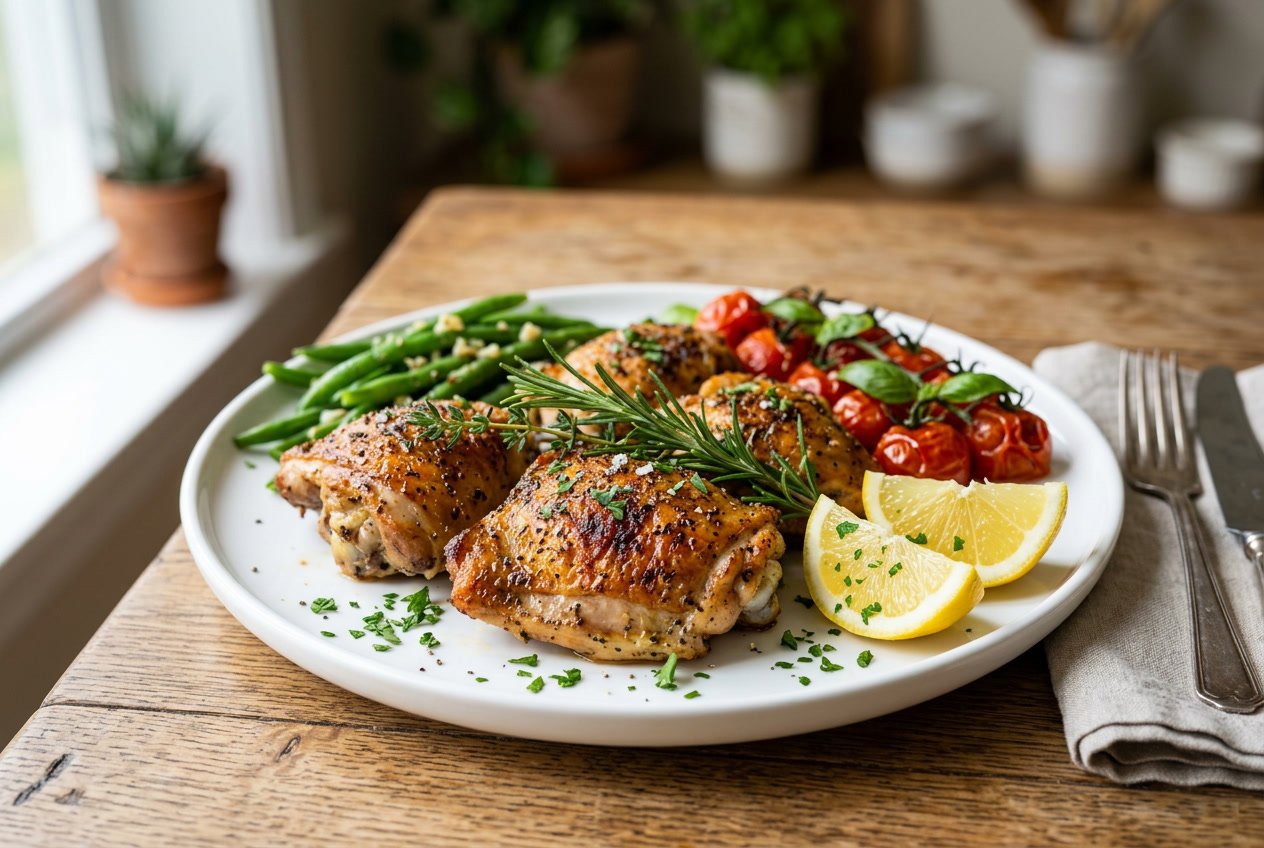
Chicken thighs contain more fat and slightly more calories than skinless breast meat. They also provide substantial protein, B vitamins, zinc, selenium, and iron.
How you cook them, whether you remove the skin, and how often you eat them shape their place in your diet.
Why Chicken Thighs Are Often Considered Unhealthy
People focus on chicken thighs’ higher total fat and saturated fat compared with breast meat. A 3-ounce skinless thigh typically has around 9–10 g total fat and 2 g saturated fat, while a similar portion of breast has closer to 3 g total fat.
That difference matters if you’re tracking saturated fat or total caloric intake. Frying, heavy breading, or cooking with large amounts of butter or oil raises calories and saturated fat quickly.
Leaving the skin on increases fat and calories per serving. Removing it cuts those numbers substantially.
Fact Check: Are Chicken Thighs Really That Bad?
Chicken thighs can fit into a healthy diet when you prepare them with healthy methods and portion control. They supply about 20–22 g protein per 3-ounce serving and important micronutrients such as B12 and selenium that support energy and immune function.
Use these practical choices to keep thighs healthy:
- Choose skinless or remove skin after cooking.
- Prefer grilling, baking, roasting, or air-frying over deep-frying.
- Pair thighs with vegetables and whole grains to balance the meal.
If you limit added saturated fat and sodium and moderate portions, chicken thighs can be a nutritious, cost-effective protein choice.
Nutritional Content Of Chicken Thighs
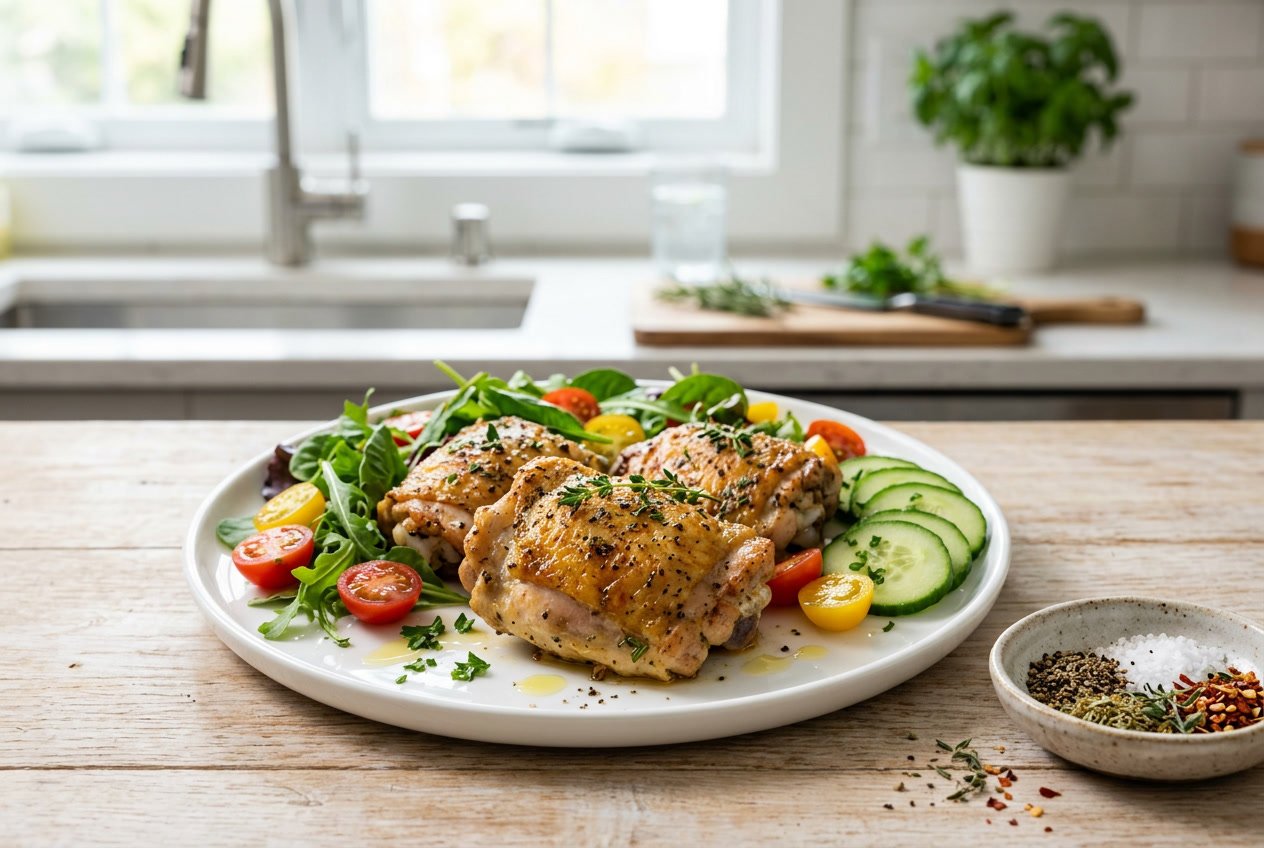
Chicken thighs provide a concentrated source of protein, modest calories, and several important minerals and B vitamins. Your choice of skin-on versus skinless and cooking method will meaningfully change calories and fat while protein and many micronutrients stay relatively stable.
Key Macros: Protein, Fat, and Calories
A 100 g cooked chicken thigh typically gives you about 25–26 g of protein. That protein is complete and supports muscle maintenance and repair.
Calories for 100 g cooked thigh usually range from roughly 180 to 220 kcal. Skin-on versions sit near the higher end because of added fat.
Total fat is about 8–11 g per 100 g for skin-on, and around 6–7 g for skinless. Saturated fat is moderate (about 2–3 g per 100 g) so portion control matters if you monitor saturated fat intake.
Carbohydrates remain essentially zero, so chicken thighs work well in low-carb plans. Pay attention to added oil or breading, which can substantially raise calories and fat beyond these baseline numbers.
Essential Vitamins and Minerals in Chicken Thighs
Chicken thighs deliver several micronutrients in useful amounts for everyday diets. Per 100 g cooked, expect notable amounts of iron (around 1–1.5 mg), zinc (about 2–3 mg), and selenium (about 20–30 mcg).
These nutrients support oxygen transport, immune function, and antioxidant systems. B vitamins concentrate in dark meat.
Niacin (B3) and vitamin B6 commonly provide substantial percentages of daily needs, aiding energy metabolism. Thighs also supply phosphorus and small amounts of vitamin B12 and riboflavin.
If you rely on chicken thighs regularly, they help cover micronutrient needs better than very lean white meat alone. Still, variety across protein sources will fill any gaps.
Differences Between With Skin and Skinless Chicken Thighs
Removing the skin reduces total fat by roughly 30–50% and lowers calories by around 30–40 kcal per 100 g. Skinless chicken thigh nutrition becomes closer to lean cuts while keeping the same protein yield (about 25–26 g per 100 g cooked).
Skin-on thighs offer more flavor and longer moisture retention during cooking because the fat renders and protects meat. That also increases energy density and saturated fat intake per serving.
Bone-in versus boneless changes cooking yield and portion perception but not the macronutrient profile of the edible meat. If you need lower calories or less fat for daily intake, choose skinless chicken thighs or remove skin after cooking.
Chicken Thighs vs. Other Chicken Cuts
Chicken thighs deliver more fat, slightly less protein, and higher levels of iron and zinc than lean white meat. You’ll trade a few calories for richer flavor, more moisture during cooking, and nutrients that are less abundant in breasts.
Chicken Thighs Compared to Chicken Breasts
A 100 g serving of boneless skinless chicken thigh contains about 144 calories, about 18–19 g protein, and about 8 g fat. A 100 g boneless skinless chicken breast is closer to 106 calories, about 22–23 g protein, and about 2 g fat.
Thighs give you more energy per serving and a slower digestion rate because of the extra fat. If you worry about saturated fat or calorie control, breasts are the better choice for tight calorie budgets or post-workout meals where maximal protein and minimal fat matter.
If you want longer satiety, more iron and zinc, or a cut that resists drying when cooked, thighs work better. Use breasts when you need low-fat, high-protein portions; use thighs when flavor, moisture, and micronutrients matter more.
Boneless Skinless Chicken Thighs Basics
Boneless skinless chicken thighs remove most surface fat and reduce calories compared with skin-on thighs while keeping the dark-meat nutrient profile. They still contain more fat than breast meat, but the fat is internal and helps retain juiciness during high-heat cooking or braising.
Nutritionally, boneless skinless thighs provide useful amounts of B vitamins, iron, and zinc alongside 18–19 g protein per 100 g. They tolerate longer cooking times and produce more forgiving results in stews, grills, and pan-frying.
Portion control and trimming visible fat help you balance the richer nutrient mix of boneless skinless chicken thighs with overall calorie or saturated fat limits.
Health Benefits Of Chicken Thighs
Chicken thighs provide concentrated protein, B vitamins, and minerals that support muscle, energy metabolism, and immune function. When you choose skinless thighs and moderate portions, you get richer nutrient density than many other affordable protein options.
Chicken Thighs As A Complete Protein Source
Chicken thighs supply all nine essential amino acids, so they count as a complete animal protein for building and repairing tissue. A 3–4 ounce cooked, skinless thigh typically delivers about 20–28 grams of high-quality protein, which helps you meet daily targets for muscle maintenance and recovery.
Protein from thighs digests steadily, helping you feel full and stabilize blood sugar between meals. That makes them useful for weight management or post-workout recovery.
If you track protein per calorie, thighs are slightly higher in calories than breast, but their protein-per-serving remains substantial and cost-effective.
Micronutrients That Support Health
Chicken thighs contain notable amounts of B vitamins, especially niacin (B3) and vitamin B6, which you need for converting food to energy and for nervous system function. Thighs also provide phosphorus and selenium.
Phosphorus supports bone structure and cellular energy. Selenium acts as an antioxidant cofactor that supports thyroid and immune health.
Because thighs are darker meat, they offer more bioavailable forms of several nutrients compared with white meat. Eating thighs in balanced meals can help you meet daily micronutrient requirements, especially if your diet is otherwise low in animal-sourced vitamins and minerals.
Choose cooking methods like baking or grilling to retain nutrients without adding excessive fat.
Role of Zinc and Iron
Chicken thighs supply both zinc and iron in amounts that meaningfully contribute to daily needs. Zinc supports immune response, wound healing, and DNA synthesis.
A typical thigh provides around 1.5–3 mg depending on size and preparation. That helps you reach the recommended intake, especially if you don’t eat red meat often.
Iron in thighs is mainly heme iron, which your body absorbs more efficiently than nonheme iron from plant sources. A 3–4 ounce serving can deliver roughly 1–2 mg of iron, aiding oxygen transport and preventing fatigue when combined with iron from other foods.
Pairing thighs with vitamin C–rich vegetables further enhances iron absorption from the meal.
Potential Health Risks
Chicken thighs contain more fat and cholesterol than lean cuts, and cooking methods can increase their unhealthy components. Pay attention to portion size and preparation to manage these risks.
Saturated Fat and Heart Health
Chicken thighs have higher total and saturated fat than skinless breast meat. A typical 100 g cooked, skinless thigh contains about 2–3 g of saturated fat; with skin or frying that amount can double or more.
Saturated fat raises LDL (“bad”) cholesterol in many people, which increases risk for atherosclerosis and coronary heart disease. If you have elevated LDL, metabolic syndrome, or a family history of heart disease, favoring skinless thighs, trimming visible fat, or choosing breast meat more often will lower your saturated fat intake.
Use cooking methods that don’t add fat such as baking, grilling, poaching, or sous-vide. Avoid deep-frying or heavy pan-frying.
Cholesterol Concerns
Chicken thighs contain more dietary cholesterol than breasts: roughly 80–140 mg per typical serving depending on size and whether skin is present. Dietary cholesterol affects blood cholesterol variably; in many people it has modest impact, but in “hyper-responders” or those with existing hyperlipidemia it can raise LDL levels.
If you monitor cholesterol, track total daily intake. Choose skinless portions, limit thigh servings to recommended portion sizes (about 3–4 ounces cooked), and pair meals with fiber-rich vegetables and whole grains, which help blunt postprandial cholesterol effects.
Your clinician can advise targets based on your lipid panel.
How Cooking Method Impacts Healthiness
Different cooking methods change calories, fat content, and food-safety risks. Choosing low-added-fat techniques and safe handling reduces saturated fat intake and the chance of foodborne illness.
Healthy Ways to Prepare Chicken Thighs
Bake, roast, grill, steam, or poach to keep calories and added fat low. Baking at 375–425°F for 25–40 minutes (depending on thickness) renders fat and crisps the exterior without extra oil.
Use a rimmed sheet or roasting pan so fat drains away. Grilling lets excess fat drip off.
Keep direct-heat searing short and finish over medium heat to avoid charring. Air frying gives a crispy texture with much less oil than deep frying.
Season with herbs, citrus, garlic, or spice rubs instead of sugary sauces or heavy batters. If you want lower saturated fat, remove the skin before cooking or after roasting.
Skin-on retains moisture but adds more fat. Pair thighs with vegetables and whole grains to balance the meal.
Why Frying Chicken Thighs Can Be Unhealthy
Deep frying and heavy pan-frying increase calories by absorbing oil and raising saturated and trans fat exposure when oils break down. A typical deep-fried thigh can double the calorie and fat load compared with a baked, skinless thigh.
Reused or overheated oils produce harmful oxidation products. Avoid frying at excessively high temperatures or reusing oil repeatedly.
Breading or battering adds refined carbs and sodium on top of absorbed fat. If you choose frying, use a high-smoke-point oil (such as peanut or refined avocado) and maintain 350–375°F to limit oil absorption.
Drain on paper towels and keep portions moderate to reduce the negative impact on blood lipids and calorie balance.
Safe Handling of Raw Chicken
Consider raw chicken a high-risk food for Salmonella and Campylobacter.
Thaw chicken in the refrigerator or under cold running water. Never thaw it on the counter.
Use separate cutting boards and knives for raw poultry and ready-to-eat foods. This helps prevent cross-contamination.
Cook chicken to an internal temperature of 165°F (74°C) at the thickest part. Let the meat rest for three minutes before cutting.
Wash your hands, utensils, and surfaces with hot, soapy water after touching raw chicken.
If you marinate chicken, discard the used marinade or bring it to a boil before using it as a sauce.


