
How Are Chicken Thighs Good for You? Nutrition & Health Benefits
You can enjoy chicken thighs and still eat healthfully. Dark meat delivers protein, B vitamins, iron, zinc, and heart-healthy monounsaturated fats that support muscle, energy, and immune function when you prepare it without excess added fat.
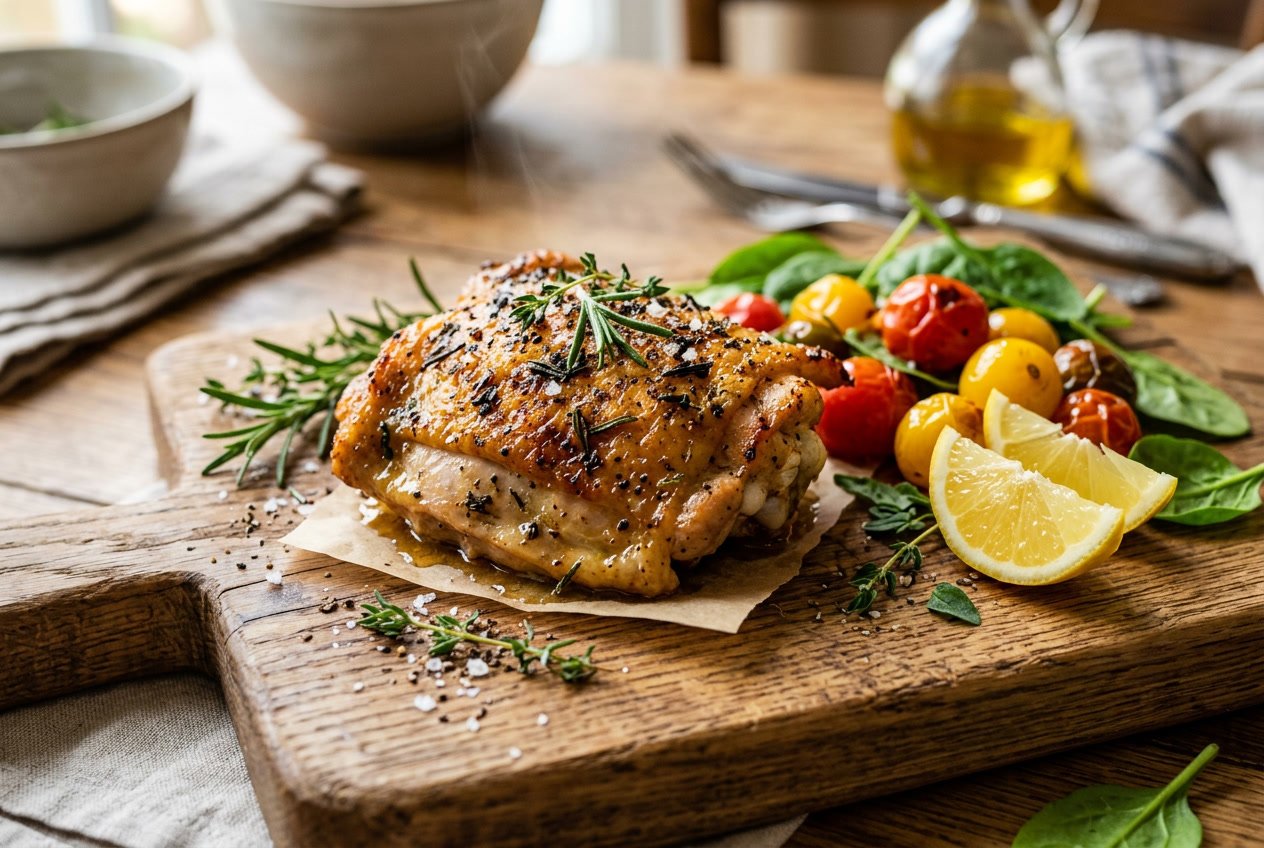
Make bold choices in cooking and portioning to use thighs as a practical, flavorful way to meet your protein needs while keeping calories and saturated fat in check.
Keep reading to see exact nutrition facts, how the fats affect your health, how thighs compare to breasts, and simple cooking methods that make them a smart fit for weight management and special diets.
Chicken Thigh Nutrition Facts

Chicken thighs provide concentrated protein, modest fat, and several key vitamins and minerals in a compact portion. A single boneless, skinless chicken thigh typically supplies around 170–210 calories and 25–30 grams of protein when cooked, making it a practical choice for meals that prioritize satiety and muscle support.
Macronutrients in Chicken Thighs
A cooked, boneless, skinless chicken thigh (about 100 g) usually contains roughly 170–180 calories, 25–26 g protein, and 8–10 g total fat. Protein per ounce is slightly lower than breast, but each thigh still delivers a substantial 20–30 g of high-quality animal protein useful for muscle repair and daily protein targets.
Fat content includes both saturated and unsaturated fats, with saturated fat around 2–3 g per 100 g. Carbohydrates are negligible (0 g), so thighs suit low-carb and ketogenic patterns.
If you track macros, count a skinless thigh as a moderate-fat, high-protein item and adjust portion size to meet calorie goals.
Micronutrient Content
Chicken thighs offer more iron and zinc than white meat cuts, which supports oxygen transport and immune function. Per 100 g cooked, expect iron around 1–1.5 mg and zinc roughly 1.5–2 mg.
Thighs also supply B vitamins—particularly niacin (B3), vitamin B6, and smaller amounts of B12—important for energy metabolism and nervous system function. You’ll also find selenium and phosphorus; selenium acts as an antioxidant cofactor, and phosphorus supports bone and cellular energy processes.
These micronutrients make boneless skinless chicken thighs a nutrient-dense protein option beyond mere calories and grams of protein.
Skinless vs. Skin-On Chicken Thighs
Removing the skin lowers calories and total fat substantially. For cooked chicken thigh per 100 g: skinless versions typically range ~170–180 kcal and ~9–10 g fat, while skin-on versions rise to roughly 210–230 kcal and ~13–15 g fat.
The skin contributes most of the saturated fat and extra calories. Keep the skin when roasting for flavor and moisture, then remove before eating to reduce fat intake.
If you prefer grilling or pan-searing, trim visible fat and drain excess fat after cooking to help control calories. Both skinless and skin-on options provide the same protein and most micronutrients; your choice should reflect your calorie, fat, and flavor priorities.
Health Benefits of Chicken Thighs
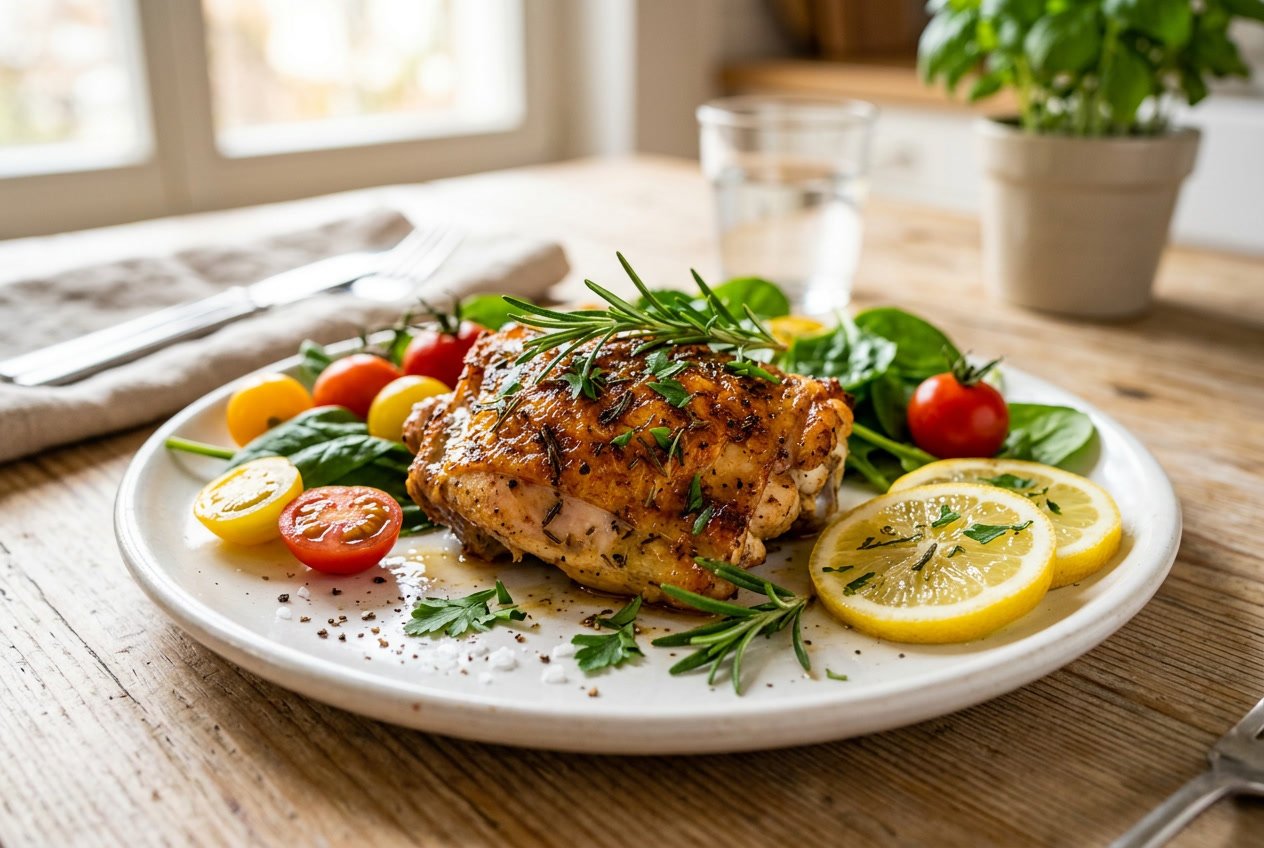
Chicken thighs deliver concentrated nutrients and provide steady protein for repair and maintenance. They supply iron and zinc that support several body processes.
Their fat content gives flavor and helps absorb fat-soluble vitamins when you include them in balanced meals.
Protein for Muscle and Bone Health
A typical 4‑ounce cooked boneless, skinless chicken thigh supplies about 25–32 grams of high-quality protein, depending on cooking loss. That protein contains all essential amino acids, including leucine, which stimulates muscle protein synthesis and helps preserve lean mass as you age.
Adequate daily protein supports bone structure by promoting collagen production and helping maintain muscle that protects joints. If you train or recover from injury, the thigh’s protein helps rebuild fibers and replenish connective tissues.
Choose skinless thighs or control added fats to meet protein goals without excess calories.
Satiety and Portion Control
The combination of protein and moderate fat in chicken thighs increases meal satisfaction and slows gastric emptying. You feel fuller longer after a thigh-based meal than after a comparable-calorie carbohydrate snack, which can reduce overall calorie intake across the day.
Use portioning strategies: a 3–4 ounce cooked thigh is a practical serving that delivers substantial protein without excessive fat. Pair it with high-fiber vegetables and whole grains to further extend satiety and improve glycemic response.
Cooking methods matter. Grilling, baking, or broiling minimize added fats compared with frying.
Role in Immune Function
Chicken thighs supply micronutrients that directly support immune processes, notably zinc, iron, and B vitamins (including niacin and B12). Zinc is essential for white blood cell activity and wound healing, while iron carries oxygen to immune tissues and supports cellular energy.
B vitamins in thighs help maintain mucosal barriers and support cellular metabolism needed during immune responses. Select skinless thighs and combine them with vitamin C–rich vegetables to improve iron absorption.
The Role of Fats in Chicken Thighs
Chicken thighs contain a mix of fats that affect flavor, calories, and health. Removing the skin cuts total and saturated fat substantially while preserving most protein and micronutrients.
Monounsaturated and Polyunsaturated Fats
Most of the fat in a typical cooked chicken thigh comes from monounsaturated and polyunsaturated fats. These fats help replace dietary saturated fat when you choose them over higher-saturated-fat foods, which can lower LDL cholesterol when part of an overall healthy diet.
Monounsaturated fat like oleic acid supports heart health markers and is present in both the meat and some of the thin fat layers under the skin. Polyunsaturated fats include omega-6s and small amounts of omega-3s; they serve structural roles for cells and are essential nutrients you must obtain from food.
If you favor skinless chicken thighs, you keep most of the monounsaturated and polyunsaturated fats while reducing added calories from skin fat.
Saturated Fat Content and Impact
Saturated fat in chicken thighs concentrates more in the skin and in lesser amounts within the meat. A 3–4 ounce cooked skinless thigh typically contains noticeably less saturated fat than the same cut with skin on.
Saturated fat raises LDL cholesterol more than unsaturated fats do. Limiting portions and removing skin lowers your saturated intake without eliminating the thigh’s nutritional benefits.
If you monitor saturated fat for heart-health reasons, choose skinless thighs, trim visible fat, and use cooking methods like grilling or baking that let fat drain away.
Comparing Fat Types to Other Cuts
Compared to a skinless chicken breast, a skinless thigh carries more total fat per ounce, but much of that fat is monounsaturated and polyunsaturated. That difference typically equals a few grams of additional total fat and a small rise in calories per serving.
With skin on, thighs can contain substantially more saturated fat than breasts. Removing skin narrows that gap and keeps the thigh’s richer flavor and higher iron and zinc content.
Choose breast when minimizing fat and calories matters most. Choose skinless thigh when you want more flavor and a modest increase in healthier fats.
Chicken Thighs vs. Chicken Breasts
Both cuts deliver high-quality protein, but they differ in calories, fat, micronutrients, taste, and cost. Choose breasts when you need lean protein and lower calories. Choose thighs when you want richer flavor, more iron and zinc, and cooking forgiveness.
Nutritional Differences
Chicken breasts (boneless, skinless) provide more protein per ounce and fewer calories and total fat than boneless skinless chicken thigh. For a 3-ounce cooked portion, expect roughly 25 g protein and about 130–140 calories from breast versus about 20–22 g protein and 160–170 calories from a thigh.
Thighs contain roughly 3–4 g more total fat per serving, including slightly higher saturated fat, which raises calories but also improves mouthfeel. They supply more iron and zinc per serving, which can matter if you monitor those minerals.
If you remove skin, both become leaner. Skinless thighs still have more fat than skinless breasts but narrow the gap.
Pick breasts for strict calorie or saturated-fat targets. Choose thighs when modestly higher fat and extra micronutrients fit your goals.
Flavor, Texture, and Culinary Uses
Chicken thighs come from darker, more exercised muscle, so they taste richer and stay moist during long cooking. You can braise, roast, grill, or slow-cook thighs without as much risk of drying.
Boneless skinless chicken thigh works well in stews, curries, and tacos where texture and fat improve mouthfeel. Chicken breasts have milder flavor and a firmer, drier texture if overcooked.
They absorb marinades and are ideal for quick methods like sautéing, poaching, or grilling when you want lean protein in salads, stir-fries, or sandwiches.
Use thighs for dishes that benefit from deeper flavor and moisture. Use breasts when you need a neutral canvas that takes on sauces and seasonings while keeping calories low.
Cost and Accessibility
Thighs generally cost less per pound than breasts in many markets, making them a budget-friendly protein option. Supermarkets and bulk retailers commonly sell boneless skinless chicken thigh in value packs, which can lower meal cost further.
Breasts often appear in promotional sales but usually trend slightly higher due to consumer demand for lean cuts. Both cuts are widely available fresh, frozen, and in pre-marinated or portioned forms.
If you cook for a family or batch-cook for the week, thighs give better yield-to-cost and tolerate reheating better. Choose breasts if cutting fat and calories matters more than cost.
Healthy Cooking Methods for Chicken Thighs
Use techniques that limit added fat and excess sodium while keeping thighs juicy and flavorful. Focus on cooking temperature, minimal oil, and simple seasonings so the meat retains protein and nutrients.
Baking, Grilling, and Roasting
Baking, grilling, and roasting give you crisp edges and deep flavor without needing much added fat. For skinless chicken thighs, bake at 400°F (200°C) for 20–25 minutes or until internal temperature reaches 165°F (74°C).
This yields firm, moist meat without extra oil. Grill over medium-high heat for 6–8 minutes per side, using a thermometer to avoid overcooking.
Roast whole thighs on a rimmed sheet with vegetables to concentrate flavors. Toss the pan with a tablespoon of olive oil or use a nonstick spray to reduce calories.
Finish under the broiler for 1–2 minutes if you want browning. Let thighs rest 5 minutes before cutting to preserve juices.
Reducing Unhealthy Additions
Limit added saturated fat and sodium to keep thighs healthier. Choose skinless chicken thighs to cut total and saturated fat; trimming visible fat before cooking further lowers calories.
Replace butter, heavy cream, and high-sugar sauces with olive oil, low-sodium broth, yogurt-based sauces, or citrus and vinegar-based glazes. Season with herbs, spices, garlic, and lemon instead of large amounts of table salt.
Use cooking methods like poaching or steaming when you need very low-fat preparation. Poach in low-sodium broth for 12–15 minutes for tender results.
Balancing Meals with Vegetables and Grains
Pair thighs with fiber-rich vegetables and whole grains to create balanced plates. Combine 3–4 ounces of cooked skinless thigh with 1 cup of steamed broccoli and 3/4 cup of cooked quinoa for protein, fiber, and sustained energy.
Roast a mix of root vegetables alongside thighs to absorb juices without adding sauces. Use whole-grain side options like brown rice, farro, or barley to increase complex carbohydrates and micronutrients.
Aim for half your plate to be vegetables, one-quarter protein (thighs), and one-quarter whole grains to control portions and support a nutrient-dense meal.
Chicken Thighs in Weight Management and Special Diets
Chicken thighs provide concentrated protein, some healthy fats, and nutrients like iron and B vitamins. You can adjust portion size and cooking method to fit calorie or macronutrient goals without sacrificing flavor.
Are Chicken Thighs Good for Weight Loss?
You can include boneless skinless chicken thighs in a weight-loss plan because they deliver about 20 g of protein per 3-ounce cooked serving, which supports muscle maintenance and satiety. Protein-rich meals help reduce hunger between meals, so choosing a measured serving of thighs can lower overall daily calories.
Prefer skinless thighs and use grilling, baking, or stir-frying with minimal oil to keep calories moderate. Track portion size: 3–4 ounces cooked (roughly 1 small thigh) is a practical single-serve target.
Pair thighs with nonstarchy vegetables and a whole grain to increase bulk without many extra calories.
Suitability for Various Diet Plans
Chicken thighs suit low-carb and keto diets because they have negligible carbs and more fat than breast meat. This higher fat content helps meet keto fat needs.
If you follow a calorie-counting or higher-protein plan, choose skinless thighs to lower fat while keeping protein high.
For Mediterranean-style or balanced diets, cook thighs with olive oil and vegetables. This method provides monounsaturated fats and fiber.
If you want a heart-healthy meal, remove the skin and avoid heavy creams or fried preparations to limit saturated fat.
To control sodium, prepare thighs with herbs, citrus, and spices instead of salt-heavy sauces.


