
How Are Chicken Thighs: Complete Guide to Cooking & Selection
You want to know what chicken thighs are and why they often outshine other cuts. Chicken thighs are the dark-meat portion of the bird located above the drumstick. They contain more fat and connective tissue than breasts, which gives them richer flavor and greater forgiveness during cooking.
Because of that fat and connective tissue, thighs stay juicier and develop deeper flavor even if you cook them a little longer. This makes them ideal for pan-searing, roasting, braising, grilling, and frying.
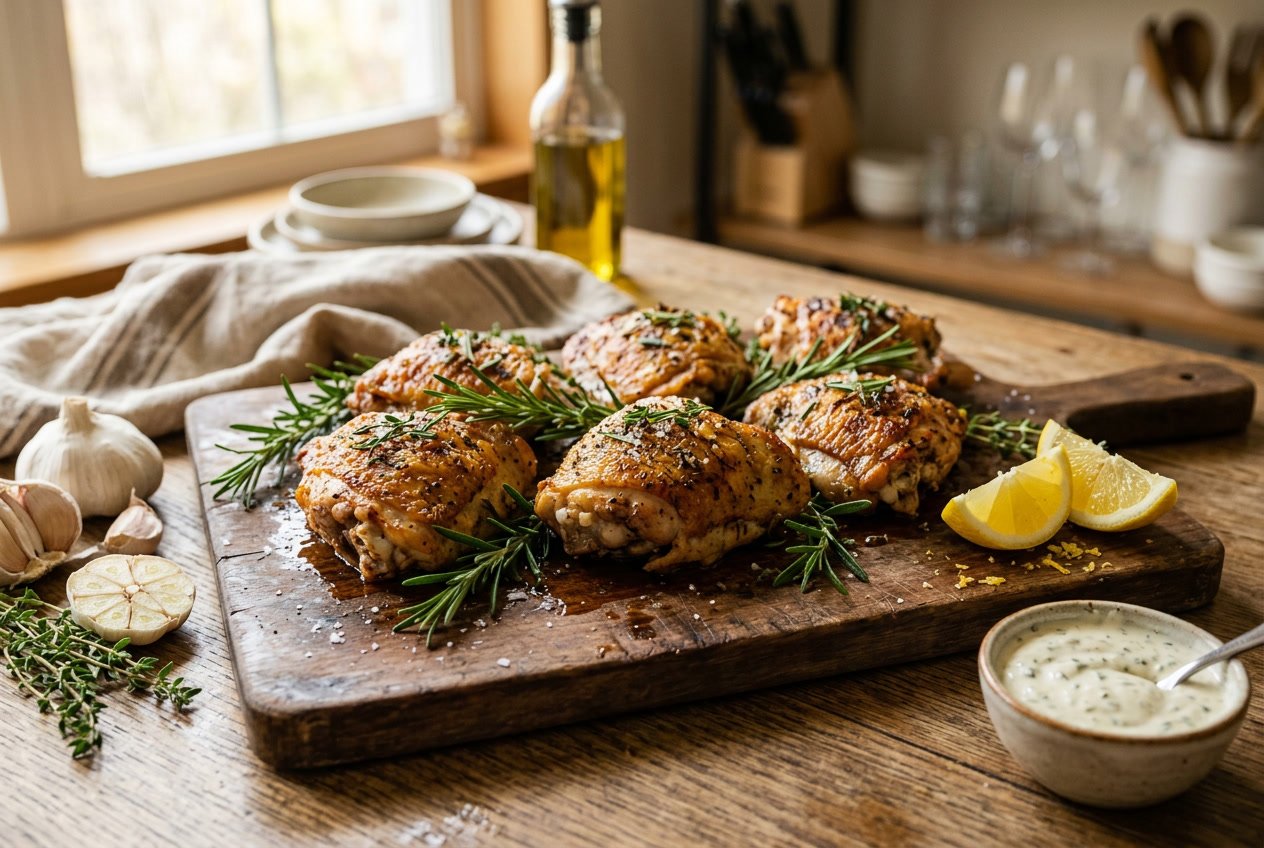
This post explains the practical differences between bone-in and boneless, skin-on and skinless thighs. You’ll also learn how to choose the best ones at the store, and the cooking principles that deliver tender meat and crisp skin every time.
You’ll learn simple prep, safe target temperatures, and method-specific tips so you can pick the right cut and technique for quick weeknight dinners or slow, flavor-forward meals.
Understanding Chicken Thighs
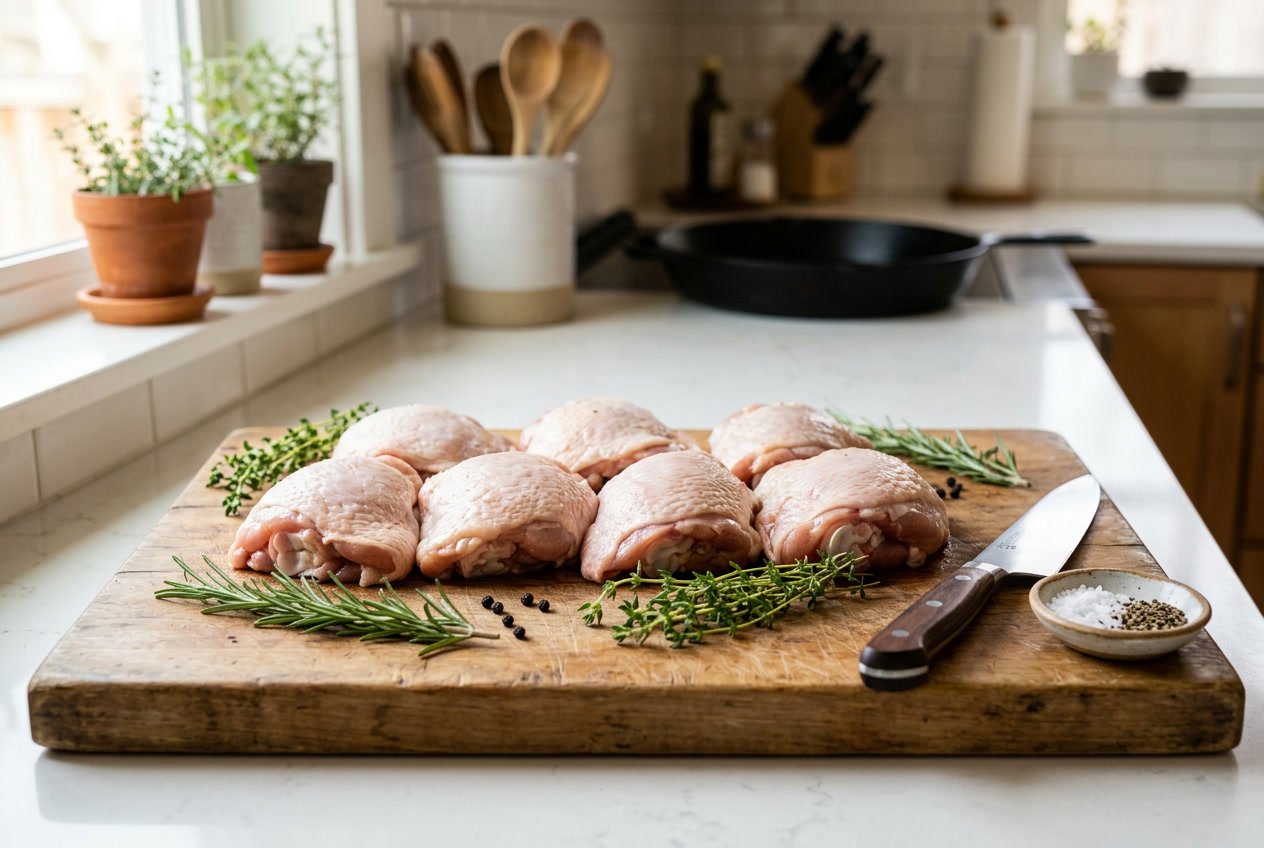
Chicken thighs are the upper part of the leg, rich in flavor and moisture. The cut includes dark meat, connective tissue, and intramuscular fat.
A chicken thigh sits between the hip and the knee joint. It can be sold bone-in or boneless, skin-on or skinless, and may appear attached to the drumstick when sold as a whole leg.
You handle thighs differently depending on the cut. Bone-in thighs need longer cooking for even heat. Boneless thighs cook faster and are easier to slice.
Skin-on thighs give a crisp exterior when roasted or pan-seared. Skinless thighs reduce fat and crispness.
Thighs include connective tissue and some intramuscular fat, which keeps the meat tender during moist-heat and dry-heat methods. They work well in braises, grills, and quick sautés.
Dark Meat vs. White Meat
Dark meat comes from muscles used more frequently for standing and walking. Thigh muscles have more myoglobin and fat than breast muscles, which creates a darker color and more pronounced flavor.
Thighs stay juicier when reheated or cooked longer because of that higher fat and collagen content. White meat such as breast loses moisture faster and can become dry under prolonged heat.
Flavor profiles differ. Thighs offer richer, deeper savory notes that pair well with robust spices, braising liquids, and marinades. White meat pairs better with light preparations and delicate sauces.
Nutritional Benefits of Chicken Thighs
Chicken thighs provide high-quality protein—around 20–25 g per 3-ounce cooked portion depending on bone and skin status. You get more iron and zinc from thighs than from comparable portions of breast meat.
A skinless thigh contains roughly 9–10 g of fat per 3-ounce serving, including monounsaturated and saturated fats. Keeping the skin off reduces total fat and calories.
Thighs also supply B vitamins (notably B3 and B6) and selenium, which support energy metabolism and antioxidant defenses. If you monitor calories and fat, choose cooking methods like roasting, grilling, or braising and trim visible fat.
You can keep the flavor advantage of dark meat while managing nutrient intake to fit your dietary goals.
Types and Cuts of Chicken Thighs
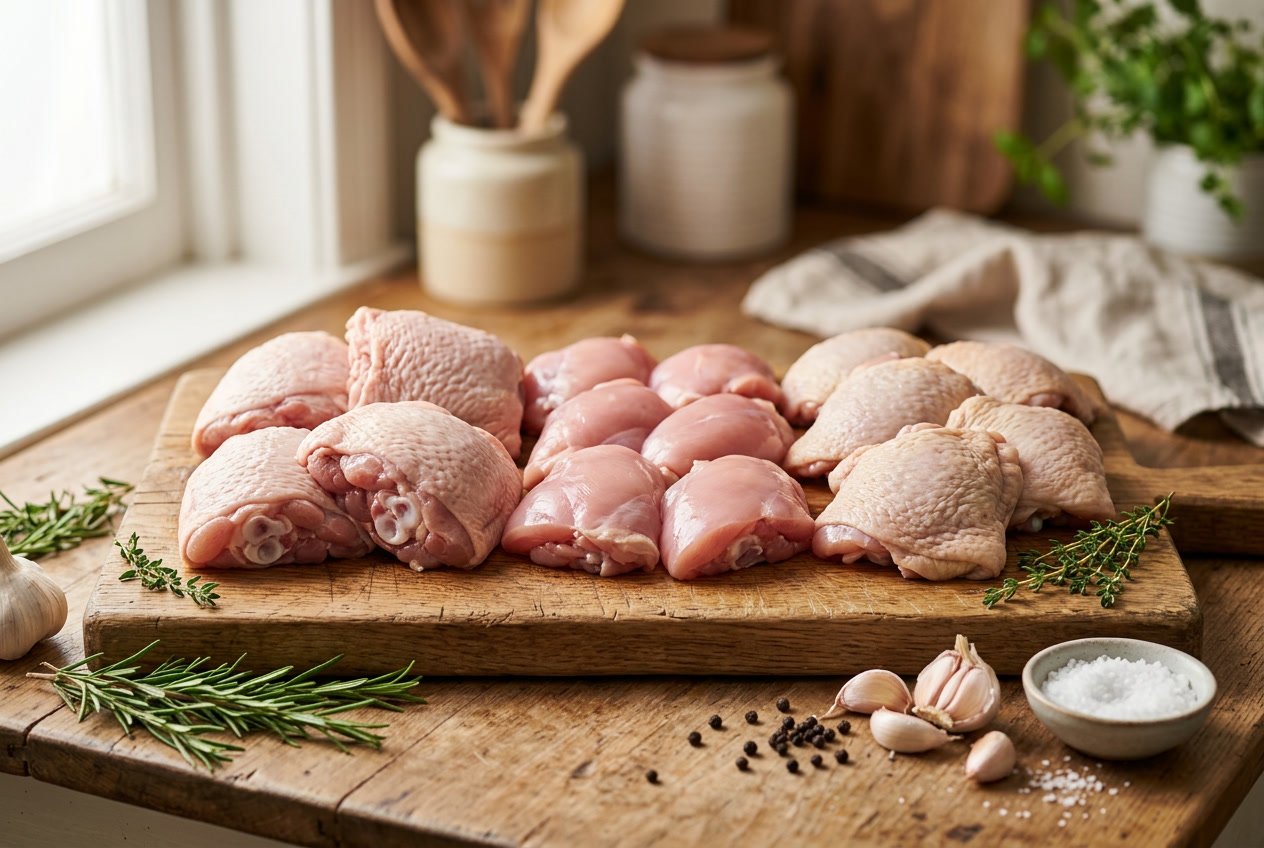
You’ll choose thighs based on texture, cooking method, and convenience. Fat content, bone presence, and skin determine flavor, cook time, and how forgiving the piece is during cooking.
Bone-In Chicken Thighs
Bone-in chicken thighs include the femur segment and usually more connective tissue than boneless pieces. The bone slows heat transfer, which lengthens cook time but helps the meat stay moist and develop deeper flavor as collagen converts to gelatin at higher internal temps.
Use bone-in thighs for braises, roasting, and grilling where a longer cook yields silkier texture. Expect 35–45 minutes at 400°F in the oven for bone-in, skin-on pieces, or 20–30 minutes pressure cooking with natural release for fall-apart results.
Check doneness with an instant-read thermometer inserted near the bone; aim for 175°F–185°F for maximum tenderness. If you want crisp skin after slow methods, finish under a broiler for 3–5 minutes.
Boneless Chicken Thighs
Boneless chicken thighs have the bone removed and are often sold skin-on or skinless. They cook faster and more evenly, making them ideal for stir-fries, pan-searing, and weeknight grilling.
Because they contain less connective tissue, pull boneless thighs at a lower temperature—around 165°F–170°F—to avoid drying. Expect 20–25 minutes at 400°F in the oven for skinless pieces, or 6–8 minutes per side on a hot skillet for skin-on boneless thighs.
Boneless thighs also work well with marinades and quick brines. Trim excess fat and butterfly thicker pieces for uniform thickness before cooking.
Skin-On vs. Skinless Chicken Thighs
Skin-on chicken thighs deliver richer flavor and a textural contrast when you crisp the skin. The skin contains fat that bastes the meat during cooking, so you get juicier results and a savory, browned exterior.
Skinless thighs remove that layer of fat, shortening cook time and reducing calories. They work best where you want sauce absorption or a consistent sear without worrying about flare-ups from dripping fat on the grill.
Quick comparison:
-
Skin-on: Best for roasting, grilling, and pan-searing; requires drying and salt ahead for crispness.
-
Skinless: Best for curries, braises, and fast-cook methods; marinate to boost flavor.
If you want crisp skin after slow cooking, transfer skin-on thighs to a hot skillet or broiler for a few minutes to re-crisp.
How to Select, Prepare, and Store Chicken Thighs
Choose thighs that look fresh, smell neutral, and feel firm. Know whether bone-in/skin-on or boneless/skinless suits your recipe, and plan storage or thawing before cooking.
Selecting Quality Chicken Thighs
Look for thighs with pale pink flesh and minimal discoloration. The skin should be intact and slightly glossy.
Avoid any slimy texture or sour odor, which indicate spoilage. Decide between bone-in, skin-on for juiciness and crisp skin, or boneless, skinless for faster, uniform cooking.
Check packaging dates and prefer “sell-by” or “use-by” that give you at least a day or two of flexibility. If buying frozen, confirm there’s no heavy ice glaze or freezer burn.
If buying organic or labeled antibiotic-free, expect a slightly higher price and similar cooking methods. For portion planning, count roughly 1 to 1.5 thighs per adult depending on appetite and side dishes.
Prepping Chicken Thighs for Cooking
Thaw chicken thighs in the fridge for 24 hours per 1–2 pounds. Avoid room-temperature thawing to reduce bacterial growth.
Pat thighs thoroughly with paper towels to remove surface moisture. This helps skin crisp and prevents steaming in the pan.
Trim excess fat and loose skin if you prefer leaner pieces. Loosen the skin to slip seasoning under it for deeper flavor.
Use a simple rub of salt, pepper, garlic powder, and paprika, or marinate 30 minutes to overnight for more pronounced flavor. Acidic marinades (vinegar, lemon) should be limited to a few hours to avoid mushy texture.
Always use separate cutting boards and utensils for raw poultry. Wash hands and sanitize surfaces after handling raw thighs to prevent cross-contamination.
Safe Storage and Handling
Refrigerate raw thighs at 40°F (4°C) or below and use within 1–2 days. Store on the bottom shelf in a sealed container or on a plate to catch drips and prevent contamination of other foods.
Freeze for longer storage by wrapping tightly in plastic wrap and placing in a freezer bag, or use vacuum sealing. Frozen thighs keep best for up to 9 months for quality.
When reheating cooked thighs, bring internal temperature to 165°F (74°C). Discard any cooked or raw thighs left at room temperature over two hours (one hour if above 90°F/32°C).
Use a meat thermometer to confirm temps rather than relying on color alone.
Chicken Thighs Cooking Fundamentals
Master three basics: target internal temperature for safety and texture, seasonings that highlight the thigh’s rich flavor, and the proper way to use an instant-read thermometer.
Ideal Internal Temperature
Chicken thighs are safe at 165°F, but you should aim higher for best texture. For boneless thighs, pull at 165°F–170°F to keep juices and avoid overcooking.
For bone-in, skin-on thighs, aim for 175°F–185°F. That higher range converts collagen into gelatin and yields silkier, more tender meat.
Grilling with high direct heat needs shorter cook time and frequent checks. Oven roasting at 400°F requires longer but steadier heat.
Rest thighs 5–10 minutes after removing from heat so carryover cooking raises internal temp 2–5°F and juices redistribute. Always check the thickest part, avoiding bone contact.
Essential Seasonings for Chicken Thighs
Seasonings should contrast the thigh’s fattiness and build a brown, flavorful crust. Start with kosher salt and freshly cracked black pepper as a base.
Salt ahead of time for at least 1 hour or overnight in the fridge to improve moisture retention. Add paprika for color and mild smokiness—use sweet or smoked paprika depending on your goal.
Round out the profile with dried or fresh herbs. Oregano gives bright, slightly bitter notes; thyme adds savory, almost lemony depth.
For marinades, include a splash of acid (lemon juice or vinegar) and 1–2 tablespoons of olive oil per pound to help carry flavors without breaking the meat down. Lightly dusting skin with baking powder (not baking soda) helps crispness if you plan to roast or air-fry.
Using an Instant-Read Thermometer
An instant-read thermometer gives reliable readings in seconds and prevents guesswork. Insert the probe into the thickest part of the thigh, perpendicular to the bone, and avoid touching bone.
For bone-in pieces, angle toward the center of the meat but not into the bone cavity. Calibrate your thermometer periodically in ice water (should read 32°F) and boiling water (should read 212°F at sea level).
Take multiple readings if pieces vary in size—check the thickest and a representative smaller piece. Read the display quickly; don’t hold the meat over heat waiting for a stabilized number.
Use the thermometer to confirm doneness, then rest the thighs so internal temperature evens out and juices settle.
Popular Cooking Methods for Chicken Thighs
You can get crispy skin, deep char, or fall-apart tenderness depending on the method and internal temperature you choose. Focus on surface dryness, appropriate heat, and final pull temperature for the texture you want.
How to Bake Chicken Thighs
Baking gives you consistent cooking for multiple pieces at once. Preheat your oven to 400–425°F, pat thighs thoroughly dry, and season or marinate as desired.
Arrange skin-side up on a wire rack set over a rimmed sheet pan so air circulates and fat drips away. This avoids steaming the skin and helps achieve roasted, golden skin.
Bone-in, skin-on thighs generally take 35–45 minutes at 400°F. Boneless take about 20–25 minutes.
Use an instant-read thermometer: pull boneless at 165°F, pull bone-in around 175°F for tender, gelatin-rich meat.
How to Grill Chicken Thighs
Grilling adds smoke and attractive char. For bone-in thighs, set a two-zone fire.
Sear skin-side down over direct high heat for 5–6 minutes, then move to indirect heat, cover, and cook another 20–25 minutes until 175°F. For boneless thighs, grill over medium-high heat for 5–7 minutes per side until 165°F.
Watch for flare-ups from dripping fat and keep thighs spaced so heat circulates. Brush with sauce in the last few minutes to avoid burning.
Rest 5 minutes before serving to let juices redistribute.
How to Fry and Air Fry Chicken Thighs
Pan-frying and deep-frying produce a fast, crispy exterior. For pan-sear, start skin-side down in a cold or medium-hot skillet to render fat slowly, then finish in the oven or flip to finish cooking.
For deep-fry, maintain oil at 350–375°F and fry until internal temp reaches the safe target. Breading helps retain moisture.
Air frying mimics convection roasting with less oil. Pat thighs dry and don’t overlap.
Air fry at 400°F—boneless 16–20 minutes, bone-in 22–28 minutes—flipping halfway for even browning. A light dusting of baking powder in the dry rub can help raise the skin’s pH and speed crisping.
How to Braise and Slow Cook Chicken Thighs
Braising and slow cooking focus on tenderness and flavor infusion. Brown thighs first to build flavor, then simmer them in a flavorful liquid like stock, wine, or tomatoes at low heat.
Braise on the stove or in a 300°F oven for 45–90 minutes. Use a slow cooker on low for 6–7 hours or high for 3–4 hours.
These methods break down collagen into gelatin. Pull bone-in thighs at higher temps (175–185°F) for a silky texture.
Finish under a broiler or in a hot skillet if you want a bit of surface color after slow cooking. Braised chicken thighs work well in sauces, tacos, and shredded dishes.
Mastering Crispy Chicken Thighs
Dry the skin thoroughly and use salt, high heat, and space to get crisp skin. Choose bone-in, skin-on thighs and monitor internal temperature to keep meat juicy while the skin crisps.
Techniques for Crispy Chicken Skin
Pat each skin-on chicken thigh completely dry with paper towels. Remove any visible moisture from crevices.
Salt the skin generously with kosher salt at least 15–30 minutes before cooking to draw out surface moisture and season through the skin. Lightly coat the skin with a thin film of oil, such as neutral oil or olive oil, to help heat transfer and browning.
Avoid crowding: place thighs skin-side up with at least 1 inch between pieces so air circulates and steam doesn’t form. For extra flavor, gently loosen the skin and rub a little seasoning or oil under it to season the meat without wetting the exterior.
Use bone-in thighs for richer flavor and a more stable internal temperature while achieving crispy skin.
Oven and Broiler Tips
Preheat the oven to 425°F (220°C) for crispy baked chicken thighs. This temperature renders fat under the skin without drying the meat.
Use a wire rack set over a baking sheet so fat drips away and hot air circulates around the skin. Place thighs skin-side up and bake 35–40 minutes depending on size.
Check internal temperature with a probe at the thickest part. Pull at 160°F and rest to finish if you prefer less carryover cooking.
If skin needs extra color, finish under a hot broiler for 1–3 minutes, watching constantly to avoid burning. Move the tray higher in the oven for broiling and leave the door slightly ajar only if your oven manual recommends it.
Pan-Searing for the Best Texture
Heat a heavy skillet, preferably cast iron, over medium-high heat until shimmering. Add a thin layer of oil and place thighs skin-side down.
Press lightly so skin contacts the pan evenly. Leave the thighs undisturbed for 7–9 minutes to develop an even, golden crust.
When the skin is deeply browned, flip briefly to sear the other side. Transfer the skillet to a preheated 400°F (200°C) oven to finish cooking through.
After removing from the oven, rest the thighs 5 minutes so juices redistribute and the skin stays crisp. For stovetop-only, reduce heat after searing and cover briefly to finish, but expect slightly less crispness than the oven-finished method.
Favorite Chicken Thigh Recipes
These recipes highlight reliable techniques, bold but simple seasonings, and practical cook times. Choose the right method for your pantry and schedule.
Classic Baked Chicken Thigh Recipes
Baked chicken thigh recipes reward patience with crisp skin and tender meat. Pat thighs dry, salt them at least 30 minutes before baking or up to 24 hours refrigerated for deeper seasoning.
Roast skin-side up at 400–425°F (200–220°C) until internal temperature reaches 165°F (74°C). Use a wire rack on a sheet pan to keep air circulating around the thighs for even browning.
Rub with olive oil, garlic, lemon zest, and smoked paprika for a Mediterranean profile. Try soy, honey, and ginger for an Asian glaze.
Boneless thighs cut cook time by roughly half and work well with pan sauces. If you want crispy skin and no fuss, start in a hot skillet skin-side down for 6–8 minutes to render fat, then finish in the oven.
Grilled and Braised Chicken Thighs
Grilling gives chicken thighs char and smoky flavor quickly. Grill bone-in thighs over direct medium-high heat for 6–8 minutes per side, then move to indirect heat until done.
Brush with a sweet-spicy sauce like gochujang plus maple or a char siu-style glaze toward the end to avoid burning. Use an instant-read thermometer to avoid overcooking.
Braising suits tougher preparations and one-pot meals. Brown thighs first, then braise in liquids such as beer, white wine with olives and capers, or a tomato-onion base for 30–45 minutes until fork-tender.
Serve braised chicken with the sauce over rice or orzo for a full weeknight dinner that reheats well.
Quick Weeknight Dinner Ideas
Choose boneless skin-on or skinless thighs that cook in 12–20 minutes for fast weeknight dinner solutions.
Stir-fry chunks with garlic, bell pepper, and cashews to create a spicy-sweet skillet meal.
Keep cleanup simple with sheet-pan dinners. Toss thighs with baby potatoes, carrots, and a herb-lemon dressing, then roast until everything caramelizes.
Use an Instant Pot to make shredded chicken thigh recipes. Pressure-cook with salsa or adobo for 8–12 minutes and shred for tacos or bowls.
Use leftovers as sandwich fillings or toss them into pasta. You can also reheat them over steamed rice to stretch a single batch into several meals.


