
Don’t Like Chicken Thighs? Everything You Need to Know and Alternative Options
You don’t have to force yourself to like chicken thighs. Many people prefer leaner, milder cuts or want less grease and fewer bones on their plate.
If the texture, stronger flavor, higher fat content, or the hassle of bones and longer cooking times put you off, those are valid reasons. There are practical ways to address or avoid them.

This post explores why thighs can feel unappealing compared with breasts. You’ll find simple swaps or techniques that let you enjoy chicken without compromising your preferences.
Expect clear comparisons, cooking fixes that actually work, and alternatives that keep meals satisfying without the issues that bother you.
Common Reasons People Don’t Like Chicken Thighs
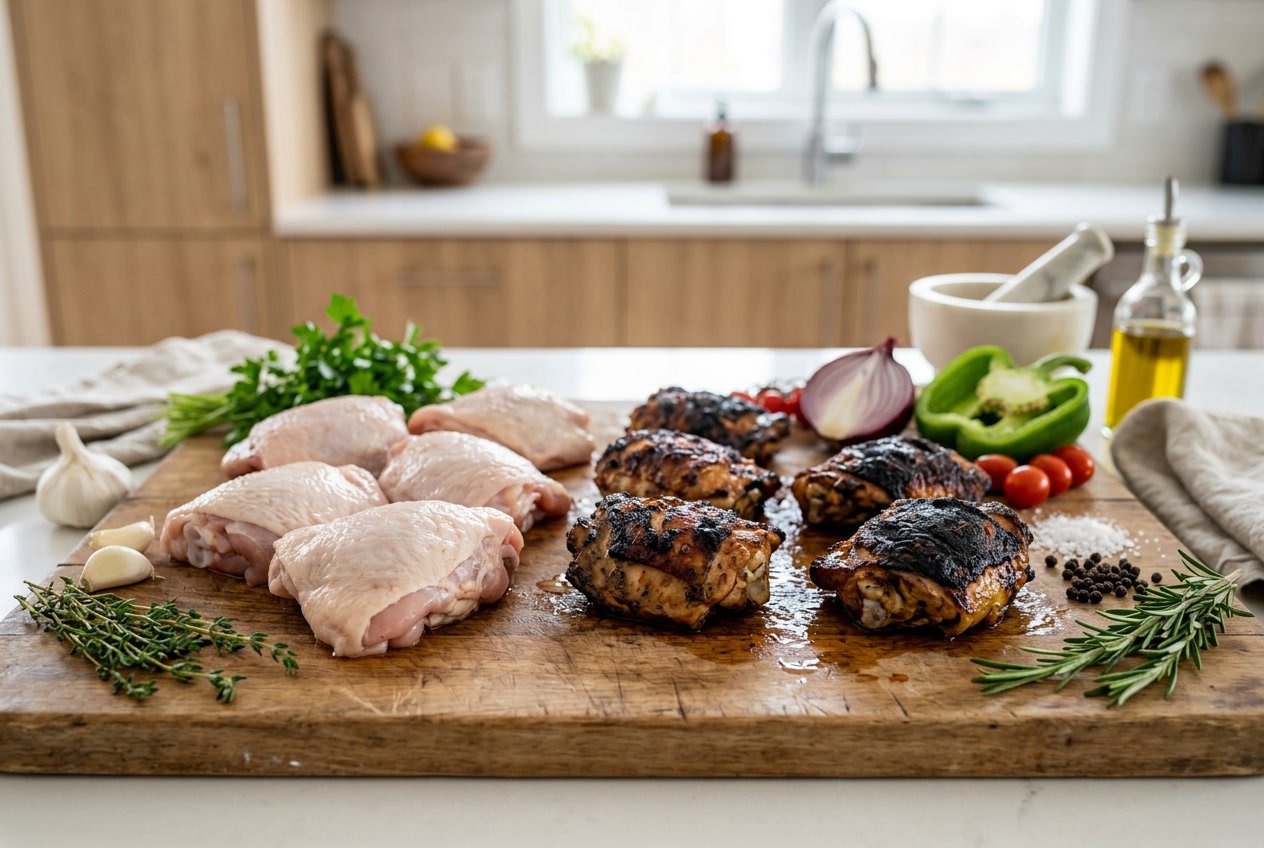
People often reject thighs for texture, flavor, visible fat, or beliefs about “dark meat.” These factors come from cooking technique, personal taste, and how thighs are presented in stores and restaurants.
Texture and Mouthfeel Issues
Chicken thighs feel rubbery or gelatinous when collagen hasn’t broken down. Undercooked thighs feel tight and springy, while overcooked ones become stringy or dry in parts.
Uneven heat or inappropriate cooking times cause both outcomes. Skin-on chicken thighs add a contrasting crunch when cooked properly, but soggy skin leads to an off mouthfeel.
Bone-in pieces can yield variable textures near the bone versus the outer meat, which some people interpret as inconsistent or unpleasant. If you dislike the texture, try longer, lower-temperature methods like braising or slow roasting, or use a high-heat sear to render fat and crisp skin.
Proper resting and slicing against the grain also improve bite and reduce perceived chewiness.
Flavor Profiles and Preferences
Dark meat carries a stronger, meatier flavor than breast. You may find it too intense.
Marinades, acidic brines, or bold spice rubs can clash with that deeper taste instead of balancing it. Skin-on chicken thighs concentrate flavor because the skin holds caramelized fats and seasonings.
If you prefer neutral-tasting protein, thighs will taste “richer” or more savory than white meat. This can feel overpowering in light dishes or salads.
Your food culture and familiarity shape preference. If you grew up on lean white meat, the umami and iron-like notes of thighs can register as unfamiliar or heavy.
Fat Content and Appearance
Thighs contain more intramuscular fat than breasts, which affects both nutrition and appearance. You may see visible fat or glistening skin and interpret that as greasy or unhealthy.
Cooking technique changes perception. Rendered fat under crisped skin looks appetizing to some and off-putting to others.
If you judge meat by a lean visual standard, thighs will fail that test even when they’re properly cooked and not overly greasy. Fat contributes to juiciness and flavor but also raises concerns about calories and satiety.
If you want less visible fat, remove skin before cooking or trim excess. You’ll lose some flavor and the benefit of crispy chicken skin.
Dark Meat Misconceptions
Many people believe “fat = bad” or that dark meat is less healthy than white meat. These beliefs persist in marketing and dieting culture and can bias your choices before you taste the meat.
Thighs provide similar protein with more iron and B vitamins. They’re not inherently unhealthy when part of a balanced meal.
Still, perception matters. Darker color and richer taste get labeled as “unhealthy” or “dirty” in some food narratives.
Cultural availability influences opinion. If local shops mainly stock breasts, you lack exposure to well-prepared thighs, reinforcing misconceptions.
Chicken Thighs vs. Chicken Breasts

You’ll find clear contrasts in meat color, fat content, and how each cut behaves when cooked. These differences affect flavor, nutrition, and which recipes suit thighs or breasts best.
Comparing White and Dark Meat
White meat comes from the chicken breast and leg muscles used less for sustained activity. It has lower myoglobin, which makes the meat paler and gives a milder flavor and firmer texture.
Dark meat comes from chicken thighs and contains more myoglobin and connective tissue. That makes it richer in flavor, more forgiving to cook, and naturally juicier because of higher intramuscular fat.
If you prefer lean, neutral-flavored protein for quick-cooking methods, choose breasts. If you want depth of flavor and resilience to longer cooking, choose thighs.
Nutritional Differences
Per 100 g cooked, skinless chicken breasts typically contain more protein and fewer calories and total fat than skinless thighs. Breasts often provide about 31 g protein and 165 kcal, while thighs provide about 25 g protein and 179 kcal, though values vary by source and preparation.
Thighs contain more iron, zinc, and vitamin B12 per gram. Breasts offer slightly higher vitamin B6 and choline in some analyses.
The skin and cooking method change totals substantially. Leaving skin on or frying raises saturated fat and calories by roughly 25–30%. For lower fat, remove skin and grill, bake, or roast.
Cooking Methods and Outcomes
Breasts dry out faster because they have less fat and connective tissue. Quick, high-heat methods like grilling, pan-searing, or stir-frying work best if you watch internal temperature (about 165°F/74°C) and rest meat briefly.
Thighs tolerate longer, slower methods such as braising or roasting at moderate temperature because connective tissue breaks down into gelatin. That yields tender, moist results even if you cook past the point that would dry a breast.
Use these practical rules:
- For breasts: brine briefly, cook quickly, and slice across the grain.
- For thighs: cook through to render fat, or sear then finish slowly for best flavor and texture.
Cooking Mistakes That Impact Chicken Thigh Enjoyment
Mistakes that ruin texture and flavor usually come down to timing, pan management, and how you treat the skin. Fix those three and you’ll transform dry or rubbery thighs into juicy, flavorful portions with crisp skin.
Overcooking or Undercooking
You must target the right internal temperature and allow connective tissue to break down. Use a reliable meat thermometer and check at the thickest part near the bone.
Pull bone-in thighs when they reach about 175–185°F for tender, juicy meat. Dark meat tolerates higher temps than breast without drying out.
Undercooked thighs pose a safety risk and feel gummy. They often result from relying on time alone.
Plan for 35–45 minutes in a 350°F oven for bone-in thighs, or 20–30 minutes for boneless. Pan-seared thighs generally need 10–15 minutes total, depending on size. Sear skin-side first, then finish over moderate heat.
Rest the thighs 5–10 minutes after cooking to let juices redistribute. Cutting too soon makes the meat look done but leak flavorful juices onto the cutting board.
Crowding the Pan
Crowding prevents browning and causes steaming, which softens skin and masks flavor. Leave at least 1–2 inches between pieces so air circulates and moisture can evaporate.
Cook in batches if necessary. A hot pan with fewer thighs yields crispier skin and better Maillard reaction.
Monitor pan temperature. Adding many cold thighs drops heat and prolongs cooking, increasing the chance of uneven doneness.
If you must cook multiple batches, keep finished thighs on a wire rack in a low oven (around 200°F) to stay warm without trapping steam. Avoid piling cooked thighs on one plate, as trapped steam will reverse your crisping work within minutes.
Removing or Mishandling the Skin
Skin-on chicken thighs deliver flavor and protect the meat during cooking. Removing skin before cooking strips away fat that bastes the meat and prevents moisture loss.
If you dislike eating the skin, leave it on while cooking and remove it just before serving. Pat skin dry with paper towels and season well, as surface moisture prevents crisping.
For extra crispiness, salt and refrigerate skin-side up for 30–60 minutes to dry the surface. Start skin-side down in a cold pan and heat gradually to render fat without burning.
Treat the skin gently when turning and resting. Poking or pressing forces out juices and makes the meat drier, while covering the pan traps steam and ruins crispness.
Popular Chicken Thigh Recipes and Why Some Dislike Them
You’ll find thighs used in rich curries, straightforward oven roasts, and sticky glazed preparations. Each method highlights the thigh’s fat and flavor but also exposes texture, greasiness, or intensity that some people dislike.
Curry and Stewed Dishes
Chicken thighs appear often in chicken curry, butter chicken, coconut chicken, and adobo because the darker meat stays moist during long simmering. In butter chicken and coconut-based curries, the fat in thighs carries spice and creates a silky mouthfeel.
If you prefer milder textures, that same silkiness can feel heavy or “gamy.” Stewing breaks down collagen, so shredded thigh works well in stews and curries without drawing attention to irregular grain.
Slow-cooked thighs also release rendered fat into the sauce, which can make a curry feel greasy unless you skim or chill and remove excess fat. For boneless chicken thighs, you get the convenience of faster prep without bones, but the richer flavor remains.
Oven-Baked and Roasted Thighs
Baked chicken thighs and oven-roasted preparations give you crisp skin and concentrated flavor when roasted at high heat. You’ll get a crunchy exterior and juicy interior if you start skin-side down, finish skin-up, and roast at 425°F (220°C).
Using a rack reduces pooling fat and helps the skin crisp. People who dislike thighs often point to uneven cooking and grease.
Bone-in thighs take longer and may cook unevenly compared with boneless chicken thighs. That can yield dry edges and underdone pockets.
Removing skin cuts fat by nearly half and reduces greasiness, but also lowers crispness and some of the flavor you expect from roasting.
Sweet and Savory Glazed Thighs
Sweet-and-savory dishes like honey garlic chicken and sweet-and-sour chicken rely on thighs to stand up to strong sauces and high-heat glazing. The thigh’s richness balances sugar and vinegar, so you get a sticky, caramelized coating without over-drying the meat.
Glazes cling better to the slightly fattier surface. That stickiness can bother you if you dislike oily or syrupy textures.
Sauces often mask the thigh’s texture but not its strength of flavor. If you prefer mild chicken, the glaze will amplify the thigh’s savory notes instead of hiding them entirely.
Pan-searing boneless thighs before glazing speeds cooking and reduces rendered fat in the pan. It won’t eliminate the richer taste that some find off-putting.
Tips for Making Chicken Thighs More Enjoyable
Focus on the cut you buy and how you cook it. Small choices—boneless vs. bone-in, leaving skin on or removing it, and using high-heat sears or slow braises—change texture and flavor dramatically.
Choosing Boneless vs. Bone-In Thighs
Pick boneless thighs when you want quick, even cooking and easy slicing for salads, tacos, or stir-fries. Boneless chicken thighs heat through faster than bone-in, so reduce cook time and check internal temperature around 165°F to avoid drying.
Choose bone-in, skin-on chicken thighs when you want deeper flavor and juicier meat. The bone protects against overcooking and the skin crisps to add texture.
Roast at 425°F after a hot pan sear to render fat and get crisp skin without long oven time. If you dislike visible fat, buy boneless skinless thighs.
They still tolerate higher heat than breast and absorb marinades well. For compromise, use skin-on for roasting but remove excess skin or trim fat before serving.
Techniques for Reducing Fat and Improving Texture
Start by patting thighs dry, as moisture prevents browning. For skin-on chicken thighs, sear skin-side down in a hot, dry pan to render fat and crisp skin, then finish in a 375–425°F oven to cook through without stewing in fat.
Trim visible fat from boneless thighs, then marinate in acid (lemon, vinegar, or yogurt) for 30–90 minutes to tenderize and brighten flavor. Acid shortens cook time for boneless chicken thighs and helps them stay juicy.
Use high-heat methods like pan-searing, broiling, or roasting for crisp texture. Choose low-and-slow braising for shreddable tenderness.
Drain or blot excess fat after cooking if you want a leaner final dish.
Tasty Alternatives for Those Who Don’t Like Chicken Thighs
You can keep the flavors you like while swapping textures and fat levels. The options below show how to use leaner cuts, other proteins, and cooking tweaks to avoid greasiness and strong thigh flavor.
Using Chicken Breasts in Thigh Recipes
Chicken breasts offer less fat and a milder taste than thighs. Slice breasts thin for stir-fries and fajitas so they cook quickly and stay tender.
Pound thicker pieces to an even thickness for pan-searing or grilling to prevent dryness. Lower the oven temperature by 25°F and check the internal temperature at 160–165°F to avoid overcooking.
Use marinades with acid, such as lemon, vinegar, or yogurt, to add moisture and flavor. For recipes that use shredded thigh meat, poach breasts gently, then shred and finish in the sauce so they absorb flavor without becoming stringy.
Tips:
- Choose bone-in, skin-on breasts in braises for more juiciness.
- Add a tablespoon of olive oil or butter per pound when baking to mimic thigh richness.
- For breadcrumbed or fried dishes, brine briefly (30–45 minutes) to improve juiciness.
White Meat Substitutes in Popular Dishes
White-meat options beyond breasts can match texture and cooking style in many recipes. Turkey breast and chicken drumsticks provide familiar profiles for roasting and grilling.
For baked chicken thigh recipes, use turkey cutlets or split breasts and keep the same seasoning. Extend cooking time slightly for larger pieces.
Try tofu or tempeh in saucy dishes. Press and marinate them to absorb flavors and bake or pan-sear to develop a browned exterior.
In casseroles, use cooked white fish like cod or haddock for a flaky, mild alternative that pairs well with cream or tomato-based sauces.
Practical seasoning guide:
- Keep spice blends identical and reduce oil by 20–30 percent with white meat.
- For oven dishes, cover with foil for the first two-thirds of baking to retain moisture.
Other Cuts and Protein Options
If texture or fattiness bothers you, try other cuts or proteins that change mouthfeel without losing savory depth. Pork tenderloin and boneless pork chops offer a lean but tender substitution in many recipes that use thighs.
Slice them thin for quick cooking. You can also sear and finish them in the oven for even doneness.
Consider plant-based proteins if you want to avoid poultry flavors entirely. Firm tofu, seitan, and textured vegetable protein work well in stews, curries, and sandwiches.
For one-pan or sheet-pan meals, mix white meat and vegetables with a bold sauce to balance the dish. This approach reduces the prominence of any single protein’s taste.
Quick selection checklist:
- Want lean and mild: boneless chicken breast, turkey breast.
- Want similar richness but different: pork chops, pork tenderloin.
- Want no poultry flavor: tofu, tempeh, seitan, or white fish.


