
Does Marinating Chicken Thighs Work? Key Facts, Methods & Tips
You can get noticeably more flavor and, when done right, a more tender bite from chicken thighs. Marinating works, but its effect depends on the ingredients and how long you let the meat soak.
Use a balanced marinade with salt, oil, and either mild acid or enzymes. Adjust timing to boost flavor without turning the meat mushy.
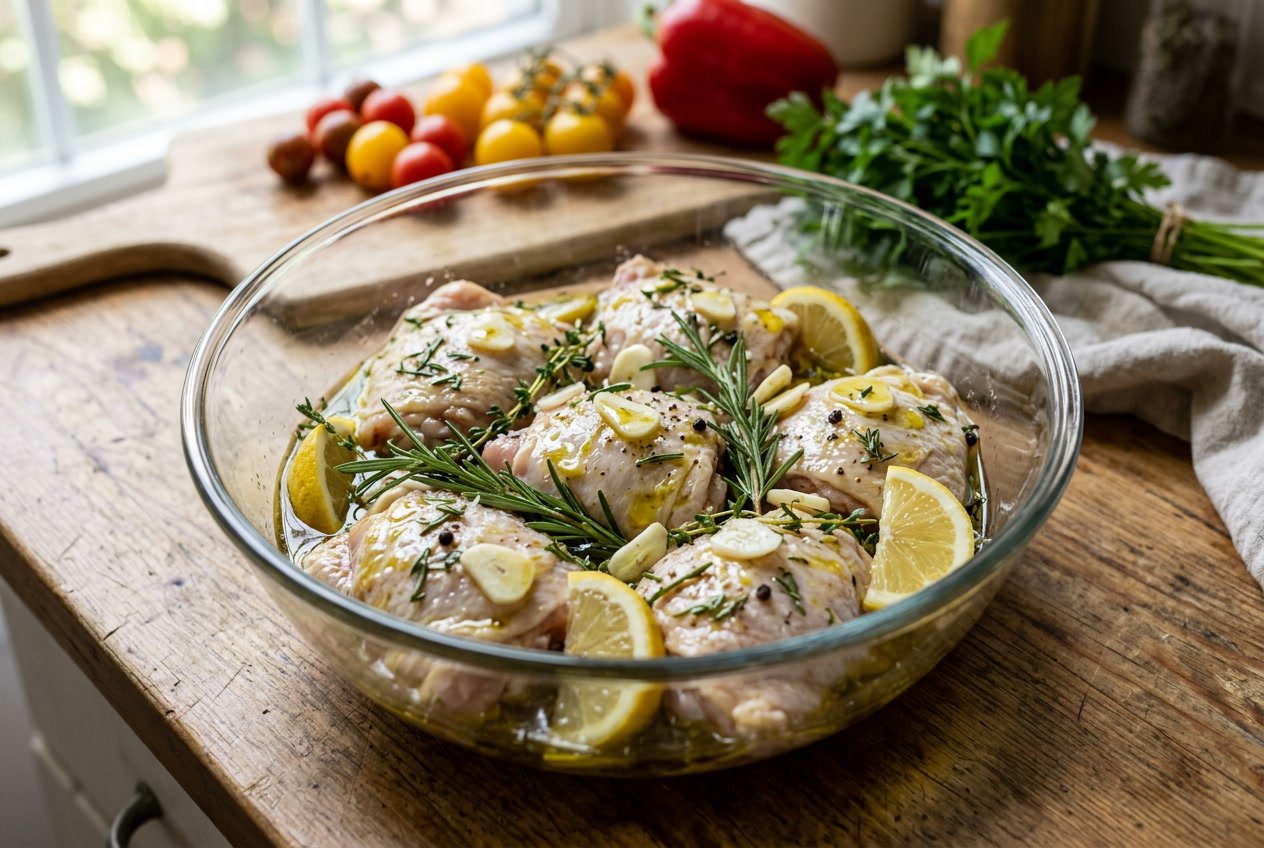
This post explains why marinades change texture and taste and which ingredients act fastest. You’ll also learn how to match marinating time to your cooking method.
Follow practical tips and a few reliable recipes so your next batch of thighs comes out juicy and well-seasoned.
Does Marinating Chicken Thighs Work?
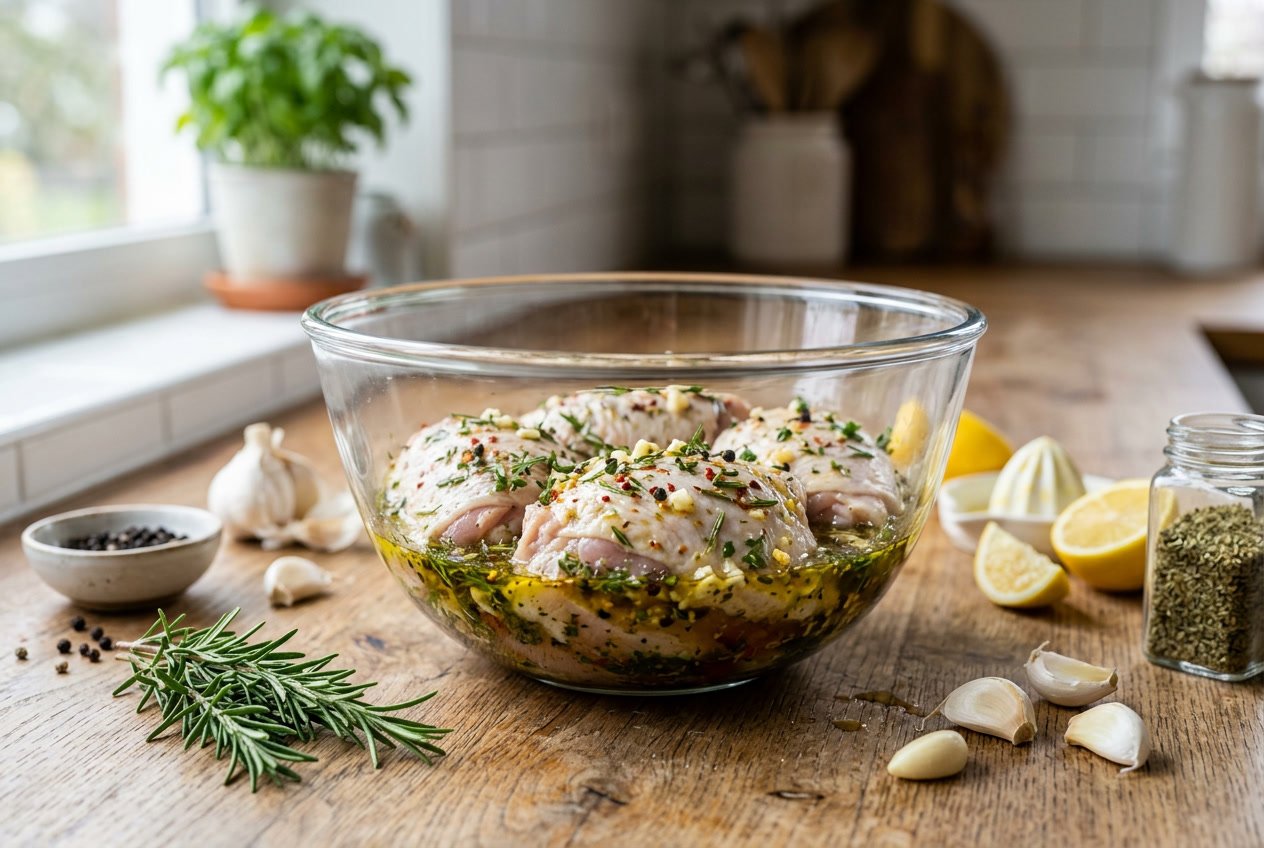
Marinating chicken thighs changes flavor, texture, and moisture in measurable ways. You can use acid, oil, salt, enzymes, or dairy to target specific results when you marinate chicken thighs.
Flavor Enhancement and Infusion
Marinades deposit taste molecules on and just below the surface of the meat. Oils carry fat-soluble flavors like herbs, spices, and garlic, while acids and salty liquids such as lemon juice, vinegar, or soy sauce help dissolve and transfer water-soluble compounds into the tissue.
Use a resealable bag or shallow dish so the marinade contacts all surfaces. Flip or massage the bag occasionally for even coverage.
Strong marinades high in acid or salt work faster, so 30 minutes to 2 hours can be enough for noticeable flavor on thinner thighs. For deeper, more complex profiles, marinate 8 to 24 hours, especially when using low-acid bases like oil-and-herb blends or yogurt-based marinades.
Always refrigerate while marinating to prevent bacterial growth. If you want a grilled finish, reserve a small portion of marinade or boil used marinade to brush on after cooking for extra surface flavor.
Tenderness and Texture Changes
Acidic and enzymatic marinades can alter chicken thigh texture by breaking down proteins. Citrus, vinegar, or buttermilk loosen connective tissue and can tenderize, but excessive exposure, especially with high-acid mixes, makes meat mushy or mealy.
Dairy- and enzyme-based marinades like yogurt, pineapple, or papaya work more gently. They tenderize without as much surface denaturation when used for 4 to 12 hours.
Low-acid oil-and-salt marinades mainly season and slightly affect texture through salt-driven protein modification. They’re safest for overnight marination without risking mushiness.
Match marinating time to your marinade: limit high-acid blends to a few hours, and reserve longer marination for low-acid or dairy-based marinades. Always pat thighs dry before cooking to restore desirable sear and skin crispness.
Juiciness and Moisture Retention
Salt in a marinade increases juiciness by extracting then reabsorbing liquid, seasoning the meat throughout. Use about 1 teaspoon of salt per pound of chicken in the marinade for noticeable moisture retention without over-salting.
Fat from oil in the marinade won’t penetrate far, but it helps surface browning and carries flavor. Yogurt or buttermilk can improve moisture by gentle protein alteration, helping thighs stay tender when cooked.
Do not rely on short, acidic-only marinades to add moisture. They can actually draw out liquid if left too long.
Cook marinated thighs to 165°F (74°C) internal temperature and rest them 5 to 10 minutes. Resting lets juices redistribute so your thighs deliver both flavor and the best possible juiciness.
How Marinating Chicken Thighs Works

Marinating changes chicken thighs by softening protein, adding surface and slight interior flavor, and helping with browning during cooking. Acids break proteins, enzymes digest connective tissue, and oils carry fat-soluble flavors and improve heat transfer.
Role of Acidic Ingredients
Acidic marinades use citrus juice, vinegar, or yogurt to alter muscle proteins. When you soak thighs in these acids, the proteins on the surface denature and tighten, which lets some flavors penetrate and makes the outer layer more receptive to browning.
Short soaks of 30 minutes to 2 hours add brightness without making the meat mealy. Too much time in a high-acid mix can over-denature proteins and produce a soft, cooked texture at the surface.
Limit strong citrus or vinegar marinades to a couple of hours for skin-on thighs. For yogurt or buttermilk, 4 to 12 hours works because their acidity is buffered by dairy solids.
Impact of Enzymatic Marinades
Enzymatic marinades contain natural proteases from papaya, pineapple, or fresh ginger. These enzymes attack connective tissue and individual muscle fibers more aggressively than mild acids, so they tenderize faster and can penetrate deeper if left long enough.
Control contact time carefully. A papaya- or pineapple-based enzymatic marinade can make thighs overly soft within 1 to 2 hours depending on concentration and cut thickness.
For even results, use pureed fruit sparingly, dilute it, or combine with a less aggressive base. Monitor texture rather than relying on a fixed clock.
Function of Oil-Based Marinades
Oil-based marinades don’t tenderize by themselves but act as carriers for fat-soluble flavor compounds like herbs, garlic oil extracts, and spices. When you coat thighs with an oil marinade, the oil promotes even flavor distribution across the surface and helps the exterior brown and crisp during high-heat cooking.
Oils also slow moisture loss by forming a thin barrier and improving heat transfer. Combine oil with salt and aromatics, and marinate 2 to 24 hours depending on other ingredients.
If the oil contains acid or enzymatic components, adjust time accordingly to avoid over-tenderizing or textural changes.
Types of Marinades for Chicken Thighs
Choose a marinade based on flavor intensity, tenderizing method, and cooking plan. Acidic blends cut through fattier thighs and brighten flavor, oils carry fat-soluble aromatics and prevent sticking, while enzymatic or dairy marinades tenderize without overcooking the protein.
Acidic Marinade Examples
Acidic marinades use citrus, vinegar, or wine to both flavor and tenderize. Typical mixes include lemon or lime juice with olive oil, garlic, salt, and herbs, or apple cider vinegar with honey, soy sauce, and smoked paprika for a sweet-savory boost.
Use 1 to 3 tablespoons of acid per cup of marinade so the meat softens without turning mushy. Limit marinating time to 30 minutes to 6 hours for boneless thighs; bone-in can handle up to 12 hours depending on acid strength.
Acidic mixes work well for grilling and pan-searing because the surface caramelizes quickly. Pat thighs dry before cooking to achieve a brown crust.
If you plan to reuse the marinade as a sauce, bring it to a rolling boil for several minutes to kill any bacteria.
Oil-Based Marinade Options
Oil-based marinades center on oil plus aromatics and spices to coat and protect the meat. Olive oil, vegetable oil, or sesame oil each bring different flavor and smoke-point properties.
Combine oil with minced garlic, soy sauce or lemon zest, fresh herbs like rosemary, thyme, or cilantro, and spices like paprika, cumin, or chili flakes.
Oil helps distribute fat-soluble flavors like turmeric or smoked paprika and reduces sticking on the grill. Use a 2:1 oil-to-acid ratio for balance, or go oil-forward with just a splash of acid for brightness.
These marinades shine when you want a long, gentle soak of 4 to 12 hours without the risk of acid-induced texture changes. For high-heat cooking, choose oils with higher smoke points and wipe off excess oil before grilling to prevent flare-ups.
Enzymatic and Dairy Marinades
Enzymatic and dairy marinades tenderize by breaking down proteins rather than denaturing them with acid. Common enzymatic ingredients include pineapple, papaya, or kiwi, which contain bromelain or papain and work fast.
Use fruit purees sparingly for 30 to 60 minutes for boneless thighs because prolonged contact can make the surface mushy. Dairy options like plain yogurt or buttermilk are gentler and more forgiving.
Mix yogurt with curry spices, garlic, and salt and marinate 4 to 12 hours for a tender, slightly tangy result. Dairy also promotes even browning and keeps thighs moist during roasting or baking.
When using enzymatic fruit, puree and strain to control texture. When using yogurt, choose full-fat for best mouthfeel and flavor adherence.
Best Practices for Marinating Chicken Thighs
Use the right balance of acid, oil, salt, and aromatics. Keep the chicken cold and timed correctly, dry the surface before cooking, and never reuse raw marinade without boiling it first.
Choosing the Right Marinade
Pick ingredients that match the result you want. For brown, slightly crisp skin and savory depth, use a base of oil plus soy sauce, garlic, and a touch of honey or brown sugar.
If you want tangy tenderness, combine yogurt or buttermilk with lemon juice, garlic, and smoked paprika. Dairy tenderizes more gently than straight acid.
For a quick flavor boost, a 30 to 60 minute soak with a boldly seasoned, oil-forward mix works well on boneless thighs. For deeper flavor, marinate 2 to 6 hours with a moderate acid or up to 24 hours with yogurt-based blends.
Use about 1/2 to 3/4 cup marinade per pound so the surface gets fully coated.
Safe Marinating: Refrigeration and Timing
Always marinate in the refrigerator at 40°F (4°C) or below. Leave chicken in a sealed glass, ceramic, or food-safe plastic container or a heavy-duty zipper bag to prevent cross-contamination and allow even coating.
Tighten times according to ingredients: 30 to 60 minutes for strong acidic mixes, 2 to 6 hours for typical oil-plus-acid blends, and up to 24 hours for dairy-based or low-acid marinades. Bone-in, thicker thighs may benefit from the longer end of those ranges.
Never marinate at room temperature; bacteria multiply quickly and raise safety risks.
Pat Dry Before Cooking
Remove thighs from marinade and let excess drip off for a few minutes, then pat each piece dry with paper towels. Drying the surface promotes Maillard browning and crisp skin, whether grilling, roasting, or pan-searing.
If you need to keep flavors on the surface, reserve a small portion of the marinade before adding raw chicken and use that for brushing during cook time. Aim to leave a thin, even coating rather than a wet, dripping surface to avoid steaming the skin and to get better crust and color.
Don’t Reuse Marinade
Do not reuse raw marinade as a sauce without sterilizing it first. Raw chicken juices contaminate the marinade with pathogens.
If you want to baste or serve the marinade as a sauce, bring it to a rolling boil for at least one minute to kill bacteria, or set aside and reserve a separate portion before adding raw chicken. Label and refrigerate any boiled sauce promptly and discard after 2 to 3 days.
Recommended Marinating Times and Methods
Marinate chicken thighs in the refrigerator and match time to your marinade’s acidity and the cut you’re using. Short marination boosts surface flavor; longer marination increases penetration but can change texture if acid is strong.
Optimal Marinating Timeframes
For routine use, marinate chicken thighs for 30 minutes to 1.5 hours when you want clear flavor lift without texture change. If your marinade is low-acid with oil and herbs or mild soy, extend to 2 to 6 hours for deeper flavor absorption.
Use this quick reference:
- 30 to 60 minutes: pan-sear, stir-fry, weeknight meals.
- 1 to 3 hours: grilling, baking for balanced depth.
- 4 to 6 hours: low-acid marinades for stronger infusion.
Always keep thighs refrigerated and seal them in a bag or non-reactive container to ensure even contact. Pat the skin or surface dry before high-heat cooking to improve browning.
Overnight Marination: Benefits and Risks
You can marinate overnight if you use a low- to moderate-acid recipe like yogurt, soy-based, or oil-forward. Overnight marination of 8 to 12 hours increases flavor throughout the meat and helps tenderize, especially for thicker pieces.
Avoid strong citrus or vinegar-based marinades for overnight use. High acid left on protein for more than 8 to 12 hours can over-breakdown muscle fibers, producing a soft, unpleasant texture.
If you must marinate 12 or more hours, remove salt from the mix or use a milder acid like yogurt to protect texture.
Risks of Over-Marinating
Marinating for too long mainly affects texture and salt balance. Acidic marinades like lemon, lime, or vinegar can make meat grainy or mushy after about 12 to 24 hours, depending on concentration.
Excessive salt in long marinades draws out moisture and can dry or toughen the exterior. Discard any marinade that touched raw chicken unless you boil it first; do not reuse it directly.
Limit highly acidic marinades to under 2 to 6 hours and refrigerate at all times to avoid problems.
Marinating Time for Boneless vs. Bone-In
Boneless thighs absorb flavors faster because shorter diffusion distances let marinades work quickly. Plan for 30 minutes to 2 hours for boneless pieces with most marinades, and 2 to 6 hours for deeper flavor with low-acid mixtures.
Bone-in thighs take longer to flavor the meat near the bone. Marinate for 1 to 4 hours for moderate penetration and up to 8 to 12 hours for low-acid blends if you want flavor near the bone.
Adjust salt and acid downward for longer times to prevent textural damage.
Popular and Effective Chicken Thigh Marinade Recipes
These marinades combine acid, fat, salt, and aromatics to improve texture and flavor. Each recipe below gives ingredient targets and quick tips for timing and cooking to help you get reliable results.
Classic and Spicy Marinades
A classic marinade balances soy or Worcestershire for umami, an acid like lemon or vinegar, oil, garlic, and a sweetener such as honey. For a basic chicken thigh marinade, mix 1/4 cup low-sodium soy sauce, 2 tablespoons olive oil, 2 tablespoons lemon juice, 2 cloves minced garlic, and 1 tablespoon honey.
Marinate for 30 minutes to 6 hours. Longer times can intensify flavor but risk texture changes.
To make a spicy marinade, add 1 teaspoon smoked paprika, 1/2 teaspoon cayenne, or 1 minced jalapeño. You can swap honey for maple or brown sugar for deeper caramelization when grilling.
Pat thighs dry before searing to get good browning. Brush boiled reserved marinade near the end for a glaze.
Maple Mustard Marinade
Maple mustard marinades pair sweetness with tang to tenderize and caramelize chicken thighs. Use 1/3 cup pure maple syrup, 1/4 cup Dijon mustard, 2 tablespoons apple cider vinegar, 2 cloves garlic, and 2 tablespoons olive oil.
Whisk until smooth. Marinate boneless or bone-in thighs for 1 to 8 hours; an hour gives clear flavor, but monitor acid strength if marinating overnight.
Cook over medium-high heat to let sugars caramelize without burning. Reserve a portion of the marinade before adding raw chicken if you want a sauce, and bring it to a boil for at least 5 minutes to make it safe for serving.
International Flavors and Unique Blends
Try global profiles like Thai coconut-curry, Greek yogurt-lemon, or Caribbean jerk for distinct results.
For a curry coconut marinade, mix 1 cup coconut milk, 1–2 tablespoons red curry paste, 1 tablespoon fish sauce, and 1 tablespoon lime juice. Coconut milk carries spices well and keeps thighs moist during roasting or grilling.
To prepare Greek-style thighs, blend 1 cup Greek yogurt, 3 tablespoons lemon juice, 3 cloves garlic, and 1 tablespoon oregano. Yogurt gently tenderizes and creates a silky coating.
For jerk-style heat, combine scallions, Scotch bonnet or habanero (to taste), allspice, thyme, and 2 tablespoons lime juice. Marinate 4–12 hours to develop deep flavor.
Adjust salt and acid for each profile. Always refrigerate while marinating.


