
Does Chicken Thighs Have Cholesterol? Nutrition, Facts & Heart Health
You can enjoy chicken thighs, but you should know they contain a meaningful amount of cholesterol. Chicken thighs have more cholesterol than chicken breast, and the amount rises when the skin stays on.
A single skinless thigh can supply roughly 70–130 mg of cholesterol. Portion size and preparation matter if you track daily cholesterol intake.
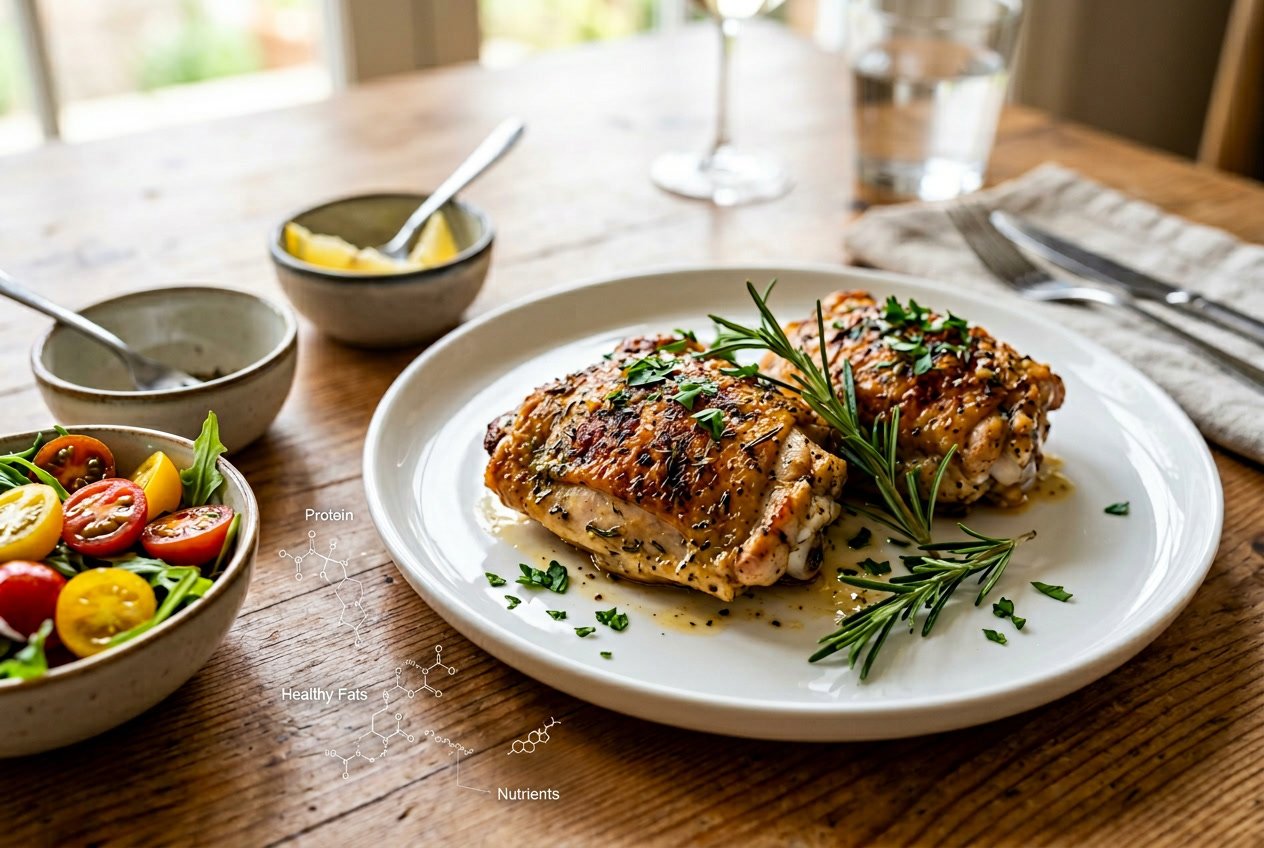
Chicken thighs contain specific amounts of cholesterol depending on preparation and cut. Cooking methods and skin removal affect the totals.
You can fit thighs into a heart‑healthy eating plan by understanding their nutrients and making choices that match your health goals.
How Much Cholesterol Is in Chicken Thighs?
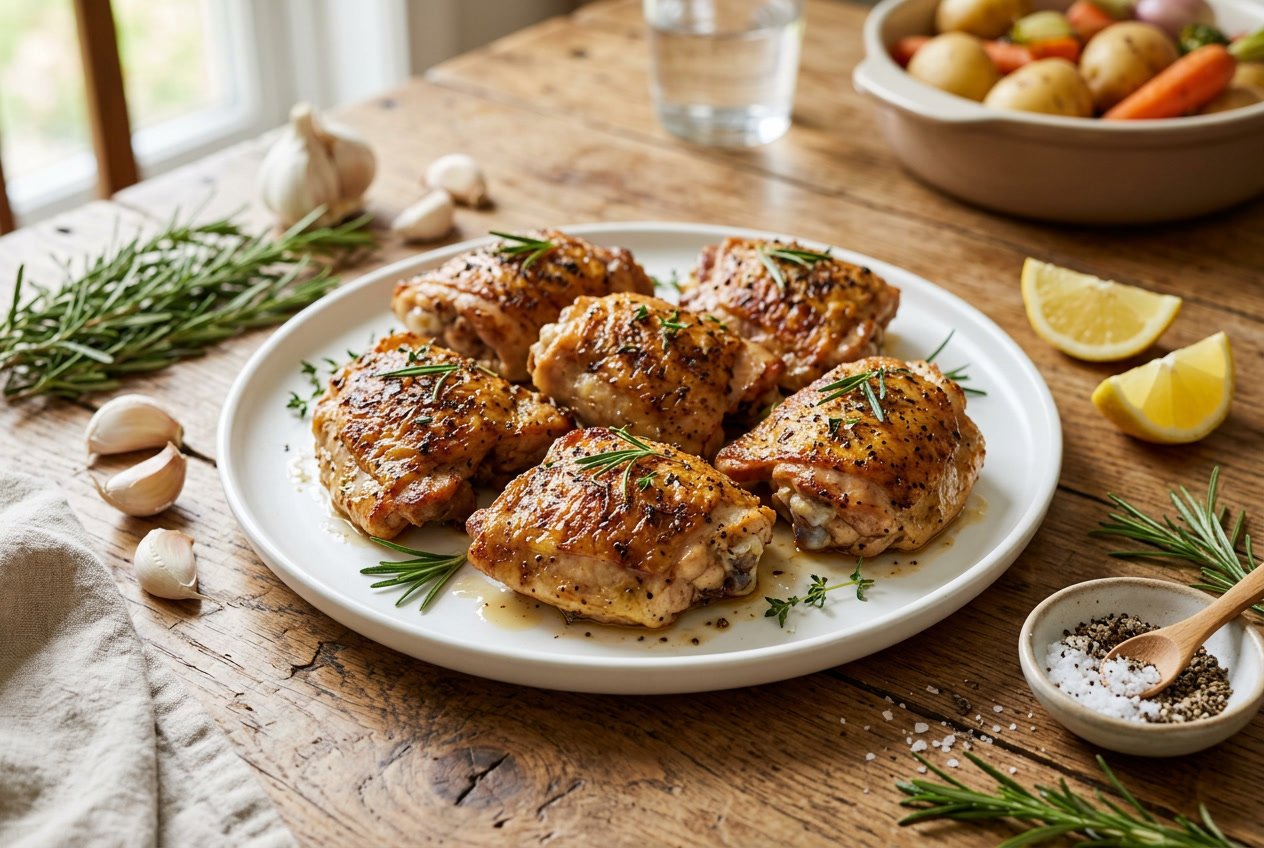
A 3.5-ounce (100 g) serving of cooked chicken thigh typically contains 80–110 mg of cholesterol. The amount depends on whether the skin remains and the specific cut.
That range places thighs above breast meat per equal weight but below fattier poultry parts like wings.
Cholesterol Amount in Skinless vs. Skin-On Thighs
Skin-on thighs contain more cholesterol and saturated fat than skinless thighs because the skin stores much of the fat. For example, a 100 g skin-on cooked thigh usually measures toward the upper end of the 80–110 mg range.
The same portion skinless often falls closer to 70–85 mg. Trimming visible fat before cooking reduces saturated fat and slightly lowers cholesterol concentration per serving.
Remove the skin, trim excess fat, and use moist-heat methods like poaching, braising, or baking rather than frying. These choices lower cholesterol exposure per portion while keeping the nutrient benefits of thigh meat.
Cholesterol in Chicken Thighs Compared to Other Chicken Parts
Chicken thighs have more cholesterol than a comparable weight of chicken breast but usually less than wings. Typical values by cooked 100 g portion:
- Chicken breast (skinless): ~25–75 mg
- Chicken thigh (skinless): ~70–90 mg
- Chicken thigh (skin-on): ~90–110 mg
- Chicken wings (skin-on): ~110–140 mg
Portion size matters. A restaurant-sized thigh (about 170–175 g) can deliver well over 120 mg of cholesterol.
Balance thighs with leaner cuts on other days if you monitor cholesterol intake.
Cholesterol Content Compared to Other Proteins
Compared with common proteins per 100 g cooked:
- Lean fish (e.g., cod): ~40–70 mg cholesterol
- Salmon: ~55–90 mg and provides heart-healthy omega-3s
- Pork loin (lean): ~70–90 mg
- Red beef (lean): ~70–100+ mg depending on cut
Chicken thighs often sit in the mid-range for cholesterol among animal proteins. If you want to lower LDL risk, choose skinless white meat, fatty fish with omega‑3s, or plant proteins like legumes and tofu, which contain no dietary cholesterol.
Factors Influencing Cholesterol in Chicken Thighs
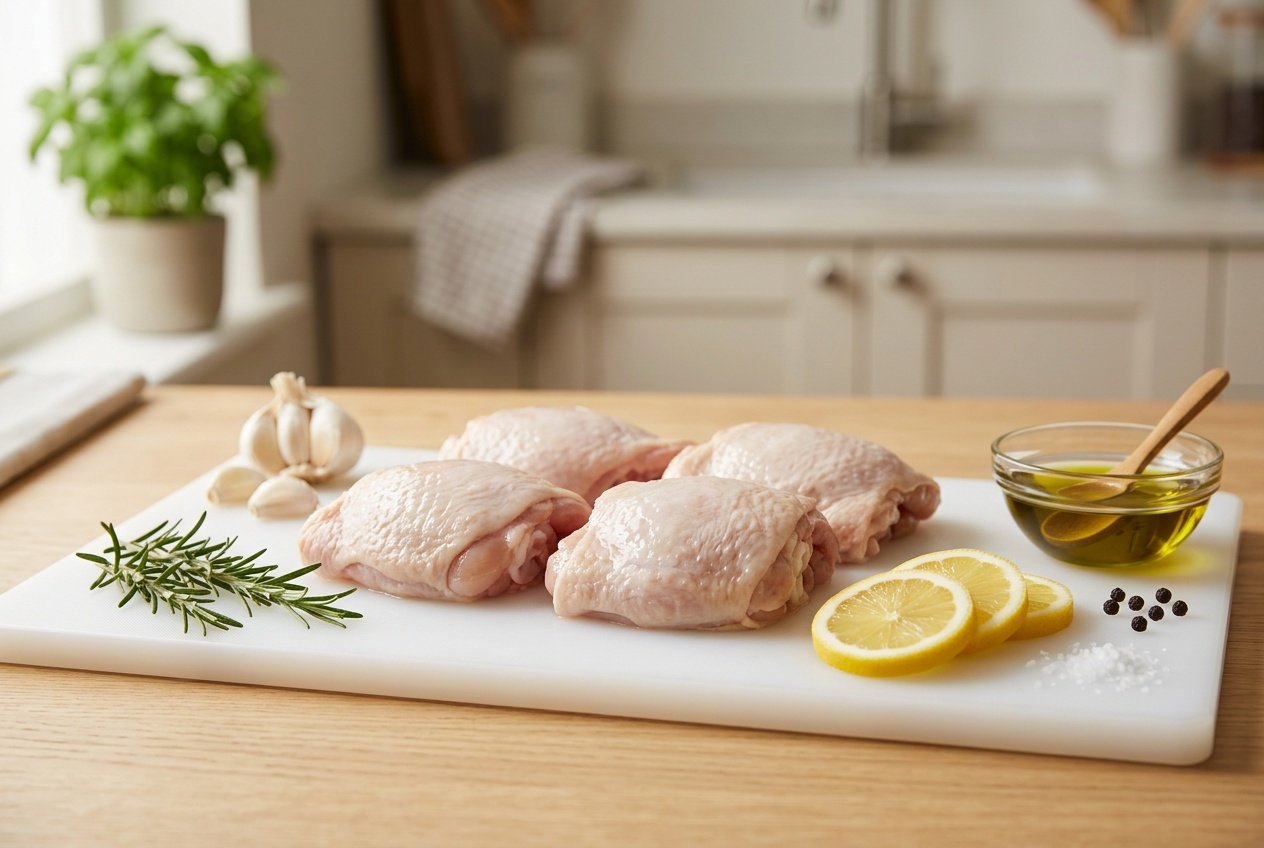
Preparation and portion size affect how much cholesterol you get from chicken thighs. Factors include whether the skin is present, how much you eat, and the calories from cooking methods.
Effect of Skin on Cholesterol Levels
The skin adds both fat and cholesterol. A skin-on chicken thigh can contain roughly 20–30 mg more cholesterol per 100 g than a skinless thigh.
Remove the skin before eating to reduce cholesterol without giving up the thigh entirely. Skinless chicken thighs still contain cholesterol from the meat, but they have less saturated fat and fewer calories than skin-on versions.
Cooking method interacts with skin. Frying with the skin raises absorbed fat and increases the effective cholesterol load.
Baking or grilling skinless thighs keeps added fat and extra cholesterol minimal.
Portion Size and Cholesterol Intake
Portion control directly affects how much cholesterol you eat. One medium skinless thigh (about 50–75 g cooked) typically supplies roughly 40–80 mg of cholesterol.
A larger thigh (≈170 g raw) can supply over 120 mg. If you follow a 300 mg daily cholesterol limit, a single large thigh may use up 40% or more of that allowance.
Limit cholesterol intake by choosing smaller portions or combining a single thigh with a large vegetable side to increase satiety.
Track portions with a kitchen scale or visual cues. A palm-sized piece of cooked chicken equals roughly one serving.
Splitting larger thighs between two people reduces per-person cholesterol without discarding food.
Role of Chicken Thigh Calories
Calories link to cholesterol through fat content. A 100 g cooked skinless chicken thigh contains roughly 180–220 kcal depending on cooking method.
Higher calories usually mean more fat and therefore more cholesterol per serving.
Choose lower-calorie methods like grilling, baking, or poaching to reduce added fats. Avoid frying in oil or butter, which increases calorie density and can push a portion above recommended limits for saturated fat and cholesterol.
Opt for a 100 g skinless thigh (lower calories, ~70–90 mg cholesterol) rather than a heavier, skin-on, fried portion to limit cholesterol intake while keeping protein steady.
Cholesterol Content by Cooking Method
Cooking method changes how much fat and cholesterol you actually eat from chicken thighs. Removing skin and avoiding added fats lowers cholesterol and saturated fat the most.
Baking, grilling, or using acidic marinades helps reduce added fats and preserve nutrients.
Baked Chicken Thighs
Baking lets fat render out of the meat. If you place thighs on a rack, much of that rendered fat drips away.
A 100 g portion of baked thigh with skin still contains notable cholesterol (around 90–100 mg). Removing the skin before or after baking cuts both cholesterol and saturated fat substantially.
Use lower oven temperatures and shorter cook times to limit moisture loss while allowing fat to drip off. Baking with a rack or on parchment, and discarding pooled juices, reduces the amount of fat you consume without adding oils.
Season with herbs, citrus, or spice blends instead of butter or high-fat sauces.
Grilled Chicken Thighs
Grilling exposes thighs to direct heat, which causes some fat to melt and drip off the meat. You still retain similar intrinsic cholesterol in the muscle, but grilling without added oils limits extra fats absorbed during cooking.
Remove the skin to further reduce cholesterol intake. Use a light oil spray or nonstick surface if needed instead of brushing on large amounts of oil.
Frying and Trans Fats
Frying increases the fat content of chicken thighs because the meat absorbs cooking oil. Using partially hydrogenated oils or repeatedly reused frying oil adds trans fats that raise LDL cholesterol more than natural chicken cholesterol does.
Pan-frying in a tablespoon of olive oil adds less additional fat than deep-frying in several cups of oil. If you fry, choose stable oils like high-oleic sunflower or peanut oil, maintain proper temperature (around 350–375°F) to minimize oil uptake, and avoid reusing oil.
Marinating Chicken Thighs
Acidic marinades like lemon juice, vinegar, or yogurt can help break down surface fat and improve flavor. Marinades do not remove intrinsic cholesterol inside the meat, but they let you skip heavy sauces that would add extra cholesterol and saturated fat.
Use herbs, garlic, and spices in the marinade to boost flavor without oil. If you include oil in a marinade, keep it to 1–2 tablespoons for several thighs and pat thighs dry before cooking to prevent excess oil absorption.
Refrigerate marinated thighs and discard used marinade unless you boil it first.
Chicken Thighs, Fats, and Heart Health
Chicken thighs contain more total fat and more saturated fat than breast meat. They also supply monounsaturated and polyunsaturated fats.
A single skinless thigh (around 100–175 g raw) typically provides tens of milligrams of dietary cholesterol and several grams of saturated fat. Portion size and preparation matter for your blood-lipid goals.
Saturated Fat vs. Dietary Cholesterol
Saturated fat and dietary cholesterol affect your blood lipids differently. Saturated fat raises LDL cholesterol more consistently than dietary cholesterol for most people.
A typical skinless chicken thigh contains modest saturated fat (several grams per 100 g). Eating thighs with the skin increases both saturated fat and total cholesterol.
If you aim to lower LDL, trim visible fat and remove the skin. Limit high-saturated-fat cooking methods like deep frying.
Dietary cholesterol still contributes to your daily intake. The American Heart Association’s traditional limit (about 300 mg/day) means one larger thigh can use a substantial portion of that allowance.
Count cholesterol from eggs, dairy, and meats together when you plan meals.
Healthy Fats in Chicken Thighs
Chicken thighs include heart-friendly unsaturated fats: monounsaturated fat (oleic acid) and smaller amounts of polyunsaturated fat (including linoleic acid). These fats can help lower LDL when they replace saturated fat in your diet.
Choose cooking methods that preserve healthy fats without adding saturated fat. Grilling, baking, or pan-searing with small amounts of olive oil work well.
Pair thighs with fiber-rich vegetables and whole grains to improve the meal’s overall impact on blood cholesterol.
If you frequently eat thighs, balance them with fatty fish, nuts, seeds, and plant oils to increase your intake of beneficial unsaturated fats and omega‑3s.
LDL Cholesterol and Blood Cholesterol
LDL (low-density lipoprotein) is the main lipid fraction linked to atherosclerosis risk. Foods high in saturated fat raise LDL most; dietary cholesterol can affect LDL modestly for some people.
To reduce LDL, replace saturated-fat sources with unsaturated fats and increase soluble fiber and plant sterols. For example, swap a skin-on fried thigh for a skinless baked thigh plus a side of oats or beans.
Monitor your own blood cholesterol with periodic testing if you eat higher-fat poultry often. Individual responses vary, so tailor portion size and preparation to your personal risk and test results.
Chicken Thighs in a Heart-Healthy Diet
Chicken thighs can fit into a heart-healthy eating pattern if you control portion size, remove the skin, and pair them with foods that help lower LDL cholesterol.
Focus on serving sizes, cooking methods, and complementary foods that support heart health.
Balanced Diet and Portion Control
Limit a single serving to about 3–4 ounces (85–113 g) of cooked, skinless thigh to keep dietary cholesterol and saturated fat within recommended limits.
The American Heart Association suggests staying near 300 mg of dietary cholesterol per day for most adults. A smaller, skinless thigh helps you manage that.
Choose baking, grilling, roasting, or braising without added saturated fats. Measure portions with a food scale or visual cues (deck of cards ≈ 3 ounces).
Balance your plate: half nonstarchy vegetables, one-quarter whole grains, one-quarter lean protein. This mix increases fiber and reduces the relative impact of the thigh’s cholesterol on your meal.
Pairing Chicken Thighs with Cholesterol-Lowering Foods
Combine chicken thighs with soluble-fiber foods that lower LDL, such as oats, barley, beans, lentils, and Brussels sprouts.
Add a serving of whole grains (e.g., ½ cup cooked quinoa or brown rice) and at least one cup of nonstarchy vegetables to every meal containing thigh meat.
Use olive oil, avocado, nuts, and fatty fish elsewhere in the day to increase heart-healthy monounsaturated and omega-3 fats.
Season with herbs, citrus, and garlic instead of butter or heavy sauces. Consider a simple side salad with mixed greens, chickpeas, and a splash of vinaigrette to boost fiber and plant sterols.
Guidelines for Those with High Cholesterol
If your LDL cholesterol is elevated, favor skinless thighs and reduce frequency to once or twice weekly. Replace other days with skinless breast, fish, or legumes.
Track total saturated fat intake and aim for less than 5–6% of daily calories if you have high LDL.
Monitor portion sizes and overall dietary cholesterol across the day. Choose cooking methods that don’t add fat, and trim visible fat before cooking.
Work with your clinician or dietitian to personalize limits based on your lipid panel, medications, and risk factors for heart disease.
Chicken Thighs and Familial Hypercholesterolemia
If you have familial hypercholesterolemia (FH), dietary changes alone rarely normalize LDL. You should still minimize dietary saturated fat and cholesterol.
Prefer skinless chicken breast, fish rich in omega-3s, and plant-based proteins most days. Reserve chicken thighs only occasionally and in small portions.
Follow the treatment plan from your lipid specialist, including statins or other lipid-lowering therapies. Use diet to complement medication.
Focus on whole grains, soluble fiber such as 3–5 grams per day from oats and legumes, and plant sterols. Keep accurate food records to show your care team how your intake aligns with recommendations.
Nutrients in Chicken Thighs Beyond Cholesterol
Chicken thighs supply more than cholesterol. They deliver concentrated protein and several essential minerals and B vitamins that support muscle maintenance, energy metabolism, immune function, and bone health.
The next parts detail the most relevant nutrients and how they matter to your diet.
Lean Protein and B Vitamins
A cooked, skinless chicken thigh gives you about 24–26 grams of high-quality protein per 100 grams. This makes it an efficient way to meet daily protein targets for repair and satiety.
That protein contains all nine essential amino acids, so it helps preserve lean mass when you’re active or reducing calories.
Chicken thighs also provide key B vitamins, particularly niacin (B3), vitamin B6, and vitamin B12. Niacin supports cellular energy production and healthy cholesterol metabolism.
Vitamin B6 helps with amino acid metabolism and neurotransmitter synthesis. B12 is important for red blood cell formation and nervous system function.
Together these B vitamins help convert the protein and other macronutrients you eat into usable energy. They help maintain metabolic health.
Iron, Zinc, Selenium, and Phosphorus
Chicken thighs offer bioavailable heme iron, which your body absorbs more efficiently than nonheme iron from plant sources. That iron supports oxygen transport and reduces fatigue risk, especially if you have higher needs.
A 100-gram serving supplies a meaningful portion of your daily iron requirement.
Zinc in chicken thighs contributes to immune response, wound healing, and protein synthesis. Selenium acts as an antioxidant cofactor for glutathione peroxidases, helping protect cells from oxidative stress.
Phosphorus supports bone mineralization and ATP production for cellular energy. These minerals appear in moderate amounts in a single serving.
Pairing thighs with vegetables and whole grains gives you a broader nutrient profile without adding excessive calories.
Are Chicken Thighs Bad for Cholesterol?
Chicken thighs contain more cholesterol and saturated fat than chicken breast, especially when the skin stays on. You can still include them in your diet if you control portion size and use heart-healthy cooking methods.
Can You Eat Chicken Thighs With High Cholesterol?
Yes, but choose portions and preparation carefully. A single skinless chicken thigh, about 100–170 grams, can provide roughly 70–150 mg of cholesterol depending on size and whether it’s cooked with skin.
That can be a large fraction of the 200–300 mg per day limits commonly recommended, so limit thighs to one small-to-medium piece per meal if you track cholesterol.
Focus on lean choices. Remove the skin, trim visible fat, and prefer baked or grilled thighs over fried.
Pair the thigh with fiber-rich sides such as vegetables, beans, or whole grains to help blunt post-meal lipid responses.
If your provider gave a target LDL or dietary cholesterol cap, follow that number and count the thigh toward your daily total.
Reducing Cholesterol in Chicken Dishes
Remove the skin before cooking or eating, since skin adds saturated fat and extra cholesterol.
Choose cooking methods that drain or avoid added fat. Grill, broil, bake on a rack, or poach the chicken.
Swap marinades and sauces high in butter or cream for olive oil with lemon, vinegar-based sauces, or spice rubs.
Serve 3–4 ounces (about 85–115 g) of cooked thigh meat per person.
Add plant foods such as vegetables, legumes, and whole grains to increase fiber.
Quick checklist
- Remove skin and trim fat
- Choose baking, grilling, or poaching
- Limit to about 3–4 oz cooked meat per serving
- Use olive oil, herbs, or citrus instead of butter or cream
- Add fiber-rich sides like beans, greens, or whole grains


