
Do Chicken Thighs Have Protein? Nutrition, Health, and Comparison
Chicken thighs contain substantial protein, typically about 24–27 grams per 100 grams cooked. They are a solid source of protein for most meals.
Chicken thighs provide meaningful protein comparable to other cuts, while also offering more fat and richer flavor.
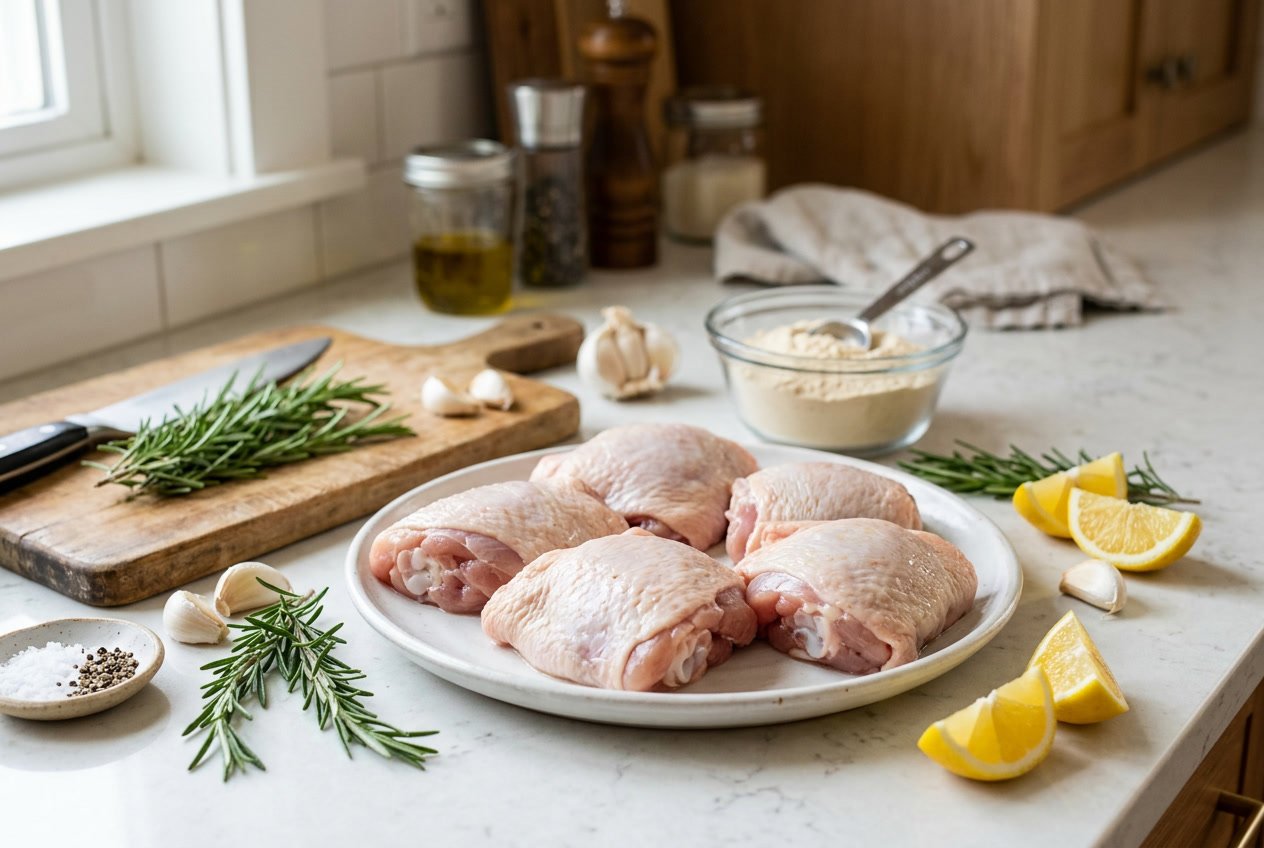
If you care about muscle, satiety, or just a satisfying meal, thighs give you protein plus extra calories and nutrients that can help depending on your goals. The article explains how protein differs by cooking method, skin-on versus skinless, and how thighs compare with breasts and other cuts so you can choose what fits your plan.
Protein Content in Chicken Thighs
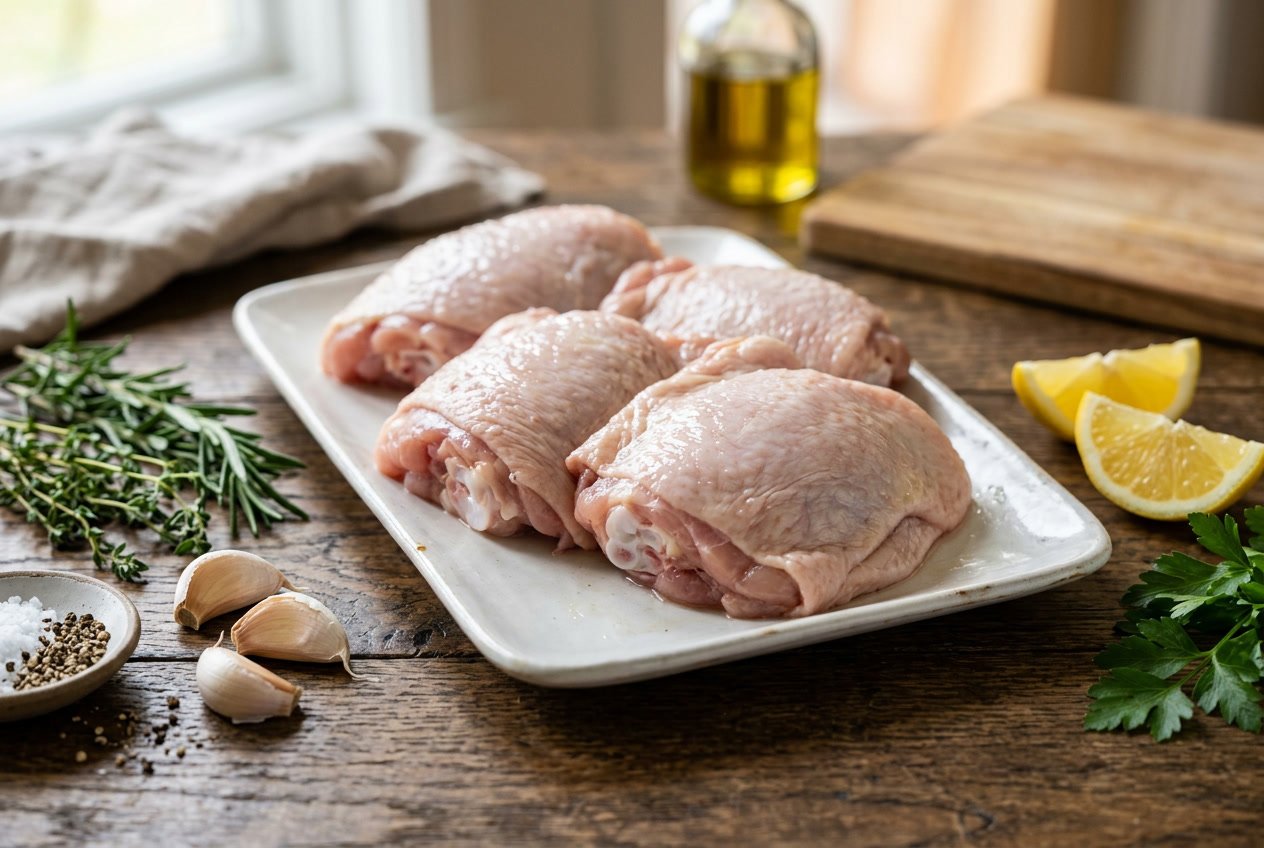
Chicken thighs provide a substantial amount of complete protein per serving. The amount varies by weight, cooking method, and whether the skin or bone is included.
Expect about 25–27 grams of protein per 100 grams of cooked, skinless thigh meat. Adjust portions based on raw versus cooked weight.
Typical Protein Amount per Serving
A single skinless, cooked chicken thigh (about 100–115 grams) generally supplies roughly 25–27 grams of protein. Cooking reduces water weight and concentrates nutrients, so 100 grams raw will yield a different protein-per-gram figure after cooking.
For quick reference:
- 100 g cooked, skinless thigh ≈ 25 g protein
- 111 g cooked thigh ≈ ~27 g protein
- 3.5 oz (100 g) comparisons: thigh < breast (breast ≈ 31–32 g)
If you track macros, log cooked weight when possible. Nutrition labels and databases sometimes list raw values, so tracking portion weight avoids miscounts.
Factors Affecting Protein Levels
Cooking method, moisture loss, and skin presence change protein per gram. Roasting or grilling removes more water than poaching, increasing protein concentration per cooked gram.
Fat content on skin-on thighs dilutes protein percentage slightly, so skinless cuts show a higher protein percentage by weight. Breed, diet, and cut size also create minor variations.
If you’re meal prepping for specific protein targets, weigh your cooked portions and prefer skinless thighs to reduce variability. Use standardized nutrition databases for consistency.
Boneless vs. Bone-In Thighs
Boneless thighs provide more usable meat per package weight because bone weight doesn’t contribute protein. A boneless, skinless cooked thigh of about 111 grams yields the ~27 g protein figure.
Bone-in thighs weigh more overall, so a 150 g bone-in piece might contain less edible meat. You actually consume less protein unless you weigh only the meat.
Remove bone and skin, then weigh the meat after cooking for precise protein counts. This approach minimizes errors when you calculate protein in chicken thighs for nutrition goals.
Skin-On vs. Skinless Chicken Thighs

Skin-on thighs add flavor and moisture, but increase calories and fat. Skinless thighs cut fat and calories while still delivering substantial protein and a tender texture when cooked properly.
Protein Differences
Skinless chicken thighs provide roughly 24–27 grams of protein per 100 grams of cooked meat. Removing the skin does not meaningfully change the muscle protein; it mainly removes fat and the skin’s calories.
You get slightly more protein per gram from skinless thighs because the skin adds non-protein weight. For example:
- Skinless, cooked thigh: ~25 g protein / 100 g.
- Skin-on, cooked thigh: slightly lower protein/100 g because of added skin weight.
Choose skinless thighs when you want the best protein-to-calorie ratio for muscle building, calorie tracking, or leaner meals.
Fat and Calorie Comparison
Skin-on thighs contain noticeably more fat and calories than skinless thighs. Expect roughly 11 g fat and about 200 kcal per 100 g of cooked thigh with skin removed.
Skin-on portions can add several grams of fat and 50–80 more calories per 100 g depending on how much skin remains after cooking. If you’re watching saturated fat or total daily calories, remove the skin before or after cooking to cut 20–40% of the calories from the same portion.
If flavor and juiciness matter more, keeping the skin while trimming visible fat gives a middle ground: more taste but with controlled added calories.
Chicken Thighs vs. Other Chicken Cuts
Chicken thighs deliver about 24–25 grams of protein per 100 grams cooked, with more fat and calories than breast. You get slightly lower protein density than breast meat, but more flavor and moisture.
Chicken Thighs vs. Chicken Breast
Chicken breast typically provides about 30–32 grams of protein per 100 grams cooked. Breast is the leanest, most protein-dense cut.
Thighs offer roughly 24–25 grams of protein per 100 grams cooked and contain more intramuscular fat. That extra fat raises calories but improves juiciness and flavor.
For strength training or muscle maintenance, both cuts supply high-quality complete protein. Choose breast for tight calorie control and thighs if you need more energy or prefer taste.
Thighs Compared to Drumsticks and Wings
Drumsticks and wings provide protein similar to thighs on a per-100-gram basis—around 23–25 grams. The distribution of meat and bone changes serving size calculations.
A single drumstick or wing yields less edible meat than an equivalent weight of thigh, so you may need more pieces to reach the same protein target. Wings often come with higher skin-to-meat ratios and are commonly cooked with added sauces, increasing calories and fat.
Drumsticks sit between thighs and wings in tenderness and flavor, with moderate fat and protein. If you count macros, weigh cooked, skinless portions. If you count portions by piece, prefer thighs for a higher edible-meat yield and easier protein planning.
Nutritional Benefits Beyond Protein
Chicken thighs supply essential amino acids, several B vitamins, iron, zinc, selenium, and healthy unsaturated fats. These nutrients support muscle repair, energy metabolism, immune function, and nutrient absorption.
Amino Acid Profile in Chicken Thighs
Chicken thighs contain a complete set of essential amino acids, including leucine, isoleucine, valine, lysine, and methionine. Leucine is particularly important for stimulating muscle protein synthesis.
A single cooked boneless, skinless thigh (about 100–120 g) supplies a meaningful portion of the leucine you need after exercise. The amino acid balance also supports tissue repair and immune cell production.
If you follow a mixed diet, thigh protein pairs well with plant foods to round out amino acid needs. For strength training or recovery, choose portion sizes that deliver 20–40 g of protein per meal.
Vitamins and Minerals Content
Chicken thighs are richer in several micronutrients than white meat. Per 100 g cooked, they typically provide meaningful amounts of iron and zinc, which support oxygen transport and immune function.
You also get B vitamins—niacin (B3), vitamin B6, and B12—that help convert food to energy and support nervous system health. Selenium appears in modest amounts and acts as an antioxidant cofactor.
The fat in thighs increases absorption of fat-soluble nutrients in the meal and keeps you feeling full longer. Removing the skin lowers calories and total fat but retains most B vitamins and minerals.
Are Chicken Thighs a Healthy Protein Choice?
Chicken thighs provide a solid amount of protein along with higher fat and calories than breast meat. You can control calories and saturated fat by choosing skinless thighs and cooking methods that drain or render fat.
Impact on Weight Management
A 100 g cooked, skinless chicken thigh delivers roughly 24–27 g of protein and about 180–200 kcal. That protein supports satiety and muscle maintenance, which helps with appetite control and preserving lean mass during weight loss.
Choose skinless thighs to lower total fat—roughly 10–11 g fat per 100 g cooked versus about 3–4 g in breast. Prefer grilling, baking on a rack, or broiling to let fat drip away.
Pair thighs with high-fiber vegetables and whole grains to balance energy density and extend fullness.
Suitability for Different Diets
For most omnivorous diets, thighs work well as a regular protein source because they provide protein, B vitamins, iron, and zinc. If you follow a lower-fat or calorie-restricted plan, use skinless portions and portion-control (3–4 ounces cooked per serving).
Thighs also work for higher-fat or ketogenic approaches; the additional fat can help meet macro targets. For heart-healthy plans, limit skin-on servings and avoid frying.
If you have specific medical needs, consult with your clinician and adjust portion size and cooking method accordingly.
Cooking Methods to Maximize Protein Benefits
Choose cooking methods that preserve protein while controlling added fat and calories. Focus on techniques that limit harsh heat and excessive oil, and use simple seasoning to keep sodium low.
Healthy Cooking Techniques
Bake, poach, grill, or air-fry chicken thighs to keep protein high and added fat low. Bake at 350–400°F until internal temperature reaches 165°F; this cooks the meat through without overcooking and keeps juices that contain soluble protein.
Poach thighs gently in simmering broth for 15–25 minutes; moist heat reduces protein denaturation and preserves B vitamins.
Grill or broil to let fat drip away, lowering calories while keeping texture and flavor. Use an oil spray or brush to prevent sticking instead of deep-frying.
Air-frying achieves a crispy exterior with much less added fat than deep frying. Remove skin if you want fewer calories; leave skin on when you need extra calories or flavor.
Protein Retention during Cooking
Normal cooking keeps the protein content in chicken thighs largely intact. Extreme heat and prolonged cooking can slightly reduce digestible protein.
Control the internal temperature precisely to 165°F (74°C) to ensure thorough cooking without unnecessary heat exposure. Avoid repeated reheating, as each cycle breaks down protein and reduces texture and juiciness.
Moist-heat methods such as poaching or braising help keep nutrients from escaping into cooking liquids. If you use those liquids for sauces or gravies, you keep soluble proteins and B vitamins.
Trimming fat or removing skin causes minor changes in total calories. Protein grams per cooked portion stay nearly the same.


