
Chicken Thighs Don’t Taste Good: Causes & Better Cooking Methods
You expect chicken thighs to be juicy and flavorful. When they taste bland, metallic, or just off, you want quick reasons and practical fixes.
Most of the time, you can control the problem by focusing on freshness, seasoning, cooking temperature, and whether the skin or bone is present.
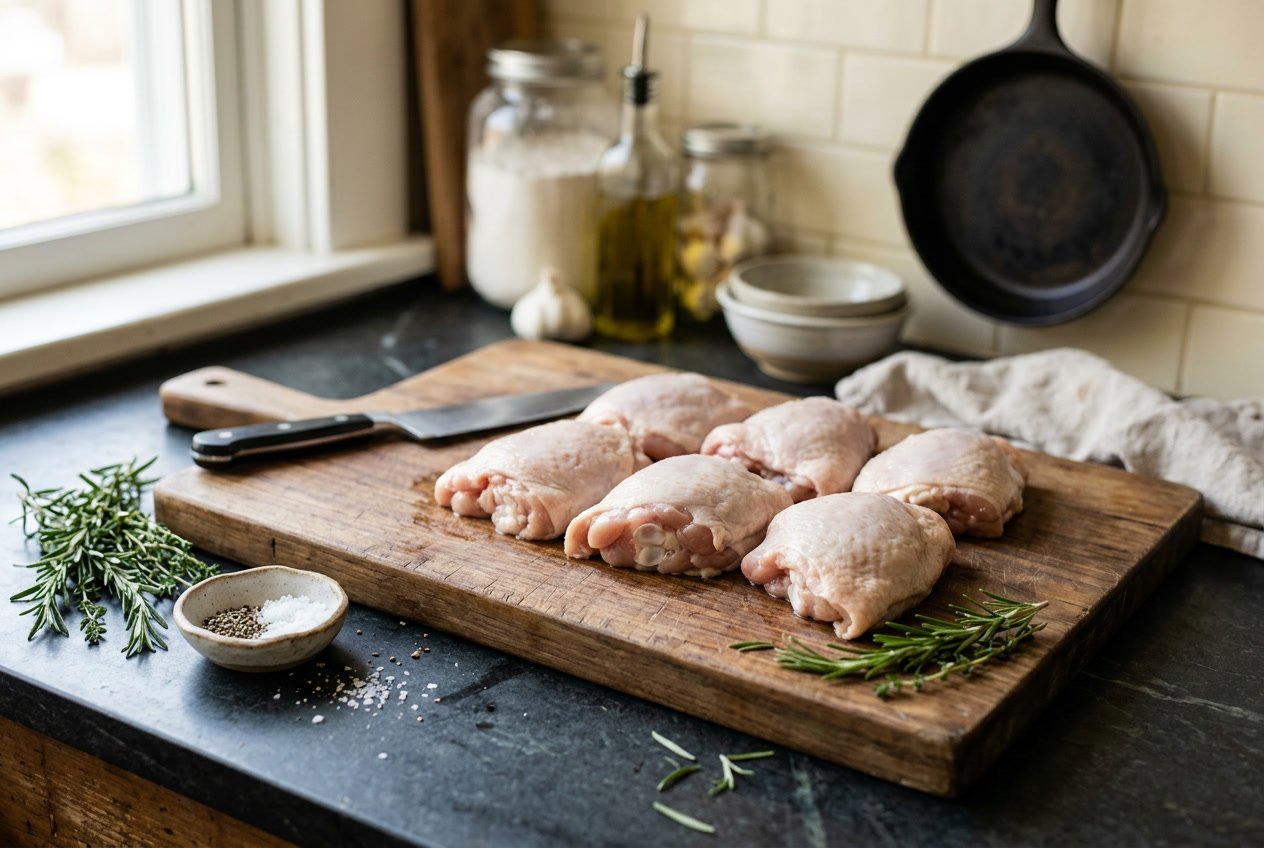
Several factors affect why thighs sometimes develop a weird flavor. Common mistakes can strip away good taste.
Choosing higher-quality cuts and making simple prep and cooking changes can bring out the rich, desirable flavor of dark meat.
You can learn quick checks to spot poor-quality or aged thighs. Use straightforward seasoning and brining tips to balance richness.
Try the best cooking approaches to turn tough or bland thighs into reliably tasty meals.
Why Chicken Thighs Often Don’t Taste Good
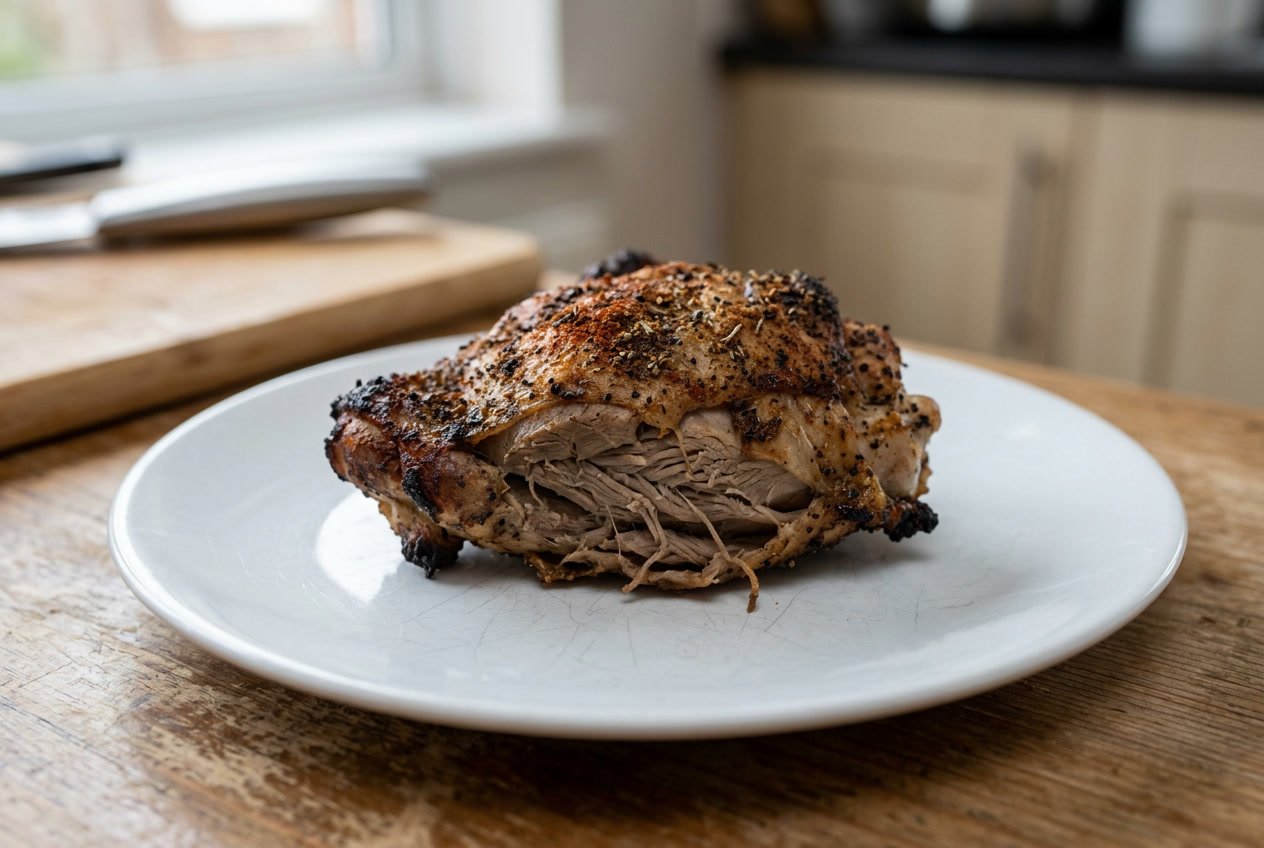
Choices made before and during cooking affect the taste and texture of thighs. Fat and connective tissue, processing and storage, and cooking technique play major roles.
Common Complaints About Flavor and Texture
People often say thighs taste “too fatty,” “mushy,” or “rubbery.” When you don’t render excess fat or season well, the result tastes greasy instead of rich.
Texture issues happen when connective tissue isn’t broken down. Undercooked collagen gives rubbery bites, and overcooking boneless pieces makes them dry and stringy.
Simple cooking mistakes matter. When you crowd the pan, you create steam that prevents browning and leaves soggy skin.
If you don’t dry or salt the skin before cooking, you block crisping and flavor penetration.
Skipping brines or resting time reduces both juiciness and seasoning depth.
Differences Between Dark Meat and White Meat
Dark meat (thighs) has more myoglobin, fat, and collagen than white meat (breasts). That makes thighs more forgiving at higher internal temperatures and gives them a meatier flavor when cooked correctly.
Collagen needs time or heat to convert into gelatin. If you cook thighs quickly at high heat, they can come out underdeveloped or gelatinous.
Bringing thighs to 175–185°F (79–85°C) or using slow braising converts collagen into gelatin and yields juicy, tender results.
Bone-in, skin-on cuts retain flavor and moisture better than boneless, skinless pieces.
Impact of Mass Production and Processing
Supermarket thighs are often processed for shelf life and cost rather than flavor. Rapid chilling, long transport, or added water solutions dilute natural juices and mute taste.
Treated pieces can release watery juices when cooked, which reduces browning and flavor.
Processing affects fat distribution and skin quality. Factory-trimmed thighs may lack consistent skin or bone, removing flavor sources.
Look for minimal-added-solution labels, bone-in skin-on cuts, or fresh local sources to improve the taste and texture of your chicken thighs.
Mistakes That Make Chicken Thighs Taste Bad
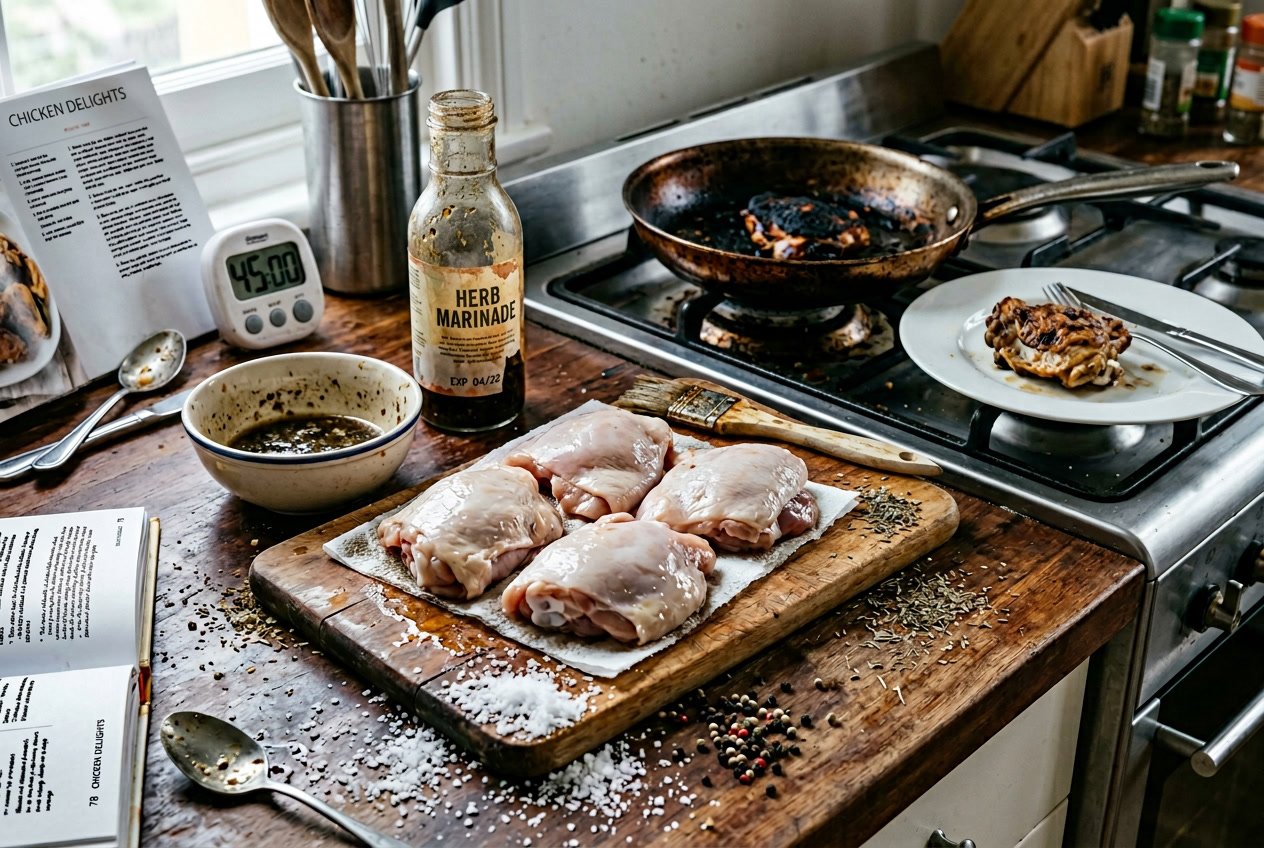
Flavor problems usually come from technique errors. Handling thighs incorrectly, using the wrong marinades, crowding the pan, or missing the correct cook time and temperature can all cause issues.
Fixing these areas protects the fat and connective tissue, which are the main sources of juiciness and flavor.
Washing or Rinsing Chicken Thighs
Do not rinse raw chicken thighs under water. Rinsing spreads bacteria around your sink and counters.
Keep thighs in their packaging until you’re ready to cook. Pat skin-on pieces dry with paper towels.
Patting dry is critical for crispy skin. Moisture on the surface steams the skin, preventing browning and leaving a soggy texture.
Dry the thighs, season, then let them sit uncovered in the fridge for 30–60 minutes if you can. This draws moisture from the skin and improves crisping during cooking.
Using Excessive Acidic Marinades
Acidic marinades (lemon, vinegar, or yogurt) can tenderize, but too much acid for too long breaks down the muscle fibers and gives thighs a mealy or mushy texture.
Use acid sparingly. Marinate skin-on chicken thighs for 30 minutes to 2 hours when using citrus or vinegar.
For longer flavor infusion, use a low-acid wet brine (salt and water or buttermilk) or a dry brine (kosher salt rubbed under the skin) for several hours or overnight.
These methods season and retain moisture without over-softening the meat.
Crowding the Pan When Cooking
Crowding the pan stops surface evaporation and forces the thighs to steam. Skin stays pale and rubbery and the meat lacks depth.
Leave at least 1–2 inches between pieces. Cook in batches for consistent browning.
Use a heavy skillet and medium heat for skin-on thighs. Start skin side down and press gently so the skin makes good contact.
If you must cook many pieces, hold finished thighs on a wire rack in a low oven (170–200°F) to keep them warm and crisp while the rest cook.
Under- or Overcooking the Thighs
Undercooked thighs are unsafe and taste raw. Overcooked thighs become dry and stringy even though they are dark meat.
Aim for an internal temperature of 165°F for safety. Dark meat tolerates higher temperatures (175–195°F) when cooked slowly to convert collagen to gelatin and increase juiciness.
Use an instant-read thermometer in the thickest part without touching bone.
For pan-seared skin-on thighs, sear skin side down until deeply browned, then finish in a 375°F oven for 12–20 minutes depending on bone-in or boneless.
Slow, even heat produces tender, gelatin-rich meat. High, fast heat risks dry interiors even if the skin looks done.
Choosing the Right Type of Chicken Thigh
Pick thighs that match the cooking method and texture you want. Bone-in works best for slow, flavor-forward cooking. Boneless works well for quick, even heating.
Skin-on adds fat and crispness. Skinless reduces surface fat but needs technique to stay juicy.
Bone-In vs Boneless Options
Bone-in chicken thighs hold more flavor because the bone conducts and retains heat. The meat stays moist during longer roasts, braises, or grilling sessions.
If you plan to braise, roast at moderate temperatures, or shred the meat for stews, choose bone-in chicken thighs for better depth and less drying.
Boneless thighs cook faster and more evenly. They are ideal for pan-searing, stir-fries, or weeknight bakes.
Boneless pieces can hide variability in thickness. Pound or trim them to uniform size to avoid overcooking thin edges.
Advantages of Skin-On Thighs
Skin-on chicken thighs deliver concentrated fat and flavor at the surface. The skin browns and crisps to create a savory crust.
Rendered fat bastes the meat as it cooks, reducing dryness during baking or high-heat pan-searing.
If you want crisp skin, pat the skin dry, season, and cook skin-side down first to render fat.
For slow cooking, keep the skin on until the end for flavor, then finish under high heat or a broiler to crisp.
Remove skin after cooking if you prefer less surface fat while retaining the moisture benefits it provided.
Selecting Quality and Freshness
Look for thighs that are plump with a uniform pink color and minimal liquid pooling in the package. Excess liquid often signals age or poor handling.
Smell the meat—fresh chicken should have little to no odor. Check the sell-by date and packaging integrity before buying.
Choose reputable sources. Labeled bone-in or skin-on chicken thighs from trusted suppliers often come with clearer handling and storage practices.
Use fresh thighs within two days of purchase or freeze immediately. If frozen, thaw in the refrigerator to preserve texture and reduce surface moisture before cooking.
Essential Preparation Steps for Tastier Chicken Thighs
Remove excess moisture and trim unwanted fat. Apply salt and spices so they penetrate the meat.
These steps directly affect skin crisping and the thigh’s internal juiciness.
Patting Thighs Dry for Better Results
Pat each thigh thoroughly with paper towels until the surface feels almost dry. Moisture on the skin causes steam during cooking, which prevents the skin from becoming crispy.
Trim large pockets of fat or loose skin with kitchen shears. This reduces flare-ups on the grill and prevents a greasy finish in the pan or oven.
If time allows, refrigerate the uncovered, seasoned thighs on a rack for 30–60 minutes. This step further removes surface moisture and promotes a crisp, browned exterior.
Proper Seasoning Techniques
Salt early and evenly. Use about 1 teaspoon kosher salt per pound, rubbing it into both sides.
Salt draws flavor into the meat and helps retain juices during cooking.
Layer flavors with black pepper and garlic powder. Add paprika for color and mild smoke.
For skin-on thighs, press the spices into the skin so they form a crust during high-heat cooking.
If you plan to marinate, do so up to 24 hours and avoid overly acidic mixes for long periods. Acid (vinegar, citrus) can break down texture if left too long, making thighs mushy.
Let seasoned thighs sit at room temperature for 15–20 minutes before cooking. This helps them reach an even internal temperature so you get juicy chicken thighs and, when cooking skin-on, crispy chicken skin.
The Best Ways to Cook Chicken Thighs
Use heat and time to control texture. Aim for crisp skin, rendered fat, and internal tenderness.
Choose bone-in, skin-on for flavor and moisture. Adjust temperature and resting time to hit the texture you prefer.
Pan-Frying for Crispy Results
Pan-frying gives you crispy, pan-fried chicken thighs with juicy meat inside. Start with bone-in, skin-on thighs and pat them dry. Season with salt and pepper.
Heat a heavy skillet (cast iron preferred) over medium-high heat until shimmering, then add a thin layer of oil.
Place thighs skin-side down and resist moving them for 6–10 minutes, depending on size, until the skin is deeply browned and the fat has rendered.
Flip and reduce heat to medium, cooking another 6–10 minutes to reach about 160–175°F internally.
Finish in a 350°F oven for 6–12 minutes if the thighs are thick or if you want a gentler finish.
Let the thighs rest uncovered for 5 minutes to redistribute juices. Use the pan fond to make a quick pan sauce with wine, stock, or lemon and herbs for extra flavor.
Roasting and Baking Tips
Baked chicken thighs deliver consistent results and are easy to scale. Use bone-in, skin-on thighs for juiciness.
Arrange them skin-side up on a rimmed sheet pan or in an oven-safe skillet. Preheat the oven to 425°F for crisp skin, or 375°F for a more forgiving, tender outcome.
Season well and space thighs so air circulates. Overcrowding causes soggy skin.
Roast at 425°F for 25–35 minutes, or at 375°F for 35–45 minutes, until the thickest part reaches 165–175°F.
Broil 1–3 minutes at the end if you want extra browning.
Rest uncovered for 5 minutes to let juices settle. For extra flavor, brine for 30 minutes to 2 hours or marinate overnight.
Low and Slow Cooking Methods
Low-and-slow methods make thighs fall-apart tender. Use braising or slow-cooker techniques with bone-in thighs for best texture.
Sear the skin briefly to render fat and brown flavor, then add liquid (broth, wine, or tomato-based sauce) to come halfway up the thighs.
Cook at 300°F in the oven for 1.5–2.5 hours, or on low in a slow cooker for 4–6 hours, until collagen breaks down and meat is tender.
Internal temperature can exceed 175°F without drying because connective tissue converts to gelatin.
Keep some cooking liquid to spoon over the meat when serving to preserve juiciness. Shred leftover thighs into stews, tacos, or salads to reuse their concentrated flavor.
Enhancing Flavor and Salvaging Bland Chicken Thighs
Use targeted seasoning, a marinade that penetrates the meat, and a final sauce or glaze to rescue dry or bland thighs.
Focus on salt timing, acid for brightness, fat for carrying flavor, and methods that crisp skin while keeping meat juicy.
Recommended Seasonings and Marinades
Salt early. Dry-brine skin-on chicken thighs with ½ to 1 teaspoon kosher salt per pound and rest 1–24 hours in the fridge to improve seasoning and crisp the skin.
Combine 1 tsp smoked paprika, 1 tsp garlic powder, ½ tsp onion powder, ½ tsp black pepper, and ¼ tsp cayenne per pound for a basic spice mix. Rub the mix under and over the skin.
Use yogurt or buttermilk (1–2 cups) for 2–8 hours to tenderize. Mix 2 tbsp olive oil, 1 tbsp soy sauce, 1 tbsp lemon juice, and 1 tsp honey for a quick 30–60 minute marinade.
Add a splash of wine or bourbon to marinades for depth. Try leftover pickle juice as a 2–4 hour brine for tang and salt.
Prick the meat a few times to help flavors penetrate, but avoid making excessive holes just before cooking to retain juices.
Finishing Techniques for Added Flavor
Start skin-side down in a hot pan to render fat and crisp the skin. Finish the thighs in a 400°F oven until the internal temperature reaches 165°F.
Deglaze the skillet with ½ cup chicken stock or white wine. Add 1 tbsp butter and chopped herbs, simmer 2–3 minutes, and spoon the sauce over the thighs.
Brush on soy-honey, barbecue, or jam-based glazes during the last 5–8 minutes of cooking to caramelize. Finish with a squeeze of lemon and chopped parsley or thyme to brighten the dish.
Strain and refrigerate rendered fat to use for roasting potatoes or vegetables.
Creative Chicken Thigh Recipes
Toss skin-on thighs with olive oil, smoked paprika, garlic, lemon slices, and olives. Roast with potatoes until the skin is crisp and potatoes soak up the drippings.
Marinate thighs in 1 cup yogurt, 2 minced garlic cloves, 1 tbsp lemon zest, and 1 tsp ground cumin for 4 hours. Grill on medium-high for charred, juicy results.
Sear thighs, then simmer with 2 tbsp soy sauce, 1 tbsp honey, 1 tsp ginger, and 1 minced chili until the glaze thickens.
Soak thighs in buttermilk with a dash of pickle juice for 8–12 hours. Dredge in seasoned flour and fry until golden and crisp for classic juicy fried chicken thighs.
Related Cuts
If thighs don’t appeal to you, try drumsticks as an alternative. Drumsticks come from the lower leg and offer the same dark meat profile with a firmer texture and a slightly leaner bite.
Thighs and drumsticks both belong to the dark meat category. They deliver richer flavor thanks to higher fat and myoglobin content.
You’ll notice more moisture and umami compared with white meat. This can be preferable or off-putting depending on your taste and cooking method.
You can treat drumsticks like handheld portions. Their shape makes them easy to season and turn for grilling, roasting, or frying.
Thighs usually suit slow braises and recipes that benefit from larger pieces. Drumsticks crisp up nicely under high heat.
Here’s a quick comparison:
- Drumsticks: leaner dark meat, firmer texture, easy to eat, crisp skin potential.
- Thighs: larger surface area, more connective tissue, richer and juicier when braised.
If you dislike the fattiness of thighs, trim excess skin from drumsticks or use high-heat roasting to render fat and tighten texture. Mixing dark meat with white meat in recipes can balance flavor intensity while keeping moisture.


