
Can You Use Chicken Thighs For Fajitas? Flavorful Fajita Guide
Yes, you can use chicken thighs for fajitas. They often make the dish juicier and more forgiving to cook than breasts.
Chicken thighs deliver richer flavor, a more forgiving texture, and better caramelization. You’ll get tender, flavorful fajitas with less risk of drying out.
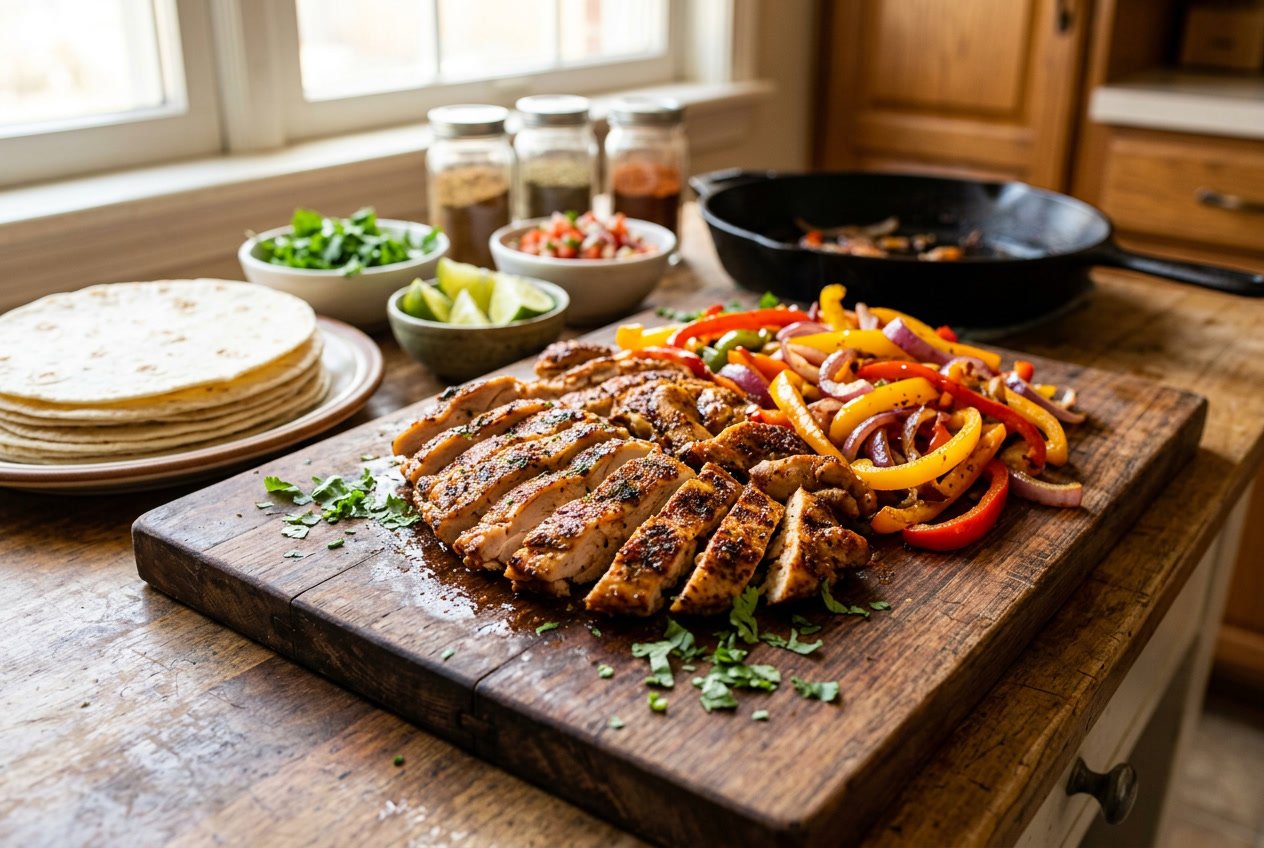
This guide shows how to pick and prep thighs, build a simple marinade or seasoning, and cook them so peppers and onions reach the right doneness. You’ll also find tips for assembly, topping choices, and storing or reheating leftovers.
Why Use Chicken Thighs for Fajitas?
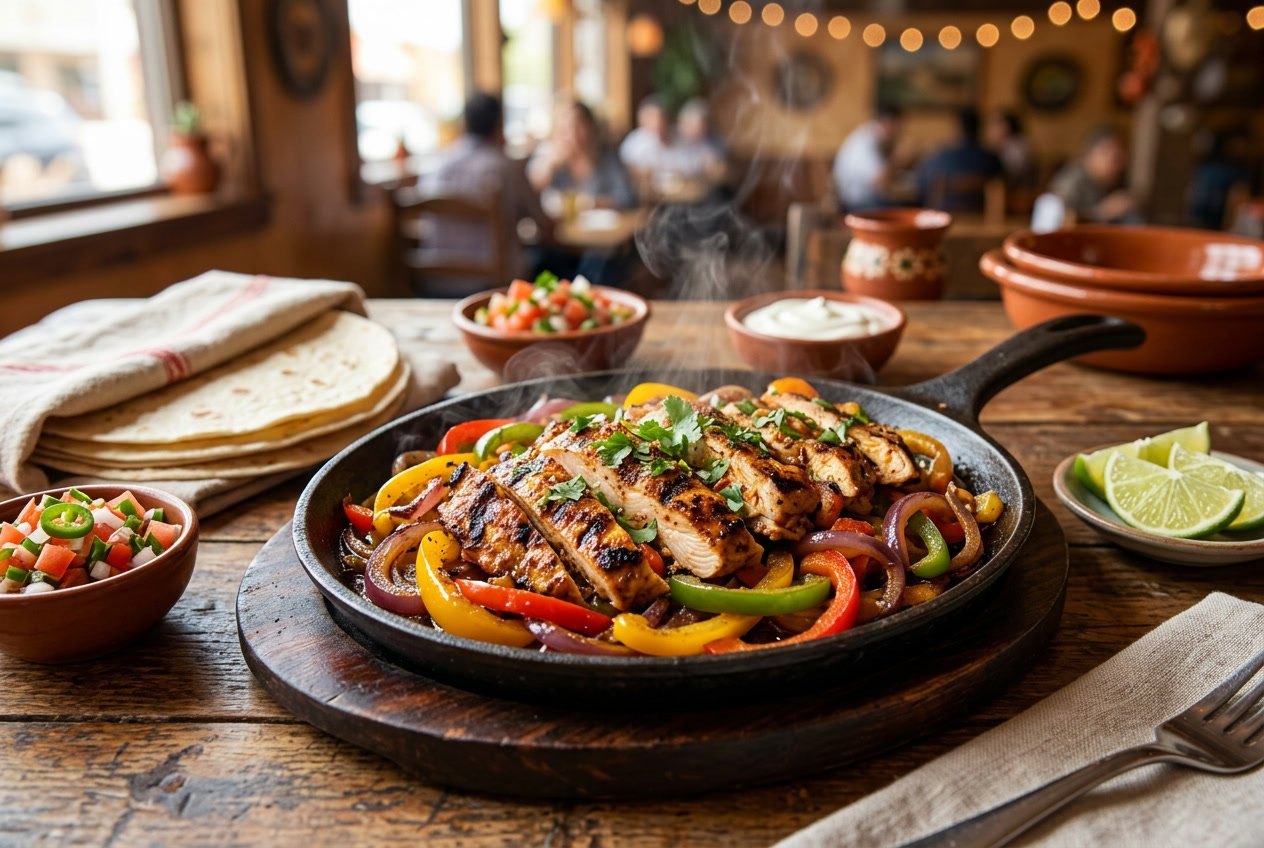
Chicken thighs give you richer flavor and better texture when sliced and tossed with peppers and onions. They hold moisture through high-heat searing and quick broiling, so you get juicy strips that char without drying out.
Flavor and Juiciness Compared to Other Cuts
Chicken thighs contain more intramuscular fat and connective tissue than breast meat, which gives a deeper savory flavor after marinating and cooking. When you marinate boneless skinless chicken thighs in lime, oil, and spices, the meat absorbs and holds those flavors more effectively than lean breast.
Thighs stay juicier during high-heat methods like skillet searing or broiling. When you slice them for chicken fajitas, the pieces retain a succulent mouthfeel and better browning at the edges.
Cost Effectiveness for Home Cooks
Boneless skinless chicken thighs usually cost less per pound than chicken breasts. Buying thighs stretches your food budget without sacrificing portion size or flavor.
Thighs also reduce waste. Their forgiving nature lets you cook a bit longer without drying, which lowers the chance of ending up with overcooked meat. For feeding groups or prepping sheet-pan chicken fajitas, thighs deliver reliable results at a lower price point.
Texture and Moisture Benefits
The collagen and slightly higher fat content in thighs break down under heat to keep meat tender. You get tender, slightly silky slices that still crisp at the edges when cooked on a hot cast-iron skillet or half-sheet pan.
Because thighs tolerate acidic marinades and repeated high-heat exposure, you can marinate for flavor and finish by searing or broiling without creating dry, crumbly pieces. For fajitas with chicken thighs, that balance of tender interior and charred exterior produces the best texture in tortillas.
Selecting and Preparing Chicken Thighs
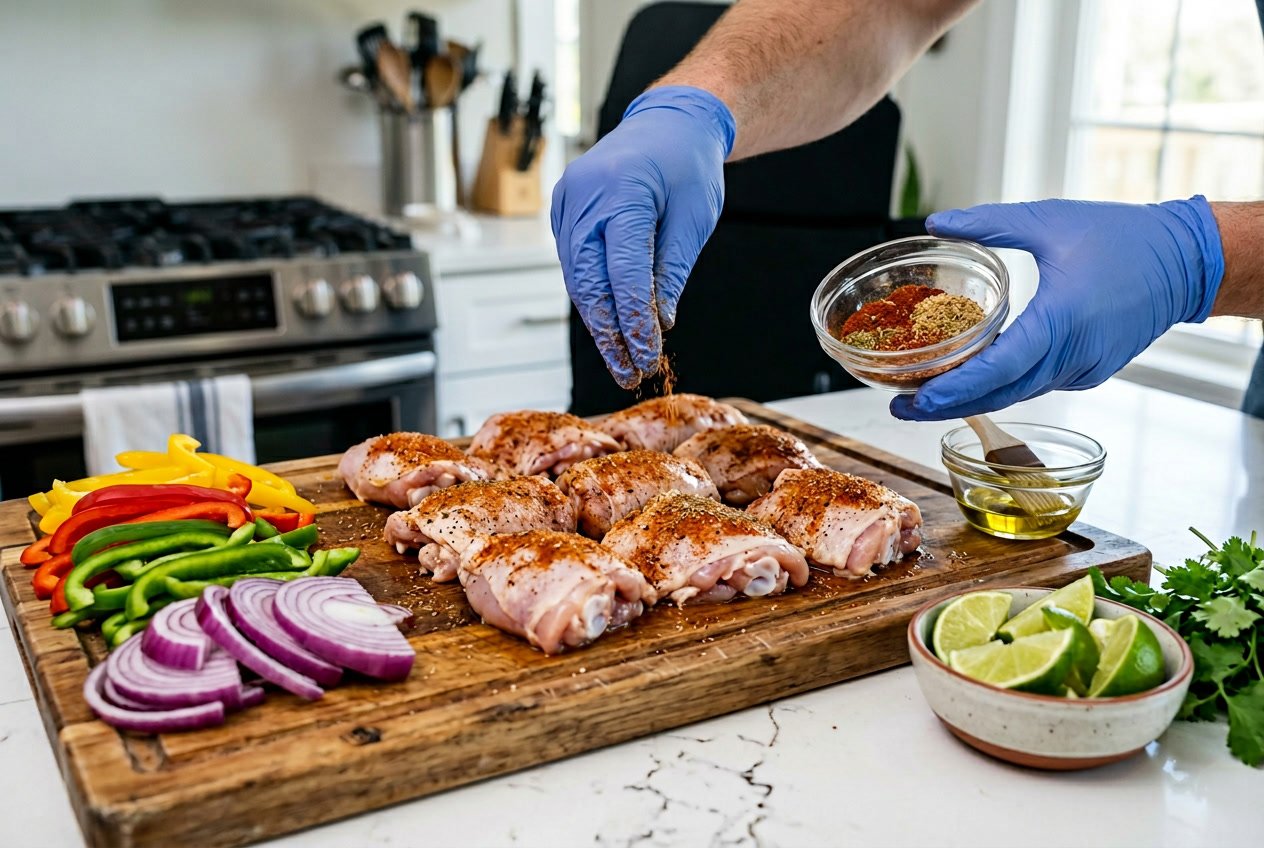
Choose thighs that are uniform in size and free of excess fat so they cook evenly and brown well. Trim any connective tissue, pat the pieces dry, and slice to consistent widths for predictable cooking times.
Choosing Boneless Skinless Chicken Thighs
Pick boneless, skinless chicken thighs for faster prep and even cooking. Look for pieces that are roughly the same weight (4–6 ounces each) so they finish at the same time.
If thighs vary widely, separate the larger pieces or pound them to an even thickness of about 1/2 inch to prevent overcooking. Buy thighs with a fresh, pale pink color and no strong odor.
Vacuum-sealed packs often keep shape and moisture better than loose trays. If you prefer richer flavor, keep the skin on for other recipes, but remove it for fajitas to avoid excess grease and to help seasonings adhere.
Trimming and Slicing Tips
Work on a stable cutting board with a sharp chef’s knife to get clean, consistent cuts. Trim off silver skin and large fat pockets; leave a thin layer of fat for flavor if you want juicier results.
Pat the thighs dry with paper towels because dry surfaces brown instead of steaming. Slice across the grain into strips about 1/2 inch thick for classic fajitas.
For bite-sized pieces, first slice into 1/2-inch strips then cut across into 1-inch chunks. Keep pieces uniform for even cooking.
Aim for strips roughly the width of your thumb. A sharp, non-serrated blade makes this fastest and reduces shredding.
Fresh vs Frozen Chicken Thighs
Fresh thighs brown faster and give a slightly firmer texture, which can yield better char and more pronounced seasoning. Buy fresh if you plan to cook within 24–48 hours for best results.
Frozen thighs work fine if fully thawed in the refrigerator before trimming and slicing. Never cut partially frozen meat; it tears instead of slicing cleanly.
If using previously frozen thighs, pat them very dry and allow 10–15 minutes at room temperature after slicing to reduce chill in the pan. Use thawed thighs promptly; refreezing after thawing harms texture and flavor.
Fajita Seasoning and Marinade Techniques
Use a balance of acid, oil, and spices to tenderize and flavor chicken thighs. Prioritize salt, cumin, chili, garlic, and lime.
Homemade Fajita Seasoning vs Store-Bought
Making your own fajita seasoning gives you control over salt, heat, and freshness. A simple blend—2 tbsp chili powder, 1 tbsp ground cumin, 1 tbsp smoked paprika, 1 tsp garlic powder, 1 tsp onion powder, 1 tsp salt, and 1/2 tsp black pepper—covers the basics.
Toast whole spices briefly, then grind for brighter flavor. Store-bought mixes save time and are consistent, but they often contain added salt, sugar, or anti-caking agents.
Read labels and pick low-sodium options if you plan to marinate for long periods. Use homemade when you want to tweak heat or omit sugar.
Use store-bought for quick weeknight prep or when you need exact portioning.
Best Fajita Marinade for Chicken Thighs
Chicken thighs benefit from a marinade with acid, oil, and aromatics to penetrate the meat. Combine 3 tbsp lime juice, 2 tbsp olive oil, 1 tbsp soy or Worcestershire, 2 cloves minced garlic, 1 tsp ground cumin, 1 tsp smoked paprika, 1/2 tsp chili powder, and 1 tsp salt.
The acid (lime) tenderizes, oil carries fat-soluble flavors and helps sear, and soy or Worcestershire deepens savory notes. Add 1 tbsp honey if you want slight caramelization on the grill or skillet.
Marinate in a nonreactive container or zip-top bag and press out excess air. Reserve a portion of marinade only if you plan to use it as a sauce. Boil any used marinade before using it on cooked meat.
How Long to Marinate for Maximum Flavor
For boneless, skinless chicken thighs, marinate 30 minutes to 4 hours for optimal flavor and texture. Thirty minutes gives surface flavor and helps with browning.
Two to four hours lets the acid and aromatics penetrate while keeping the meat tender. Avoid marinating longer than 12 hours when lime or citrus is the main acid; prolonged exposure can make the surface mushy.
Always refrigerate while marinating. Discard used marinade or boil it for at least 2 minutes before applying to cooked meat.
Using Taco Seasoning as an Alternative
Taco seasoning can substitute for fajita seasoning with minor adjustments. Taco blends often emphasize oregano and chili, which works well for fajitas.
Use taco seasoning at a slightly reduced ratio—about 3/4 of the amount you’d use of homemade fajita seasoning—to avoid overpowering the thighs. If using taco seasoning as a marinade base, add acid (lime juice) and oil to help flavor penetration and searing.
Add minced garlic and a splash of soy or Worcestershire for added depth. Taste and adjust salt before marinating, since premade taco mixes often contain higher sodium.
How to Cook Chicken Thigh Fajitas
Focus on quick, high-heat cooking for juicy, browned thighs and crisp-tender peppers. Marinate at least 30 minutes, pat meat dry, and use hot cookware or grill to build flavor and avoid steaming.
Stovetop and Skillet Methods
Trim and cut boneless, skinless chicken thighs into 1/2–3/4 inch strips for even cooking. Toss them with oil, lime juice, and fajita seasoning. Marinate 30 minutes to overnight.
Preheat a heavy skillet over medium-high until shimmering. Add a thin coat of oil, then sear chicken in a single layer without crowding; work in batches if needed.
Cook 3–5 minutes per side until internal temp reaches 165°F and edges caramelize. Remove chicken and let it rest 3–5 minutes.
Sauté sliced bell peppers and onions in the same pan. Cook 4–6 minutes until crisp-tender and slightly charred.
Return chicken, toss to coat, and finish with fresh lime juice and chopped cilantro. Serve with warm tortillas and toppings.
Sheet Pan and Oven Options
Arrange 1-inch-thick thigh strips on a rimmed sheet pan with sliced peppers and onions. Toss everything with oil and seasoning.
Preheat oven to 425°F (220°C). Spread ingredients in a single layer with space between pieces.
Roast 18–25 minutes, flipping once halfway, until thighs reach 165°F and vegetables have browned edges. Broil 1–2 minutes at the end if you want extra char.
Sheet-pan fajitas suit batch cooking and meal prep. Cook tortillas in the oven during the last few minutes to warm them.
For best texture, avoid overcrowding; use two pans if necessary.
Grilling Techniques
Preheat the grill to medium-high (about 400–450°F). For direct grilling, butterfly or thinly slice thighs so they cook quickly and evenly.
Marinated whole thighs also work; grill over direct heat 6–8 minutes per side, flipping once. Use a grill basket or foil packet for sliced peppers and onions to prevent them from falling through grates.
Grill vegetables over direct heat until charred and tender, about 6–8 minutes, stirring occasionally. For a smoky finish, move chicken to indirect heat and let rest 3–5 minutes after grilling.
Check internal temperature (165°F) rather than relying on time. Slice thighs against the grain for tender strips.
Finish with a squeeze of lime and serve with warm tortillas.
Assembling and Serving Fajitas
Keep your cooked chicken thighs hot, prepare vibrant peppers and onions, warm the tortillas, and set out toppings so everyone builds their own fajitas.
Focus on texture: slightly charred veggies, tender sliced thighs, and pliable warm tortillas.
Sautéing Bell Peppers and Onions
Slice bell peppers into 1/4–1/2-inch strips and cut onions into similar-width slices for even cooking. Heat a large skillet over medium-high heat, add 1–2 tablespoons oil, then add the onions first for 2–3 minutes to begin softening.
Add the peppers, season with salt, black pepper, and a pinch of cumin or fajita seasoning. Cook without overcrowding; let the vegetables develop light char marks, stirring every 1–2 minutes until peppers are tender-crisp (about 6–8 minutes total).
Finish with a squeeze of lime and a tablespoon of chopped cilantro if you like. Toss sliced chicken thighs back in just long enough to reheat and combine flavors; avoid overcooking the chicken.
Choosing Between Flour and Corn Tortillas
Flour tortillas offer pliability and hold up well to juicy fillings, making them the common choice for fajitas. Choose 8-inch flour tortillas when you want to fold without tearing, especially if your chicken thighs are saucy or you add creamy toppings.
Corn tortillas give a more authentic, slightly firmer bite and a distinct corn flavor. Use warmed 6–7 inch corn tortillas if you prefer smaller, stackable servings or are limiting gluten; double-stack them to prevent tearing.
Consider texture and toppings: creamy sauces and melted cheese pair better with flour, while simple toppings like salsa, onion, and cilantro pair well with corn.
Warming and Serving Tortillas
Warm tortillas just before serving to keep them flexible and prevent cracking.
Heat a dry cast-iron skillet over medium and warm each tortilla 20–30 seconds per side until soft and slightly charred. Stack warmed tortillas in a clean kitchen towel to retain heat.
To use a microwave, stack 6–8 tortillas, wrap in a damp paper towel, and microwave 30–45 seconds.
For a crowd, keep tortillas warm in a low oven (200°F/95°C) wrapped in foil.
Serve tortillas on a platter or in a tortilla warmer. Place sliced chicken thighs, sautéed bell peppers and onions, and bowls of toppings nearby so everyone can assemble their own fajita.
Fajita Toppings and Serving Suggestions
Balance heat, creaminess, crunch, and acid to make chicken-thigh fajitas vibrant.
Choose a few bold toppings and some fresh garnishes so each bite feels layered and bright.
Classic and Creative Fajita Toppings
Offer toppings that pair well with the richer flavor of chicken thighs: sliced avocado or guacamole, sour cream or Mexican crema, shredded cheddar or Monterey Jack, and fresh cilantro.
These toppings add creaminess, salt, and herb brightness.
Add heat and texture with pickled jalapeños, hot sauce, or a quick slaw of shredded cabbage tossed with lime and salt.
Try crumbled queso fresco, charred pineapple for sweetness, or grilled halloumi for a salty, chewy contrast.
Keep toppings in separate bowls so guests can customize.
Corn Salsa and Fresh Garnishes
Make a fresh corn salsa with grilled or charred corn kernels, diced red onion, chopped jalapeño, cilantro, and lime juice for a sweet-smoky pop.
Add diced tomato or roasted poblano for color and extra depth. Season with salt and a pinch of cumin to echo fajita spices.
Use garnishes sparingly and with intention. Lime wedges add acidity, thinly sliced radishes bring crunch, and microgreens or extra cilantro offer freshness.
Store salsa chilled and add it just before serving to keep corn crisp and flavors bright.
What to Serve with Fajitas
Complement your fajitas with warm tortillas—corn or flour—heated on a skillet and wrapped in a towel to stay pliable.
Offer two tortilla sizes so people can choose tacos or burrito-style wraps.
Serve sides like cilantro-lime rice, black or refried beans, and chips with guacamole or salsa.
For a lighter option, serve a simple green salad with lime vinaigrette or a cucumber–tomato salad for a cooling contrast.
Leftovers, Storage, and Reheating Tips
Cool cooked chicken thigh fajitas quickly and store them in airtight containers.
Reheat only the portion you’ll eat to preserve texture and safety.
Use shallow containers for rapid cooling and label with the date.
Storing Chicken Thigh Fajitas
Cool fajitas to room temperature within 2 hours after cooking.
Transfer to shallow, airtight containers and refrigerate at or below 40°F (4°C).
Eat within 3–4 days. For longer storage, separate the chicken and vegetables from tortillas and freeze in freezer-safe bags or containers for up to 2–3 months.
Press out excess air from freezer bags and lay flat to save space and speed thawing.
Thaw frozen fajitas overnight in the fridge to avoid bacterial growth.
Ideas for Using Leftover Fajitas
Reheat only the portion you’ll eat to keep leftovers fresher longer. Cover the leftovers with foil and heat them in the oven at 350°F for 10–15 minutes.
Alternatively, warm them on the stovetop in a skillet with a splash of water or broth for 3–5 minutes until the chicken reaches 165°F (74°C).
Try these ways to use leftover fajitas:
- Serve them over warmed brown rice with black beans and avocado for a rice bowl.
- Fold chopped fajita chicken and peppers into scrambled eggs for a breakfast scramble.
- Place the filling between tortillas with cheese and cook in a pan until golden for quesadillas.
Check leftovers for off smells, sliminess, or discoloration before reheating. Discard them if you notice any of these signs.


