
Can You Use Chicken Thighs for Cutlets? Easy Juicy Alternatives
You can use chicken thighs for cutlets. They give you juicier, more flavorful results than breast meat when you debone and flatten them properly.
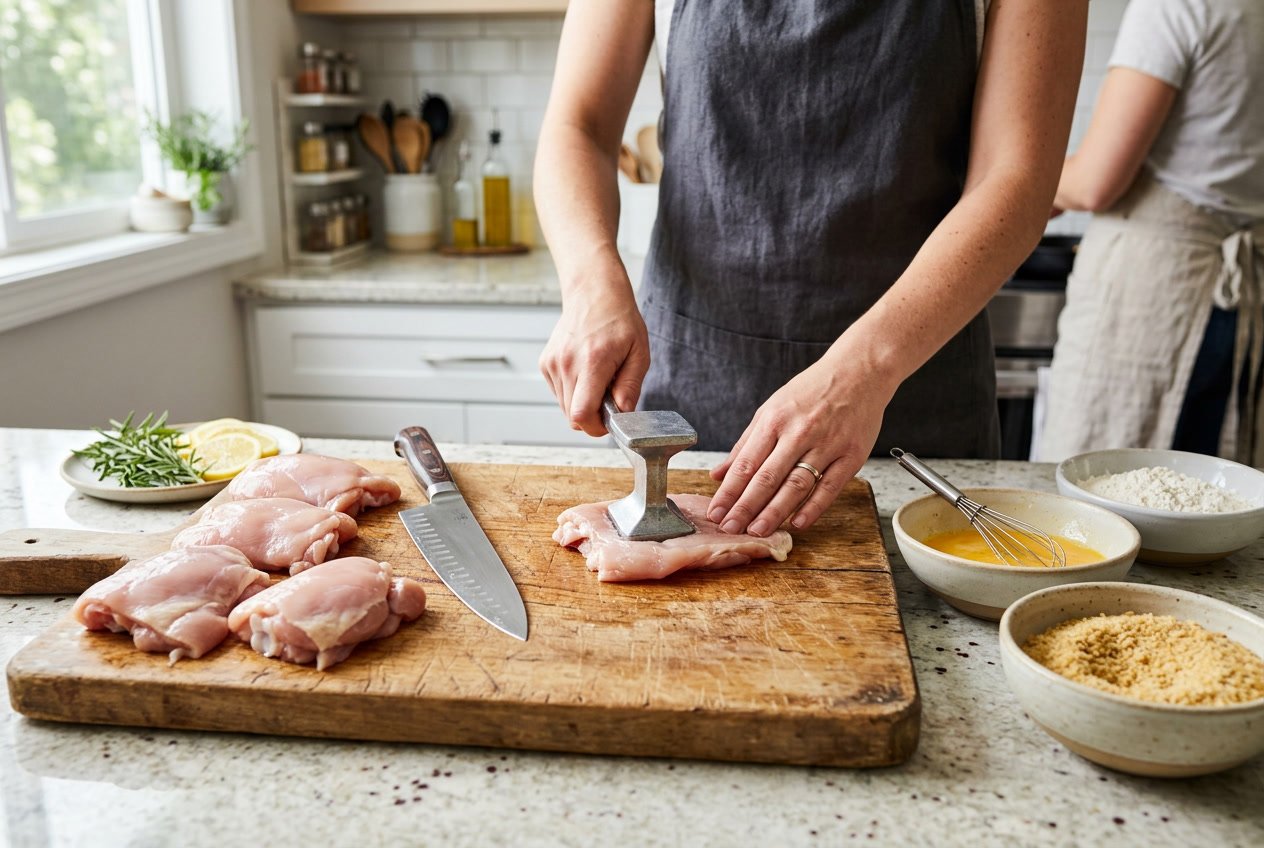
Debone and pound thighs to even their thickness so they cook quickly and predictably. You can fry, bake, or sauté them.
This guide explains which thigh types work best and how to prep them for consistent results. You’ll also get simple cooking methods and flavor ideas.
Expect step-by-step prep tips. You’ll also find temperature and timing guidance for baking and pan-frying, plus a few seasoning combinations that highlight the thigh’s richer taste.
Can You Use Chicken Thighs for Cutlets?
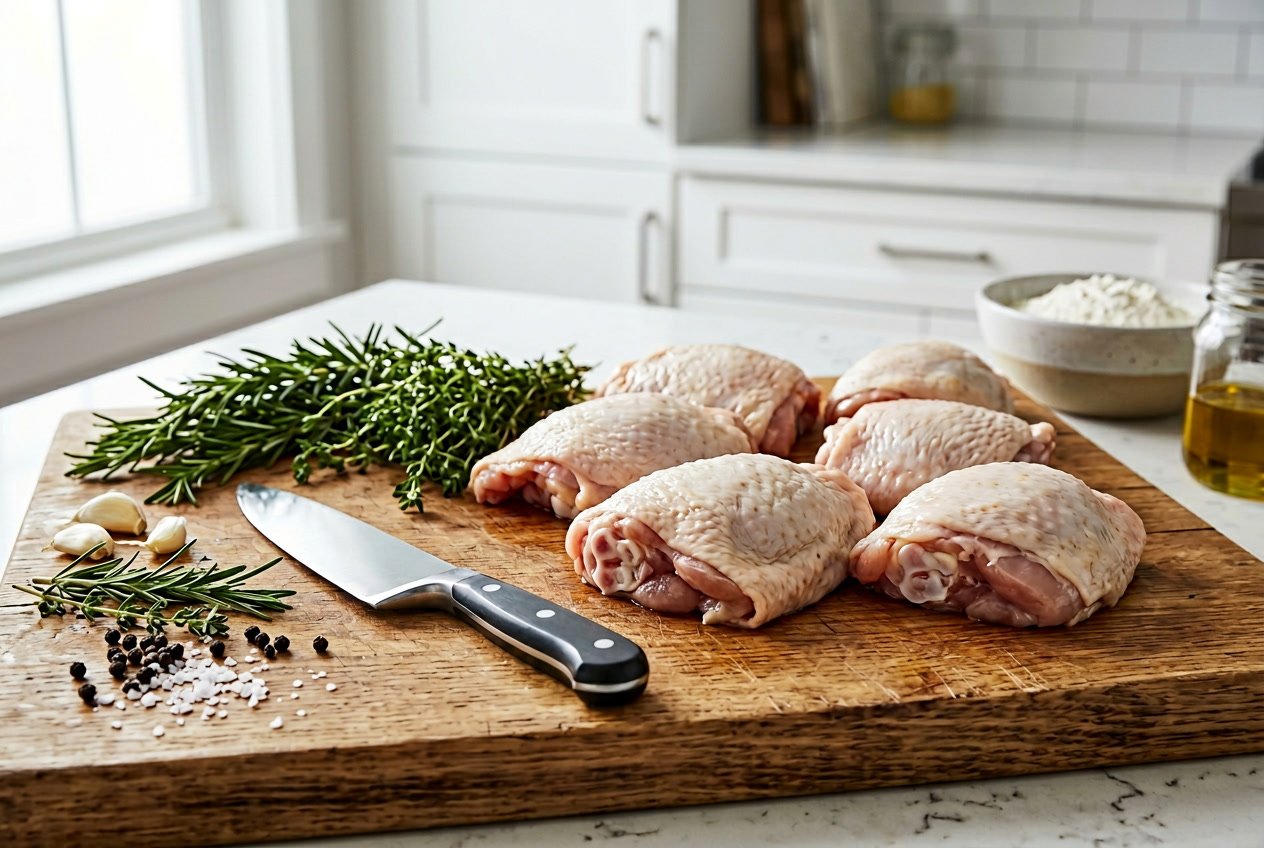
You can use chicken thighs to make cutlets by deboning and flattening them. They deliver more flavor and juiciness than breast meat but require a slightly different approach for even cooking and a good crust.
Expect a shorter tolerance for overcooking, a need to trim fat and skin, and options to bake or pan-fry depending on thickness.
How Chicken Thighs Compare to Chicken Breasts for Cutlets
Chicken thighs are darker, fattier, and more forgiving than pounded chicken breasts. When you debone and butterfly or pound boneless chicken thighs, they retain moisture better and resist drying.
That makes them ideal if you want a juicier cutlet that stays tender after frying or baking.
Texture and cook time differ. Thigh meat is looser-grained and may need a gentler, slightly longer cook than a thin breast cutlet to reach 165°F safely without burning the coating.
You’ll also notice flavor differences. Thighs bring a richer, savory profile that stands up well to bold breading and sauces.
Remove bone and excess skin, and aim for uniform thickness (about 1/4–1/2 inch). Use a meat mallet or the butterflying technique to get even pieces and avoid undercooked centers or overbrowned crusts.
Benefits of Using Chicken Thighs for Cutlets
You get more flavor and juiciness using chicken thigh cutlets. The higher fat content keeps the interior moist even when you crisp the exterior.
Thighs are cost-effective. Boneless chicken thighs typically cost less per pound than breasts, letting you make more servings on a budget.
They pair well with hearty coatings like panko, seasoned breadcrumbs, or parmesan mixes because the meat’s flavor isn’t overwhelmed.
Thigh cutlets work for frying, oven-baking at 400°F, or shallow sautéing. You can bread them traditionally, oven-roast for a lower-fat finish, or use them in sandwiches and salads without losing moisture.
Potential Drawbacks and Considerations
Thighs contain more fat and connective tissue than breasts, which can affect coating adhesion and crispiness. Trim excess fat and pat pieces dry to help breadcrumbs stick and to achieve even browning.
Uniform thickness is harder to achieve. Thighs are irregularly shaped, so you’ll need to butterfly or carefully pound them to about 1/4–1/2 inch.
Uneven pieces can lead to a greasy exterior before the center reaches 165°F, or burnt crumbs and undercooked meat.
Flavor and nutrition differ from pounded chicken breasts. If you want a lean, mild-tasting cutlet for delicate sauces, thighs may overpower the dish.
Also account for slightly higher calories and fat when planning sides or portion sizes.
Types of Chicken Thighs for Cutlets
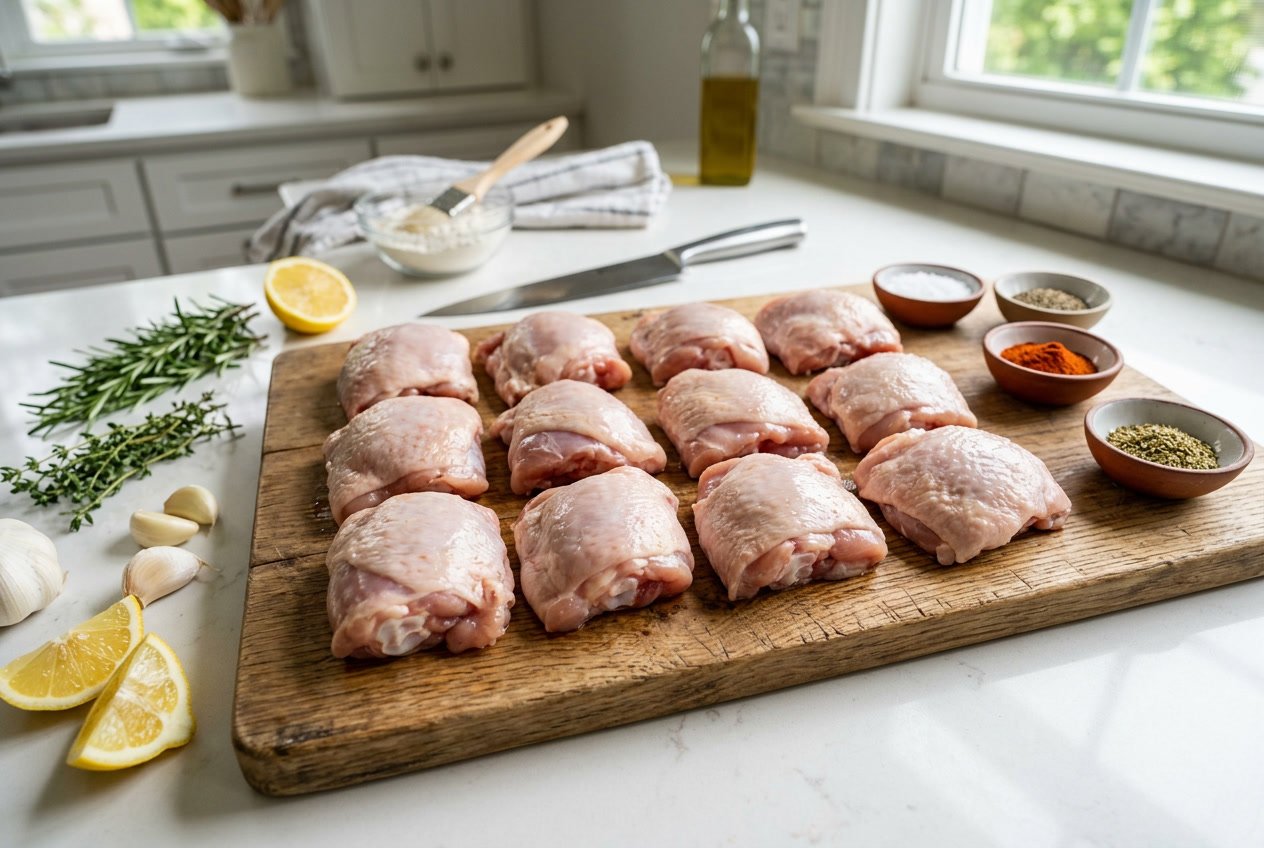
Choose thighs based on how much prep you want and the texture you prefer. Boneless, bone-in, and skinless options each affect cooking time, browning, and juiciness.
Boneless vs. Bone-In Chicken Thighs
Boneless chicken thighs save you time. You can pound them thin to a uniform thickness, which shortens frying or pan-searing to about 3–4 minutes per side and ensures even doneness.
They bread and crisp predictably, so they work well for classic cutlet techniques (flour, egg, breadcrumbs).
Bone-in chicken thighs retain more flavor and moisture during longer cooking, but they are harder to use as cutlets. You must debone and often remove the skin before pounding.
Leaving the bone prevents even flattening and slows cook time. If you prefer a juicier result, debone and then pound the thigh into a cutlet.
Expect slightly irregular shapes and adjust cooking time to avoid undercooking near thicker areas.
Skinless Chicken Thighs for Cutlets
Skinless chicken thighs give you leaner cutlets with less splatter when frying. Without skin, the breading adheres more directly to the meat, producing a thinner crust and a cleaner texture.
If you want a crispier exterior, pat the thighs very dry and press the breadcrumbs firmly so they form a tight coating.
Skinless thighs also make portion control easier because they come ready to trim and pound. They still contain more fat than breast cutlets, so they remain forgiving and resist drying out.
Monitor internal temperature to hit 165°F. For uniform results, use thigh cutlets that are similar in size or trim larger ones before pounding.
How to Prepare Chicken Thighs for Cutlets
Remove bone and skin, then flatten the meat to an even thickness for quick, consistent cooking. Proper trimming and gentle pounding keep the thighs tender and make them behave like pounded chicken breasts in recipes.
Deboning and Skinning Chicken Thighs
Start with boneless chicken thighs or remove the bone from bone-in thighs using a sharp boning knife. Slide the knife along the bone, keeping the blade tight to the bone to avoid wasting meat.
Trim visible fat and silver skin. Leave a thin layer of fat if you want extra juiciness.
For skin-on thighs, peel the skin away by gripping an edge and cutting any connective tissue that holds it. Pat dry thoroughly with paper towels.
Dry meat browns better and holds breading more securely. If you plan to use skinless chicken thighs as cutlets, check for small bone fragments and remove them with tweezers.
Portion larger thighs into even pieces so each cutlet cooks in the same time.
Pounding and Flattening Techniques
Place each thigh between two sheets of plastic wrap or in a zip-top bag to prevent tearing and mess. Use a heavy skillet, meat mallet, or rolling pin and strike gently from the center outward until the thickness reaches about 1/4 inch for quick frying or 1/2 inch for baking.
Aim for even thickness rather than paper-thin uniformity. Uneven spots cause overcooking.
For chicken thigh cutlets that mimic pounded chicken breasts, pound horizontally to make wider, thinner pieces suitable for schnitzel or Milanese styles.
Rest the flattened cutlets on a tray for 5–10 minutes before seasoning or breading. This brief rest lets the surface dry slightly and helps coatings adhere.
Classic Chicken Thigh Cutlet Methods
These methods help you get an even thickness, a stable breading, and fully cooked, juicy thighs with a crisp exterior. You’ll find exact steps for breading and frying, plus how to adapt thigh cutlets for a classic parmigiana.
Breaded and Fried Chicken Thigh Cutlets
Trim excess fat and remove any connective tissue from boneless, skinless thighs. Pound each thigh to about 1/4–1/2 inch thickness between plastic or parchment to ensure even cooking and consistent crust adhesion.
Set up a three-station breading line: seasoned flour, beaten egg (add a tablespoon of water or milk), then panko or seasoned breadcrumbs mixed with salt, pepper, and grated Parmesan.
Dredge in flour, shake off excess, dip in egg, then press into breadcrumbs. Let the coated cutlets rest 5–10 minutes so the crust adheres.
Heat 2–3 tablespoons neutral oil in a skillet over medium-high heat until shimmering. Fry 3–4 minutes per side for 1/4-inch cutlets, adjusting time for thicker pieces; internal temp should reach 165°F.
Drain on a rack to maintain crispness. For less oil, use an air fryer at 375°F for 12–15 minutes, flipping halfway and spraying lightly with oil.
Chicken Parmigiana Using Thigh Cutlets
Use the same trimmed, pounded thigh cutlets and the identical breading sequence to start. After frying until golden, transfer cutlets to a baking dish large enough to fit them in a single layer.
Top each cutlet with 1/3–1/2 cup warmed marinara and a slice or 1/4–1/3 cup shredded mozzarella. Sprinkle 1–2 tablespoons grated Parmesan over the top.
Bake at 375°F for 8–12 minutes until cheese melts and edges bubble; internal temp should still be 165°F. For a broiler finish, move under high broil 1–2 minutes to brown the cheese, watching closely to avoid burning.
Serve on spaghetti, in a sandwich, or with a simple salad. Thigh cutlets give a richer mouthfeel than breast cutlets, so reduce added fats in the sauce or sides to balance the meal.
How to Bake Chicken Thigh Cutlets
Baked chicken thigh cutlets cook quickly and stay juicy when you control thickness, oven temperature, and timing. Prepare thin, even cutlets, season or bread them, and bake at a high temperature until they reach 165°F internal.
Step-By-Step Baked Chicken Thigh Cutlet Instructions
-
Prepare the cutlets.
- Use boneless, skinless thighs. Slice horizontally into 1/4–1/2-inch cutlets or butterfly and gently pound between plastic until even.
- Pat dry with paper towels to help seasoning and browning stick.
-
Season or bread.
- For simple seasoning: brush with oil and rub with salt, pepper, garlic powder, and smoked paprika.
- For breaded: dredge in flour, dip in beaten egg, then coat with panko or breadcrumbs mixed with Parmesan and herbs.
-
Arrange for baking.
- Place cutlets on a rimmed baking sheet lined with parchment or a wire rack set over the sheet for crisping.
- Leave space between pieces so hot air circulates.
-
Bake and check.
- Preheat oven to 400°F. Bake 16–22 minutes, flipping once halfway if not on a rack.
- Use an instant-read thermometer; remove at 165°F. Let rest 3–5 minutes before serving.
Tips for Baking Juicy and Tender Thigh Cutlets
Control thickness to ensure even cooking. Thinner cutlets (1/4–1/2 inch) finish quickly and stay tender.
Use moderate-high heat for exterior color without overcooking. 400°F gives a crisp edge while preserving moisture.
Baking on a wire rack raises cutlets above drippings for crisper bottoms. Don’t skip resting. Carryover heat evens temperature and keeps juices in the meat.
Rest for 3–5 minutes on a warm plate. For extra moisture, brine for 30 minutes in 1/4 cup salt per quart of water.
Or brush with a little oil or melted butter before baking to improve browning and mouthfeel. If you bread the cutlets, choose panko for lighter crunch.
Spray or brush lightly with oil before baking to help the crust turn golden.
Flavor Variations and Serving Ideas
You can take chicken thigh cutlets in many directions by changing seasonings, breadcrumbs, and accompaniments. Focus on contrasts: crisp exterior vs. juicy interior, bright acid vs. rich sauce, and familiar global flavor profiles.
Seasoning and Breadcrumb Choices
For a classic breaded chicken cutlet, use a 3-step dredge: flour, beaten egg, and breadcrumbs. Season each layer—salt and pepper in the flour, a splash of hot sauce or mustard in the egg, and herbs or grated Parmesan in the breadcrumbs.
Panko yields the crispiest texture. Italian-style crumbs give herb-forward notes.
Crushed cornflakes or potato chips produce an extra-crunch, budget-friendly crust. For thigh cutlets, increase salt slightly and add umami boosters like garlic powder, smoked paprika, or a teaspoon of soy sauce in the egg wash.
For gluten-free options, use crushed rice crackers, almond meal, or a chickpea-flour batter. For an herbaceous non-breaded route, rub thighs with lemon zest, rosemary, and olive oil and pan-sear for a quick, crisp result.
Meal Pairings and Creative Uses for Cutlets
Serve a breaded chicken thigh cutlet with a simple pan sauce such as brown butter-lemon, caper-anchovy, or tomato-simmered mushrooms. These sauces add acidity and cut richness.
Pair the cutlet with sides that balance texture, like creamy mashed potatoes or sautéed greens. A bright arugula-fennel salad with sherry vinaigrette also works well.
For starches, try garlic-herb rice or a pearl couscous pilaf.
Use cutlets in sandwiches by placing a warm breaded thigh cutlet on ciabatta with slaw and spicy mayo for a hearty lunch.
Slice and fold the cutlet into tacos with pickled red onion and crema for a quick, global twist.
Bake breaded thigh cutlets for meal prep and store them sealed. Reheat briefly in a 400°F oven to restore crispness.


