
Can You Pull Chicken Thighs? Expert Guide to Shredded Chicken
You can pull chicken thighs, and they often yield juicier, more flavorful shredded meat than breasts.
Bone-in, skin-on thighs hold moisture and break down connective tissue during slow cooking. This gives you tender, easy-to-shred meat that works well in sandwiches, tacos, and salads.
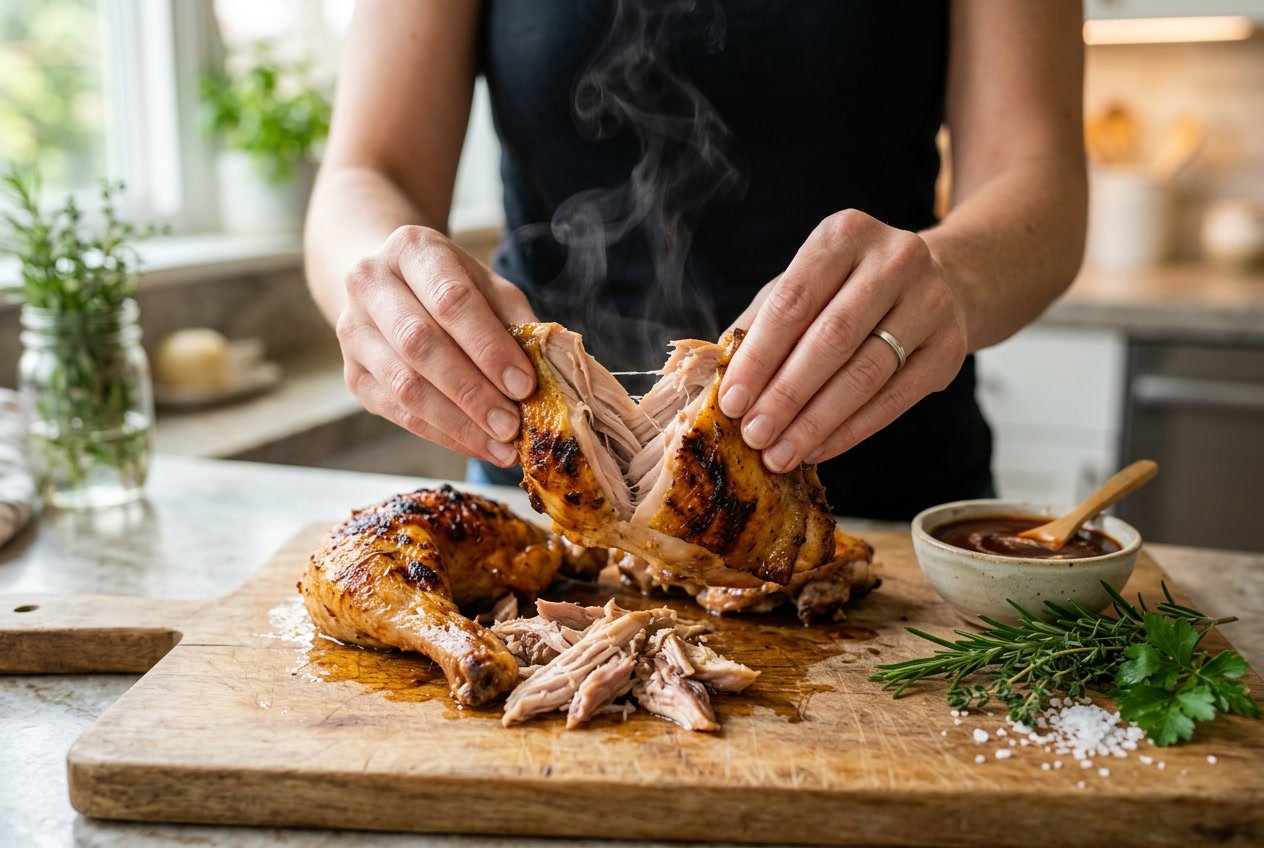
Choose the right thighs, use simple seasoning, and pick the best cooking method for consistent results in the oven, slow cooker, or Instant Pot.
You’ll get guidance on shredding techniques, quick recipe ideas, and tips for storing and reheating so your pulled chicken stays juicy and versatile.
Can You Pull Chicken Thighs?

You can pull chicken thighs to make tender, shredded chicken that holds sauce and stays moist.
Thighs tolerate long cooking and absorb flavors well, making them great for tacos, sandwiches, and salads.
Why Chicken Thighs Work Well
Chicken thighs have more fat and connective tissue than breasts. This breaks down into gelatin during cooking and keeps the meat moist when shredded.
Bone-in, skin-on thighs add extra flavor during braising or slow cooking, as the marrow and skin render into the cooking liquid.
You can use boneless skinless chicken thighs for convenience, but they need careful timing or extra liquid to avoid drying.
Aim for an internal temperature of about 165°F (74°C) and a fork-tender feel before pulling.
Slow cooker, smoker, or braising methods work best for shredding.
Pulled Chicken Thighs vs. Pulled Chicken Breasts
Pulled chicken thighs and breasts both make good shredded chicken, but they differ in moisture and flavor.
Thighs stay juicier because of higher fat content; breasts are leaner and can turn stringy if overcooked.
If you use chicken breasts, add liquid or sauce and stop shredding as soon as the meat yields to avoid dryness.
Boneless skinless chicken thighs are easier to handle than bone-in thighs but are still more forgiving than breasts.
Choose thighs for BBQ, stews, or recipes that need richer mouthfeel.
Choose breasts when you want a lighter protein and plan to keep them moist with sauce or short cooking times.
Texture and Flavor Benefits
When you pull chicken thighs, the shredded strands capture sauce and seasoning better than whole pieces.
The texture of thigh meat holds onto BBQ sauce, vinaigrette, or braising liquid, improving every bite.
Thighs develop deeper savory notes from rendered fat and dissolved collagen.
This gives a richer flavor compared with the milder taste of breasts.
Shred while the meat is warm but not scalding.
Use two forks, meat claws, or a stand mixer for large batches to control shred size.
Choosing the Best Chicken for Pulling
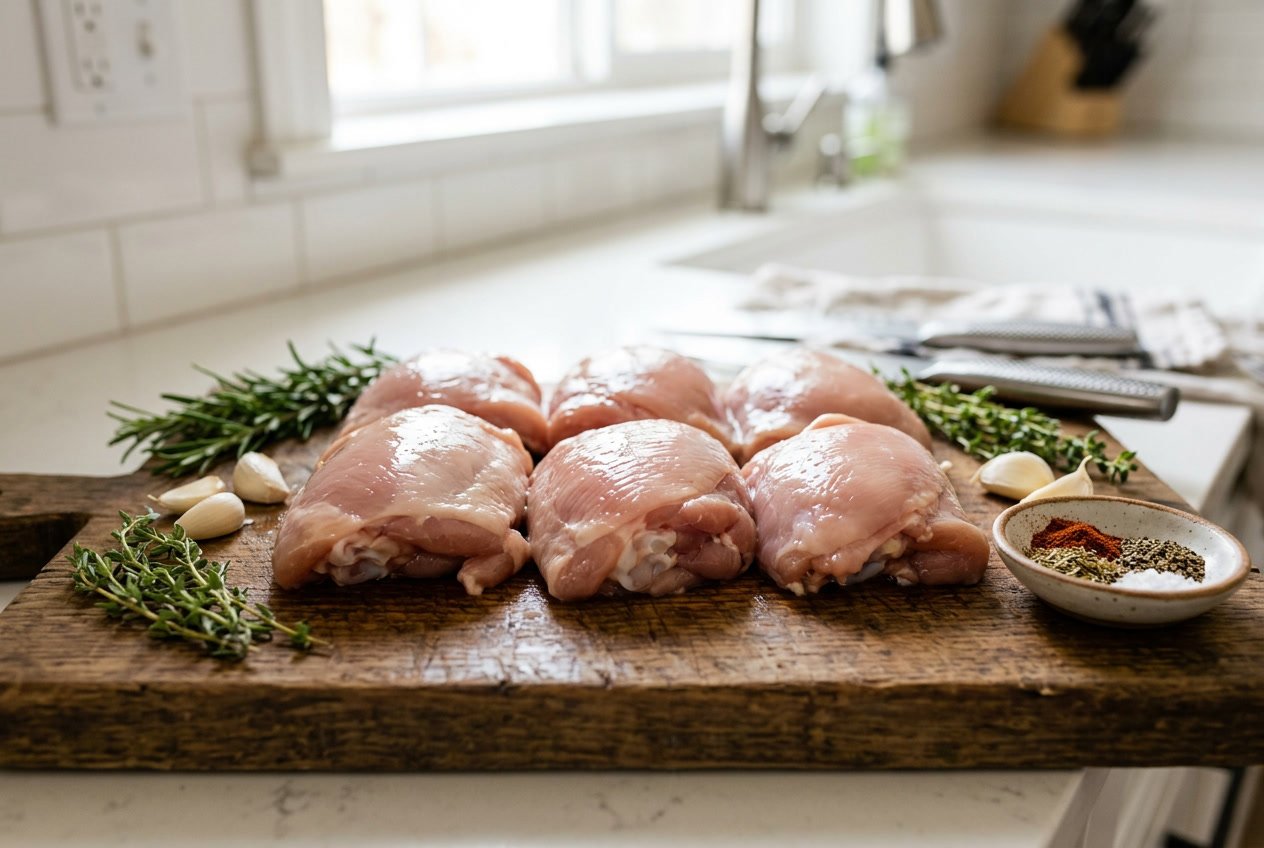
Pick pieces that balance fat, connective tissue, and ease of shredding.
Thighs with some bone and skin give juicy results, while boneless or skinless options speed prep and reduce trimming.
Bone-In vs. Boneless Chicken Thighs
Bone-in thighs give you more flavor and moisture because the bone and tissue release collagen during long, low cooking.
That collagen turns to gelatin, keeping strands cohesive and silky when you shred.
Expect slightly longer cook times and more work removing bones after cooking.
Boneless thighs cook faster and are easier to shred immediately.
They’re a smart choice when you need quick pulled chicken for tacos or salads.
Trim excess fat if you prefer leaner results.
Boneless skinless chicken is leanest and can dry if overcooked, so add extra liquid or sauce during cooking.
Skin-On vs. Skinless Options
Skin-on thighs add flavor and act as a natural basting layer during slow cooking.
The skin melts some fat into the meat, improving mouthfeel and preventing dryness.
If you want crisp edges, broil shredded chicken briefly after cooking, leaving the skin on during cooking and removing bones after shredding.
Skinless thighs reduce saturated fat and make shredding easier if you dislike dealing with skin.
Boneless skinless chicken thighs and breasts both benefit from added moisture, so use broth, sauce, or a short brine.
Chicken breasts are much leaner; they can shred but become stringy unless cooked carefully with plenty of moisture and shorter cook times or pressure cooking.
Selecting Fresh, Organic, or Conventional Chicken
Choose fresh thighs with a light pink color and no off-odor.
Firmness indicates freshness.
Heavier thighs often mean more meat per piece and better yield.
Organic or pasture-raised chicken can offer stronger flavor and firmer texture.
Conventional broilers deliver consistent tenderness and higher yield at a lower cost, ideal for large batches.
If you buy pre-cooked rotisserie chicken, choose plain seasoning to avoid flavor conflicts when you reheat and add sauce.
Seasoning and Flavor Foundations
Use a clear set of spices, rubbing methods, and a simple sauce formula that work with dark meat.
Focus on savory-sweet balance, smoke, and a touch of acid to cut the fat.
Essential Spices for Pulled Chicken Thighs
Start with salt and black pepper as your base.
They control seasoning depth and draw moisture into the meat.
Add garlic powder and onion powder for aromatic backbone without extra moisture.
Use smoked paprika for color and a mild smoke note.
Include cayenne pepper if you want heat; a small amount keeps it noticeable but not overpowering.
For sweetness and crust, sprinkle a little brown sugar in the mix.
It caramelizes during cooking and helps form a flavorful exterior.
A common ratio is 2 parts salt, 2 parts sugar, 1 part paprika, 0.5 part each garlic and onion powder, and a pinch of cayenne.
Adjust to taste.
Dry Rubs and Marinades
Use a dry rub for a concentrated crust and minimal added liquid.
Pat thighs dry, rub evenly, and let rest 30 minutes at room temperature or up to 24 hours refrigerated.
The rub’s salt will penetrate and the brown sugar will help create a pull-apart texture and color during low cooking.
Choose a marinade for deeper flavor and tenderness from acid.
A simple marinade: 1/4 cup apple cider vinegar, 2 tbsp oil, 1 tbsp Worcestershire sauce, and your spice blend.
Marinate 1–6 hours; over 8 hours can start to break down texture.
If you plan to smoke or roast, remove excess marinade and blot dry to help the skin or surface brown evenly.
Homemade Barbecue Sauce Components
Build a versatile sauce with a balance of sweet, acid, umami, and seasoning.
Use a base of ketchup (1 cup) and tomato paste (2–3 tbsp) for thickness and tomato intensity.
Sweeten with brown sugar or honey (2–4 tbsp) to match your taste and to help the sauce glaze the pulled chicken.
Add 2 tbsp apple cider vinegar for bright acidity and 1–2 tsp Worcestershire sauce for savory depth.
Season with garlic powder, onion powder, smoked paprika, and a dash of cayenne for heat.
Simmer 10–15 minutes to meld flavors and reduce slightly.
Adjust salt and sugar at the end.
Toss pulled thighs with the warm sauce, reserving extra to serve on the side.
Cooking Methods for Pulling Chicken Thighs
Pick a method based on time, texture, and how much hands-on work you want.
Each technique aims to produce tender meat that shreds easily while retaining moisture and flavor.
Slow Cooker Techniques
Use bone-in or boneless thighs.
Place thighs in a single layer, add 1/2–1 cup of broth or sauce for every 2 pounds, and season well.
Cook on LOW for 6–7 hours or HIGH for 3–4 hours until the internal temperature reaches 165°F and the meat falls from the bone.
Let sit in the warm cooker 15–20 minutes before shredding for extra tenderness.
Shred with two forks or a paddle in a stand mixer.
Reserve 1/4–1/2 cup cooking liquid per pound and toss with the shredded chicken to keep it moist.
Oven Pulled Chicken
Preheat to 375°F (190°C).
Arrange bone-in thighs skin-side up in a roasting pan, season, and add about 1/2 cup broth or a splash of oil to the pan to prevent drying.
Roast 25–35 minutes until the thickest part reaches 165°F.
If you want more fall-apart texture, cover loosely with foil for the last 10–15 minutes to trap steam and soften connective tissue.
Let the thighs rest 5–10 minutes, remove skin and bones if desired, then shred.
Spoon pan juices back into the shredded meat to boost flavor.
Pressure Cooker and Stovetop Approaches
In a pressure cooker or Instant Pot, add 3/4 cup broth for 2 pounds of thighs.
Cook on high pressure 8–10 minutes for boneless, 10–12 minutes for bone-in, then use a 5–10 minute natural release before quick release.
For stovetop braise, brown thighs in a wide pot first, deglaze with 1 cup broth, then simmer covered on low 25–35 minutes until tender.
Shred while still warm and mix in some of the braising liquid or pressure-cooker juices to maintain juiciness.
Use a slotted spoon to transfer thighs so you can reserve flavorful cooking liquid.
How to Shred Cooked Chicken Thighs
Shredding chicken thighs gives you juicy, bite-sized pieces ready for tacos, salads, soups, or meal prep.
Focus on proper doneness, pick the right tool for the quantity and texture you want, and use simple techniques so the meat stays tender.
Timing and Signs of Doneness
Cook thighs until they reach an internal temperature of 165°F (74°C).
Many prefer 175°F (79°C) when shredding because the extra time breaks down connective tissue and yields more tender meat.
Use a probe thermometer in the thickest part of the thigh to check temperature.
Look for meat that pulls apart with little resistance and appears moist.
If juices run clear and fibers separate when you press with a fork, the thighs are ready.
Let the cooked thighs rest 5–10 minutes before shredding so juices redistribute and the texture firms slightly for easier handling.
Using Forks, Mixers, and Specialty Tools
For 1–2 thighs, use two forks: hold the piece with one fork and rake the other across the grain to create even shreds.
Work on a cutting board or rimmed plate to contain juices.
For larger batches, a hand mixer or stand mixer speeds the job.
Place warm thighs in a deep bowl, start on low, and increase speed until meat pulls apart.
Stop frequently to avoid overprocessing.
Use a food processor or blender only in short pulses for fine, almost paste-like shred.
Cut thighs into 2-inch pieces first.
Specialty tools like meat claws or a hand-held puller give consistent results and good control for barbecue-style pulled chicken.
Avoid shredding while meat is too hot to handle or completely cold, which makes fibers firmer and harder to separate.
Tips for Perfect Texture
Shred along the grain for natural, tender strands.
Cutting against the grain produces shorter pieces but can feel firmer.
Keep the meat slightly warm—about room temperature—to make shredding easier while retaining moisture.
If the meat seems dry, toss shredded chicken with a tablespoon or two of reserved cooking liquid, broth, or dressing to restore juiciness.
Season after shredding so salt and acidic ingredients distribute evenly.
Store shredded chicken in airtight containers with a splash of liquid.
Use within 3–4 days in the refrigerator or freeze in portioned bags for up to 3 months.
Pulled Chicken Thigh Recipe Ideas
Here’s a classic method and practical flavor swaps to adapt pulled chicken thighs for sandwiches, tacos, salads, or meal prep.
The instructions focus on key steps: seasoning, low cooking, shredding, and finishing with sauce.
Classic Pulled Chicken Recipe
Start with 2–3 pounds of bone-in, skin-on chicken thighs for best moisture and flavor. Pat dry and rub with 1 tsp salt, 1 tsp paprika, 1/2 tsp garlic powder, 1/2 tsp onion powder, and 1/4 tsp black pepper.
Arrange the thighs in a single layer in a Dutch oven or baking dish. Pour in 1 cup chicken broth and 1/2 cup barbecue sauce, then cover tightly.
Roast at 275°F (135°C) for 2.5–3 hours, or cook on low in a slow cooker for 4–6 hours. The meat should shred easily with two forks.
Shred the warm chicken with forks or use a stand mixer on low for 10–15 seconds. Toss the shredded meat with reserved juices and extra BBQ sauce to taste.
Serve on buns, in tortillas, or over greens.
Flavor Variations and Ingredient Swaps
Change the dish quickly by swapping sauces. Try buffalo sauce with blue cheese for spicy sandwiches, or teriyaki with sesame oil and scallions for an Asian twist.
For smoky notes, stir in 1–2 tsp smoked paprika or liquid smoke before cooking. Use boneless, skinless thighs for a lighter version but reduce cooking time and add 1/4 cup extra liquid to prevent drying.
For sweeter profiles, mix in 2 tbsp honey or brown sugar. For tangier results, add 1–2 tbsp apple cider vinegar or lemon juice when shredding.
Add vegetarian-friendly sides and toppings like pickled red onions, coleslaw, avocado, or quick-pickled jalapeños. Adjust salt and spice at the end by tasting after tossing with sauce.
Serving Suggestions for Pulled Chicken Thighs
Keep the meat moist and season to taste. Match textures with soft bread, crisp toppings, and a bright acidic element.
Build sandwiches or bowls quickly for weeknights or meal prep.
Pulled Chicken Sandwiches and Sliders
Use brioche, potato rolls, or toasted kaiser buns for sandwiches to balance the rich thigh meat with slightly sweet bread. Pile 3–4 oz of warm pulled chicken per sandwich and spoon on 1–2 tablespoons of sauce like barbecue, spicy mayo, or tangy slaw dressing.
Add crunchy contrast with pickles, thin-sliced red onion, or cabbage slaw with apple-cider vinegar. For sliders, halve the portion and serve 2–3 per person as appetizers or a party plate.
Toast the bun cut-sides briefly in the pan that held the chicken to pick up extra flavor.
Tacos, Salads, and Rice Bowls
For tacos, warm small corn or flour tortillas and top each with 2–3 tablespoons of pulled chicken, cilantro, diced onion, and a squeeze of lime. Add avocado crema or crumbled cotija for richness and a squeeze of hot sauce for heat.
For salads, use 4–6 oz pulled chicken over mixed greens, roasted corn, black beans, and a zesty lime-cilantro dressing. Add crunchy tortilla strips for texture.
In rice bowls, layer steamed rice, black beans, roasted vegetables, and 5–6 oz of sauced pulled chicken. Finish with scallions and a drizzle of salsa or yogurt sauce.
Meal Prep and Make-Ahead Tips
Cool pulled chicken quickly and store in airtight containers. Refrigerate up to 4 days or freeze in portioned bags for up to 3 months.
Label containers with date and portion size for easy reheating. Reheat gently in a skillet with a splash of broth or sauce over low heat to restore moisture.
For make-ahead sandwiches, pack buns and toppings separately and assemble just before serving. For lunches, portion 4–6 oz into microwave-safe containers with rice or salad components and keep dressings in small separate cups.
Storing and Reheating Pulled Chicken Thighs
Cool pulled chicken thighs quickly, store them in airtight containers, and reheat gently to preserve moisture and safety.
Refrigeration and Freezing Guidelines
Cool pulled chicken within two hours of cooking. Divide into shallow, airtight containers or heavy-duty resealable bags and label with the date.
Store in the refrigerator at 40°F (4°C) or below for up to 4 days. For longer storage, freeze in portioned packs to avoid thawing the whole batch.
Press out excess air, seal tightly, and label with the date. Frozen pulled chicken keeps best for up to 3 months for quality.
Thaw frozen portions overnight in the refrigerator or use the microwave defrost setting if you plan to reheat immediately. Never thaw pulled chicken at room temperature.
If you plan to reuse sauce-heavy leftovers, separate sauce from chicken before freezing for better texture.
Reheating Without Drying
Reheat pulled chicken to an internal temperature of 165°F (74°C). Use a digital thermometer to check the thickest portion.
Add 1–3 tablespoons of chicken broth, water, or extra sauce per cup of chicken before heating to prevent drying. Choose the method that matches your quantity and convenience.
Oven: 325°F (163°C), covered, 15–20 minutes for medium portions. Stovetop: low heat in a skillet with lid, stir often, 5–10 minutes.
Microwave: cover and heat in 30–45 second intervals, stirring between intervals. For large batches, use a slow cooker on low with added liquid for 1–2 hours.
Stir occasionally and check the temperature. Avoid high heat or long direct exposure, which tightens fibers and dries the meat.
Using Leftovers in New Dishes
Pulled chicken thighs work well in sandwiches, tacos, salads, and casseroles. If the chicken is lean or slightly dry, mix it with a sauce such as BBQ, pesto, or a light vinaigrette before assembling to improve mouthfeel.
When you add chicken to baked dishes, combine it with a moist component like cream, tomato sauce, or broth. This helps prevent the chicken from drying out during baking.
For salads or wraps, toss warm chicken with dressing and let it cool briefly. This helps the dressing adhere and distributes the flavor.
For meal prep, pack chicken separately from crisp vegetables and dressings to preserve texture. Reheat only the portion you’ll eat that day to maintain food safety.


