
Can You Grill Chicken Thighs? Complete Guide to Juicy Results
You can grill chicken thighs easily, and they’re one of the best cuts for juicy, flavorful results, whether you choose bone-in or boneless.
Chicken thighs handle high heat well, so you get crisp skin, deep grill flavor, and moist meat without much effort.
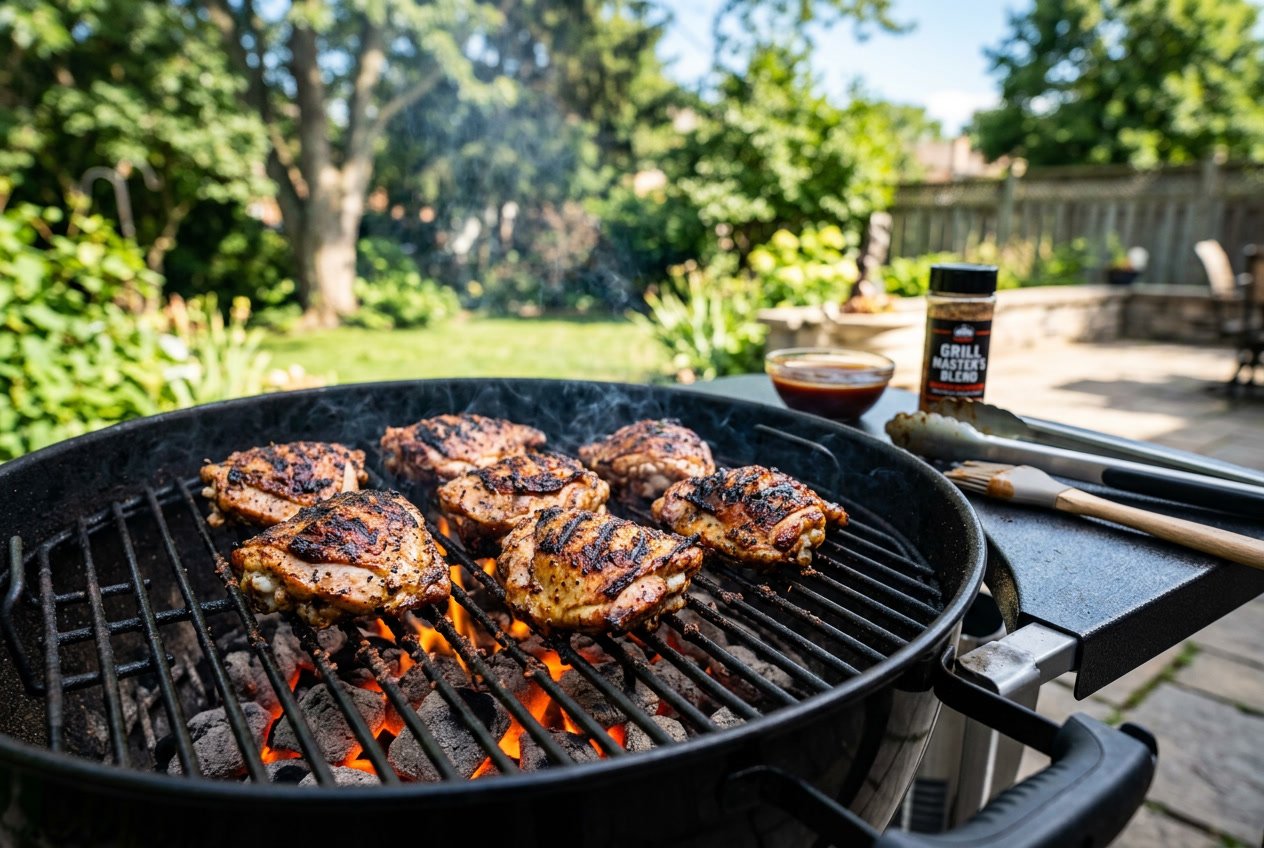
Chicken thighs make a smart choice for grilling because they’re forgiving and flavorful.
You can pick from different types, use simple marinades and rubs, and follow clear grilling techniques for delicious results.
Why Grill Chicken Thighs?
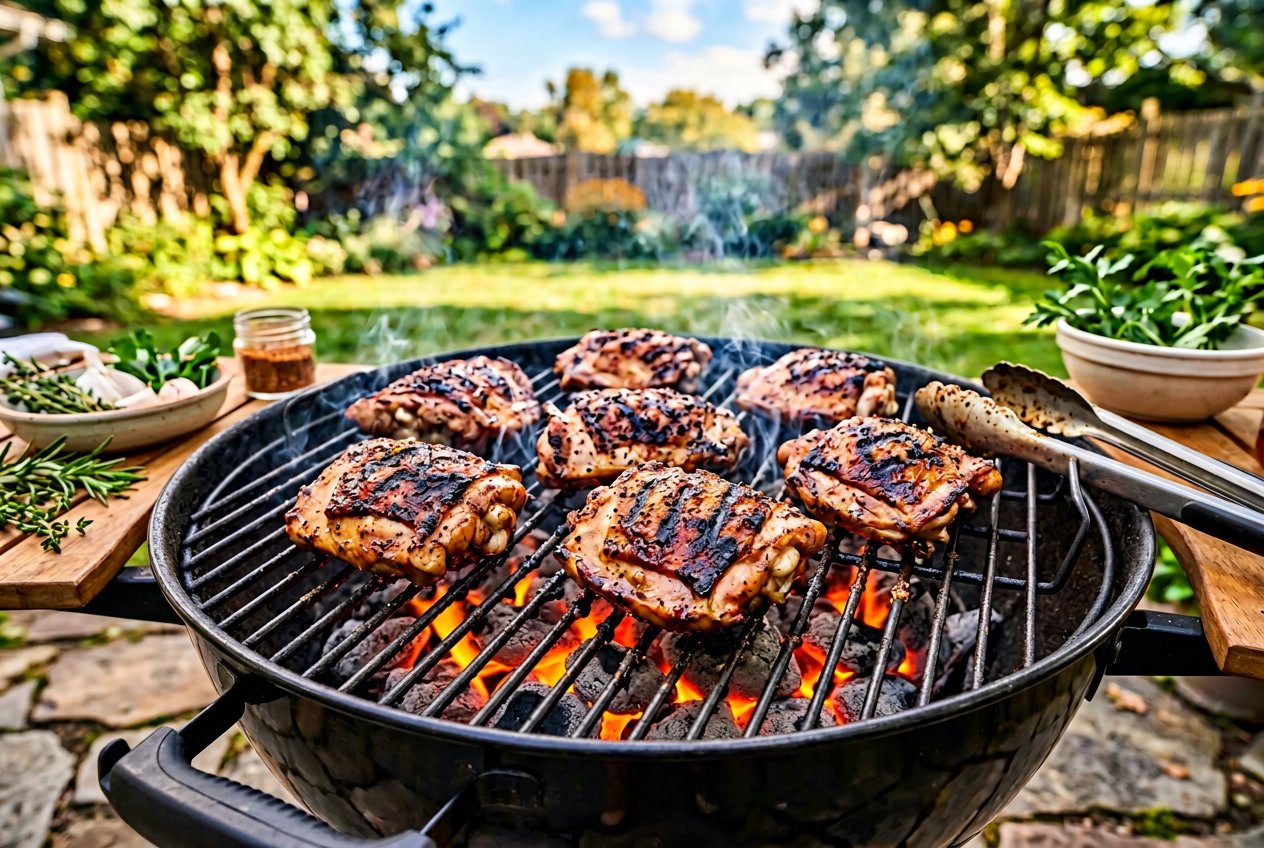
Grilling thighs gives you juicy meat, crisp skin, and forgiving timing that reduces the risk of dryness.
You can make quick weeknight meals or slow, smoky weekend cooks with bone-in or boneless cuts.
Benefits of Chicken Thighs for Grilling
Chicken thighs contain more fat and connective tissue than breasts, which helps them stay moist over high heat.
As the thighs cook, the fat renders and bastes the meat, producing a tender interior.
Thighs are cost-effective and widely available, so you can buy in bulk without sacrificing quality.
They take marinades and rubs well, so flavors penetrate deeply whether you marinate for 30 minutes or overnight.
You can move thighs around the grill easily, and if some finish before others, you can keep them on the cool side without losing texture or moisture.
Flavor and Texture Advantages
Skin-on thighs develop a crisp, savory exterior over direct heat, while the meat stays juicy.
The combination of crunchy skin and tender meat is a highlight of grilled chicken thighs.
Dark meat carries richer flavor than white meat, so you can use bolder spice blends.
You can use skinless or skin-on thighs: skin-on gives you texture and insulation, while skinless reduces fat and shortens cook time.
Aim for an internal temperature of 165–175°F, and use a thermometer for accuracy.
Bone-In vs Boneless Options
Bone-in chicken thighs take longer to cook but retain moisture and flavor better.
The bone helps distribute heat and gives a richer mouthfeel, especially with low-and-slow or two-zone grilling.
Boneless thighs cook faster and are easier to portion for skewers, sandwiches, or quick dinners.
They respond well to high-heat searing and short indirect finishes, making them great for juicy chicken in 12–20 minutes.
Pick bone-in for maximum flavor and forgiving grilling; choose boneless for speed and easier slicing.
Skin-on bone-in maximizes crispness and juiciness, while skinless boneless favors convenience and lower fat.
Types of Chicken Thighs for Grilling
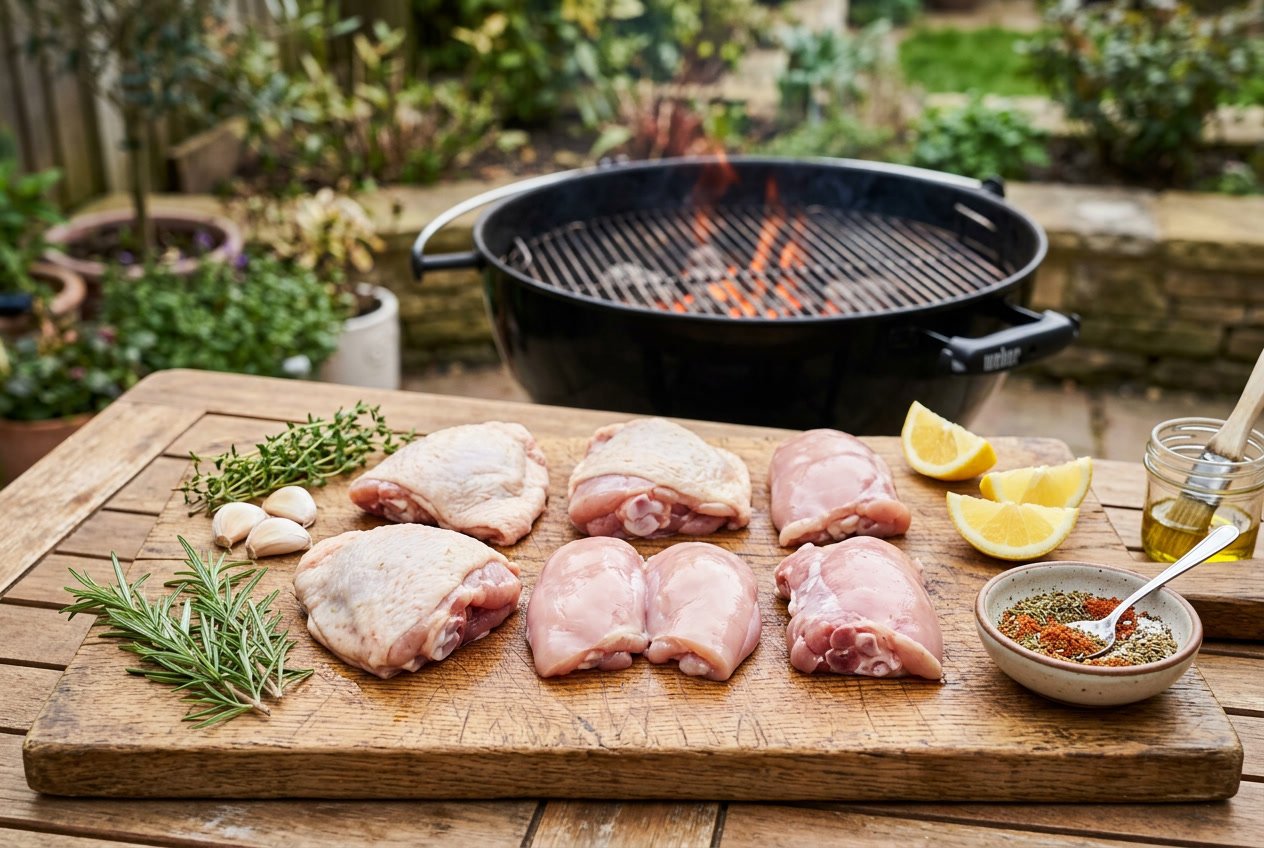
Choose thighs based on your timing, texture, and preference for crisp skin.
Bone-in pieces give more flavor and forgiveness on heat; boneless cooks faster and is easier to eat.
Skin decisions affect flare-ups, browning, and final mouthfeel.
Bone-In, Skin-On Chicken Thighs
Bone-in, skin-on chicken thighs deliver more flavor and a juicier bite because the bone and fat help retain moisture.
Grill them over medium heat (about 375–425°F) to get crisp skin without burning; start skin-side down to render fat and form a sear.
Expect longer cook times—typically 20–30 minutes depending on size.
Use indirect heat or a two-zone fire if flare-ups from dripping fat become intense.
Check doneness with an instant-read thermometer in the thickest part near the bone; remove at about 160°F and let rest to reach 165°F.
Boneless, Skinless Chicken Thighs
Grilled boneless chicken thighs cook quickly and work well for fast dinners or skewers.
They reach safe internal temperature in about 8–12 minutes over medium-high heat and take marinades well.
Because they lack skin and bone, watch closely to avoid overcooking.
Use a thermometer or cut to check for clear juices.
Boneless skinless chicken thighs grill evenly and work well for tacos, salads, or sliced sandwiches.
Skin-On vs Skinless: Pros and Cons
Skin-on thighs give you a crisp, flavorful exterior and protect meat from direct heat, but they produce more flare-ups.
If you want crunchy skin, keep the grill at medium heat and manage hotspots.
Skinless thighs reduce fat flare-ups and absorb marinades faster, yielding leaner results.
They brown less and can dry if overcooked, so use shorter cook times or a moist marinade to keep them juicy.
Quick comparison:
-
Bone-in, skin-on: Best for flavor and moisture; longer cook time; watch flare-ups.
-
Boneless, skinless: Best for speed and even cooking; needs careful timing to avoid dryness.
-
Boneless skinless thighs: Versatile for skewers and quick meals; marinate or baste for juiciness.
Preparation: Marinades and Seasonings
Marinades add moisture and depth, while dry seasonings build crust and direct flavor.
Balance acid, oil, salt, and aromatics for marinades, and use salt-forward rubs with complementary spices for dry seasoning.
Choosing and Applying a Marinade
Pick an acid (lemon juice, vinegar, or yogurt) to tenderize and an oil (olive or neutral oil) to carry flavors.
Aim for a ratio near 1 part acid to 3 parts oil, then add salt, a sweetener (honey or brown sugar) if you want caramelization, and aromatics like garlic or herbs.
Use a resealable bag or shallow container so the marinade contacts all surfaces.
Press out excess air, submerge the thighs, and refrigerate.
Turn the bag or stir the container every few hours for even absorption.
Before grilling, pat the skin or surface dry with paper towels to promote browning.
If you want to use the marinade as a sauce, boil it before serving.
Effective Dry Rubs and Seasonings
Start with kosher or sea salt as the base.
Add a primary flavoring such as smoked paprika, cumin, or chili powder.
Include garlic powder and onion powder for depth, and finish with black pepper and a touch of sugar for crust.
Apply rubs liberally and press them into the meat so the seasoning sticks.
For bone-in thighs, apply 30–60 minutes before cooking to let salt penetrate.
For boneless, you can season immediately or up to 2 hours ahead.
If you use a wet marinade, use a lighter rub to avoid over-salting and excessive charring.
How Long to Marinate Chicken Thighs
Short marinating (30 minutes) gives surface flavor and works well with bold marinades.
For the best balance of flavor and tenderness, marinate 4–6 hours for boneless or bone-in thighs.
Avoid marinating more than 24 hours, especially with high-acid mixtures, to prevent mushy texture.
Always marinate in the refrigerator.
Remove thighs from the marinade and let them sit 15–30 minutes at room temperature before grilling.
How to Grill Chicken Thighs
Use direct or indirect heat, adjust for gas or charcoal, and follow a clear step-by-step process for bone-in or boneless thighs.
Focus on temperature control, grill placement, and a short rest before serving.
Grilling Techniques: Direct and Indirect Heat
Place thighs over high heat for sear and crisping.
Use direct heat (450–550°F) to render skin and create grill marks.
Watch for flare-ups from dripping fat and move pieces if flames spike.
Cook thighs near, not over, the coals or burners for indirect heat.
Set the grill to about 350–375°F and close the lid to trap heat.
Indirect heat works best for bone-in thighs or larger pieces so the interior cooks through without burning the exterior.
Start skin-side down over direct heat for 3–5 minutes to crisp, then finish over indirect heat until a thermometer reads 165°F in the thickest part.
Gas Grill vs Charcoal Grill Methods
Gas grills give you precise temperature control and fast start-up.
Light one side of burners and leave the other off to create a direct/indirect zone.
For boneless chicken thighs on a gas grill, preheat to medium-high (about 425°F) and use direct heat, flipping once after 4–6 minutes.
Charcoal adds smoky flavor but needs management.
Bank coals to one side for an indirect zone and let the grate preheat until hot.
Place thighs over the cooler side to finish cooking.
Add soaked wood chips on the coals for extra smoke, especially with bone-in thighs.
Use a digital probe thermometer with either grill.
Aim for grill surface temps listed above, and check internal temperature (165°F) for safe, juicy results.
Step-by-Step Grilling Instructions
-
Prep: Trim excess fat, pat thighs dry, and season or marinate for 30 minutes to 4 hours. Bring to room temperature 20–30 minutes before grilling.
-
Preheat: For direct searing use 450–550°F; for finishing, set up an indirect zone at 350–375°F. Gas: light burners accordingly. Charcoal: bank coals to one side.
-
Sear: Place skin-side down over direct heat for 3–6 minutes until golden and crisp. Watch for flare-ups and move pieces if needed.
-
Finish: Move to indirect heat, close lid, and cook until internal temp reaches 165°F. Boneless typically takes 8–12 minutes total; bone-in may take 15–25 minutes.
-
Rest: Remove from grill, tent loosely with foil, and rest 5 minutes before serving.
-
Safety tip: Insert the thermometer into the thickest part without touching bone for an accurate read.
Grill Times and Safe Cooking Temperatures
Pay attention to cook time, target internal temperatures, and resting for safety and juiciness.
Use an instant-read thermometer to check doneness.
How Long to Grill Chicken Thighs
Bone-in, skin-on thighs need more time than boneless pieces.
Grill bone-in, skin-on thighs at about 375°F (190°C) for 30–40 minutes, turning every 6–8 minutes to prevent burning and to crisp the skin.
Boneless, skinless thighs cook faster.
Grill them at 400–425°F (204–218°C) for about 12–20 minutes total, flipping once halfway through for even sear and color.
If you use indirect heat, plan for the longer end of each range and finish with a 2–3 minute sear over direct heat to crisp the exterior.
Adjust time for thigh size: larger pieces need extra minutes; thin fillets need less.
Checking and Achieving Proper Internal Temperature
The safe internal temperature for poultry is 165°F (74°C).
Insert an instant-read thermometer into the thickest part without touching bone.
Remove thighs from the grill at about 160°F (71°C) because carryover heat will raise them to 165°F while resting.
If crust forms before the center is done, move thighs to indirect heat and cover the grill to finish cooking.
Check multiple pieces for even heating.
Resting Chicken Thighs After Grilling
Resting lets heat finish cooking and redistributes juices.
Let thighs rest for 5–10 minutes on a warm plate or cutting board, loosely tented with foil.
During rest, internal temperature should climb from about 160°F to 165°F.
Carve or serve after the rest period.
Cutting too soon releases juices and yields drier meat, so wait the full rest time for best texture and flavor.
Serving Suggestions and Meal Ideas
Serve grilled chicken thighs as the centerpiece for BBQ plates, tacos, or weeknight bowls.
Pair with creamy, crunchy, or charred sides to balance the thigh’s rich flavor.
Classic BBQ Chicken Thighs
Brush bone-in, skin-on thighs with a tangy or sweet barbecue sauce during the last 5–7 minutes of grilling. Caramelize the sauce without burning.
Sear the thighs skin-side down, then cook them over medium indirect heat. This helps the meat reach 165°F while the skin crisps.
Serve 2–3 thighs per person with extra sauce on the side. Add a scoop of potato salad and a wedge of grilled corn on the cob for a traditional plate.
For faster service, use boneless thighs. Cut them into pieces before saucing to speed caramelization and make portioning easier.
Pairing with Sides and Grilled Vegetables
Balance the thigh’s fattiness with acidic and crunchy sides. Prepare a vinegar-based potato salad or a mustard-dressed slaw to cut richness.
Both options store well and you can make them ahead. Grill zucchini, bell peppers, and red onion alongside the chicken.
Toss vegetables with olive oil, salt, and chopped herbs. For corn, brush with butter, sprinkle with smoked paprika, and char over direct heat.
Plate vegetables warm or at room temperature to preserve texture and flavor contrast.
Creative Ways to Use Grilled Chicken Thighs
Shred chilled thighs for tacos with lime, chopped cilantro, diced onion, and a drizzle of crema. Use sliced thighs in grain bowls with quinoa, roasted sweet potato, and a lemon-tahini dressing for weeknight lunches.
Arrange quartered potatoes and trimmed green beans around thigh pieces on a sheet pan. Season everything with smoked paprika and garlic, then finish under the broiler if needed.
Dice thighs into fried rice or pasta for fast, protein-rich dinners. This method reuses the charred flavor effectively.


