
Can You Get Skinless Chicken Thighs? Availability, Options & Tips
You can get skinless chicken thighs. Many stores sell them frozen or fresh, and you can also remove the skin yourself if you want more control over quality and cost.
Skinless thighs offer the same rich flavor and juiciness as other thigh cuts but with less surface fat. They make a flexible choice whether you’re grilling, braising, or using them in quick weeknight meals.
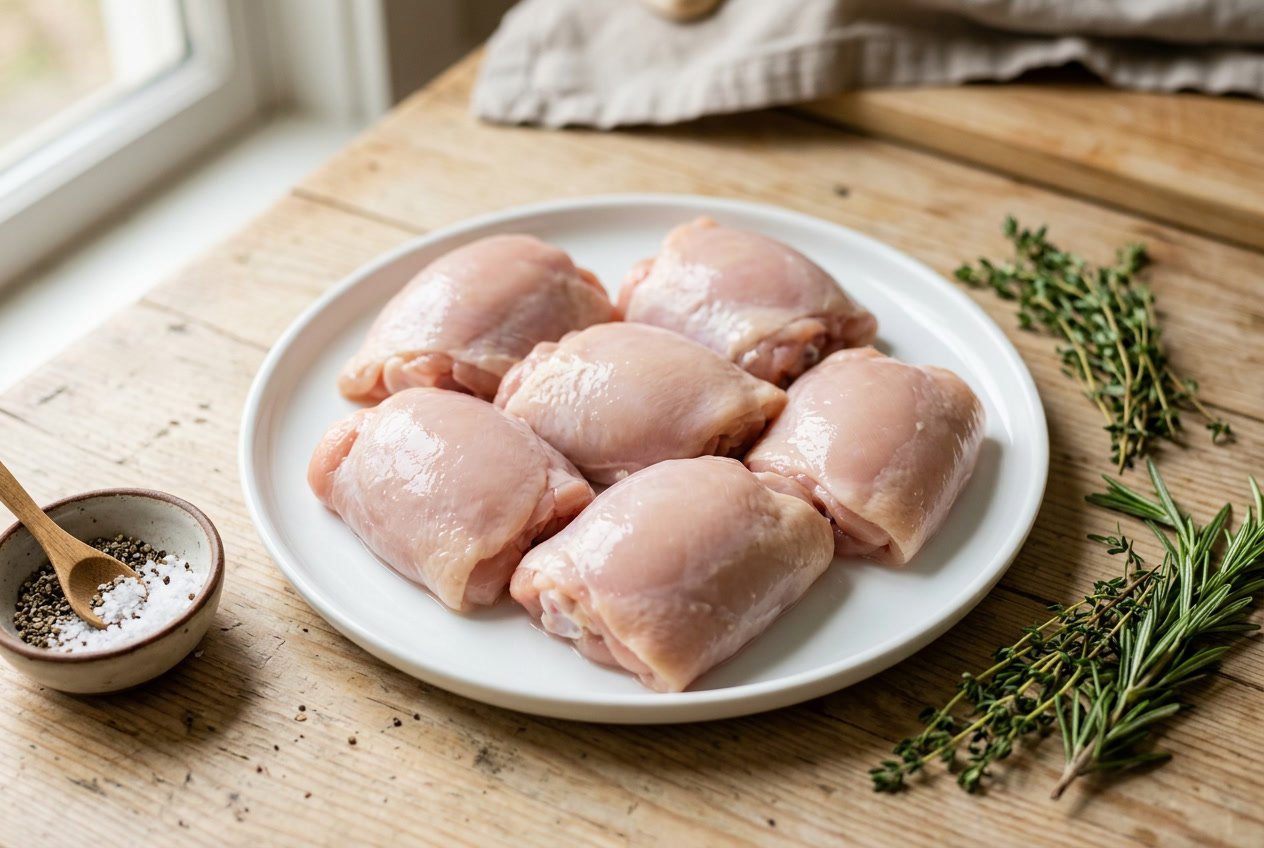
Here you’ll learn where to find skinless thighs, how butchers and processors remove the skin, how they compare to skin-on thighs, and practical cooking methods and alternatives.
Understanding Skinless Chicken Thighs
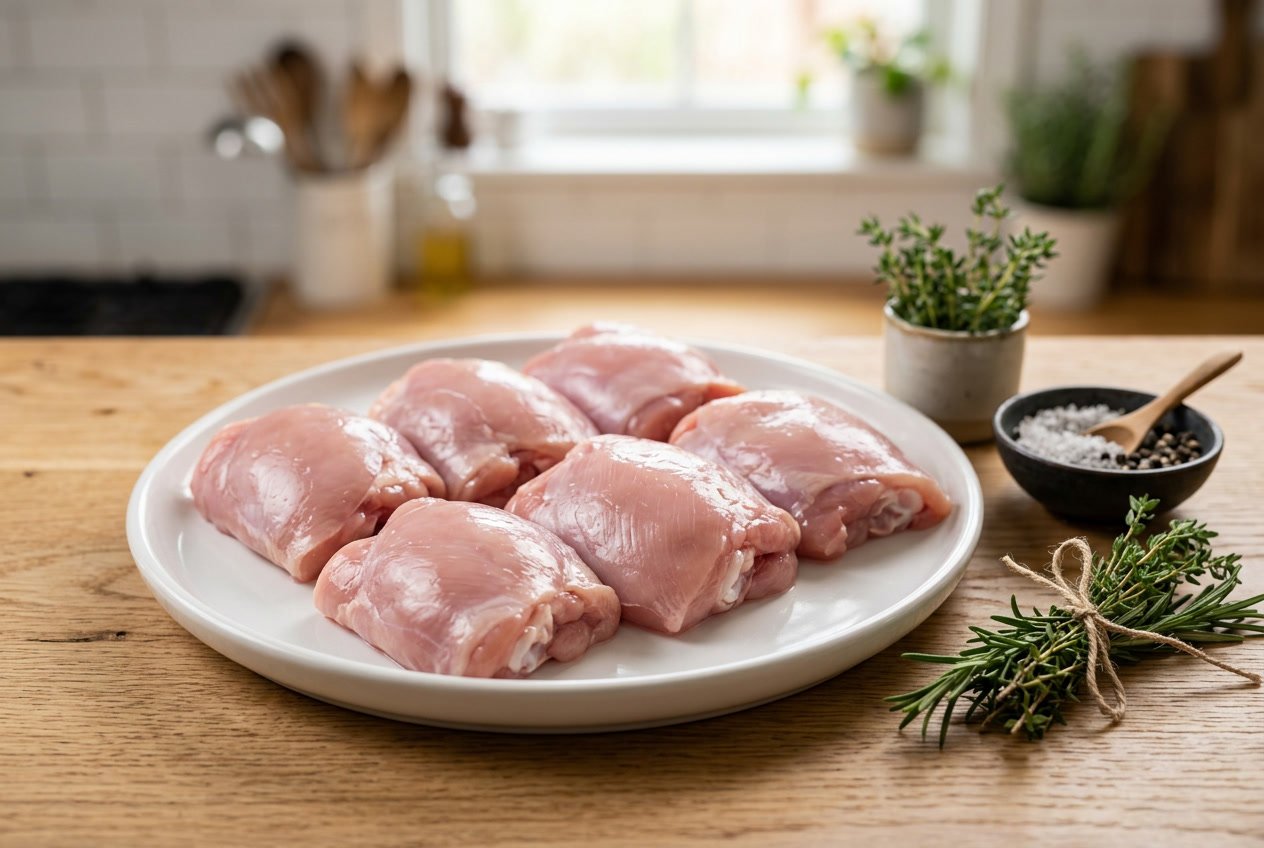
Skinless chicken thighs are thighs with the outer skin removed. You can buy them as boneless or bone-in, and they cook faster than skin-on cuts.
Skinless chicken thighs are the thigh portion of the bird with the skin removed. The meat keeps dark-muscle fats that keep the thigh moist, so you’ll retain more flavor than with breast meat even without skin.
You’ll see two common forms: bone-in skinless thighs and boneless skinless thighs. Bone-in pieces include the femur and need longer, gentler cooking.
Boneless skinless thighs cook faster and are easier to chop for stir-fries, curries, and salads. Packaged thighs usually have labels that state both bone and skin status.
When ordering from a butcher, ask for “boneless, skinless” or “bone-in, skinless” to get exactly what you want.
Benefits of Choosing Skinless Chicken Thighs
Choosing skinless thighs reduces total fat and calories compared with skin-on thighs. If you’re tracking macros or limiting saturated fat, skinless thighs lower the calorie density while keeping the thigh’s rich flavor.
They absorb marinades and sauces more readily without the skin barrier, so you can intensify seasoning or use braising liquid to keep them tender. Boneless skinless thighs also speed up prep and cooking, making them practical for weeknight meals and batch cooking.
For roasting or grilling, protect them from drying out by using marinades, sauces, or shorter high-heat methods. Skinless thighs are easier to shred for tacos, soups, or stews.
Common Cuts: Bone-In, Boneless, and Skin-On Variations
You’ll find four main variants in stores: bone-in skin-on, bone-in skinless, boneless skin-on, and boneless skinless. Each affects flavor, cook time, and use.
- Bone-in skin-on: best for roasting or grilling when you want crispy skin and maximum juiciness.
- Boneless skin-on: offers easier eating with the flavor boost of skin; cooks faster than bone-in.
- Bone-in skinless: retains some juiciness from the bone but lacks skin’s crisp texture; good for braises.
- Boneless skinless: most versatile for quick cooking, shredding, and leaner dishes.
Check weight and price per pound when buying. Deboned and skinned thighs often weigh 20–25% less than bone-in, skin-on pieces and can cost more due to extra processing.
Can You Buy Skinless Chicken Thighs?
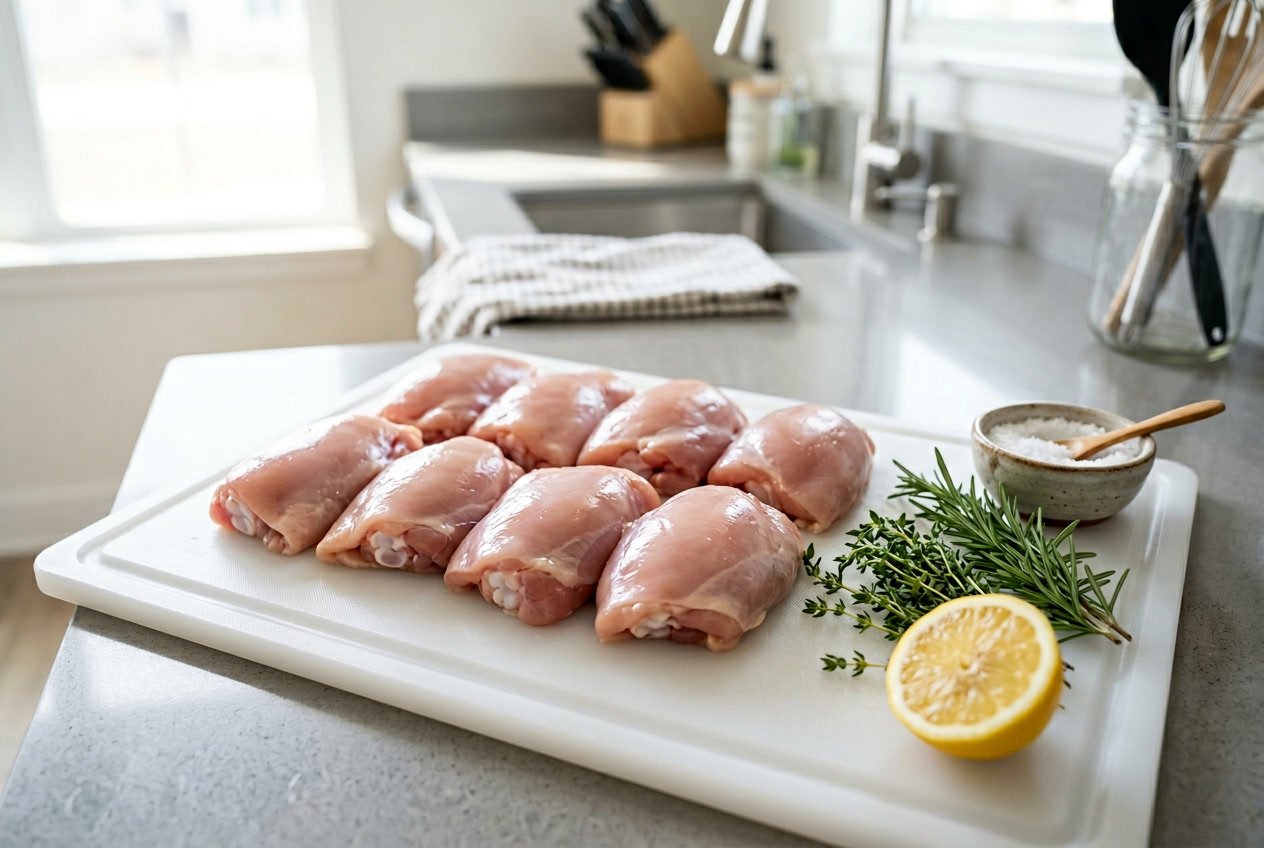
You can buy skinless chicken thighs in many places. Your best option depends on whether you want small packs for a week or bulk bags for meal prep.
Price, freshness, and available labeling (organic, antibiotic-free, brand) vary by retailer and ordering method.
Availability in Grocery Stores
Most major grocery chains carry skinless chicken thighs in the refrigerated meat section. Look for branded packages or store-brand trays.
Labels usually indicate whether the thighs are boneless, skinless, antibiotic-free, or organic. Check both the prepackaged displays and the meat counter.
Smaller stores may stock only bone-in or skin-on thighs, so call ahead if you need skinless specifically. Prices fluctuate with promotions, and bulk packs tend to be cheaper per pound.
Ordering from Butchers and Specialty Markets
Your local butcher can provide exactly what you want: skinless and boneless, custom trimming, and recommended portion sizes. Butchers often offer fresher product and can tell you the chicken’s source.
Specialty markets and ethnic grocery stores sometimes sell skinless thighs at competitive prices, often in different portioning than mainstream supermarkets. Build a relationship with a butcher for recurring orders or special cuts.
Purchasing Options from Online Retailers
Online grocery services carry packaged skinless chicken thighs for home delivery or pickup. Subscription meat services sell higher-end options in bulk boxes with frozen delivery.
When ordering online, check product descriptions for “boneless skinless chicken thighs,” exact pack weight, and storage state (fresh or frozen). Factor in shipping costs and delivery windows.
The Process of Removing Skin from Chicken Thighs
Removing skin reduces fat and changes how the chicken cooks. You can remove it at the plant with machines or by hand, or do it yourself at home with a knife.
Each method affects final texture, cost, and whether you can also debone the thigh.
How Processors Remove Skin
Processors use machines or hand-trim stations to separate skin from thigh meat quickly and consistently. Industrial lines often use steam or hot water to loosen the skin, then machines pull the skin away and trim remaining attachments.
These steps produce uniform skinless chicken thighs and reduce labor time per piece. Facilities follow hygiene and temperature controls to prevent contamination.
If you buy pre-skinned thighs, they may still have some fat or small skin remnants that you can trim at home. Processors sometimes leave the bone in; deboning is a separate step done later.
Manual Skinned vs. Prepackaged Skinless Thighs
If you remove skin at home, use a sharp knife and work on a clean cutting board. Place the thigh skin-side down, pull the skin with one hand, and slide the knife under the skin with the other.
Cut only where the skin resists to preserve meat. Home-skinned thighs let you control fat trim and whether you debone immediately.
Prepackaged skinless thighs save time but can cost more and sometimes include excess connective tissue or fat. If you need boneless, look for packages labeled “boneless skinless” to avoid a separate deboning step.
Comparing Skinless and Skin-On Chicken Thighs
You’ll weigh flavor, moisture, calories, and cost when choosing between skinless and skin-on thighs. Each option changes how you cook, how much fat the dish contains, and what you pay per pound.
Taste and Texture Differences
Skin-on chicken thighs deliver more immediate flavor because the skin renders fat and crisps when roasted, pan-seared, or grilled. That crisp exterior adds browning and a richer mouthfeel.
Skinless chicken thighs let marinades and rubs penetrate the meat more directly. Boneless skinless chicken thighs cook faster and feel leaner, but they can dry out without shorter cooking times, a sauce, or a braise.
Bone-in chicken thighs hold moisture better during long cooking and often taste more substantial because the bone conducts heat and retains juices.
Choose skin-on for crispness and richness. Choose skinless when you want cleaner flavor and faster cooking.
Nutritional Comparison
Skinless chicken thighs cut calories and fat compared with skin-on thighs. Removing the skin typically reduces around 5–7 grams of fat and about 50 calories per 3.5-ounce serving.
Protein content stays similar between skinless and skin-on cuts. Bone-in vs. boneless affects weight per piece but not the protein or fat of the edible meat.
If you watch cholesterol or saturated fat, boneless skinless chicken thighs fit better into a lower-fat plan. If you want some extra fat-soluble nutrients and collagen, occasional skin-on choices provide that but add calories.
Price Differences
Bone-in chicken thighs usually cost less per pound than boneless thighs because removing the bone and trimming takes labor. Expect to pay a premium for boneless skinless chicken thighs.
Supermarkets often price skin-on, bone-in thighs as the most economical option. If you buy boneless skin-on thighs, costs rise again because the butcher has removed the bone while leaving the skin.
For meal prep or bulk buying, choose bone-in to save money and get more flavor. If convenience and quicker cooking times matter more, the higher cost of boneless skinless thighs can be worth it.
Cooking Methods for Skinless Chicken Thighs
You can cook skinless, boneless chicken thighs several ways that prioritize browning, internal temperature control, and juiciness. Each method below gives specific times, temperatures, and technique details for consistent results.
Oven-Baking and Roasting
Preheat to 400–425°F for a balance of browning and juiciness. Arrange thighs in a single layer on a rimmed sheet pan or baking dish.
Lightly coat each piece with oil and season well. Oil helps promote surface browning since there’s no skin to render.
Bake for about 20–30 minutes depending on thickness. Check with an instant-read thermometer and pull at 165°F, then let rest 3–5 minutes.
For extra color, broil 1–2 minutes at the end, watching closely. Use a foil-lined sheet for easy cleanup and add aromatics like shallot or lemon halves for subtle flavor.
Pan-Searing and Stovetop Techniques
Heat a heavy skillet over medium-high until very hot and add oil. Pat thighs dry before seasoning for better browning.
Sear 3–5 minutes per side without moving them to build a crust. After searing, reduce heat to medium-low and cook covered for 6–10 minutes, or finish in a 375°F oven for 8–12 minutes until 165°F internal.
Deglaze the pan with stock, wine, or soy-honey for a quick pan sauce. For thinner pieces, sauté quickly and avoid overcooking.
Flip only once or twice to preserve the crust and juices.
Best Practices for Grilling
Preheat grill to medium-high and oil the grates. For direct grilling, cook skinless chicken thighs 5–7 minutes per side, flipping once, until they reach 165°F.
For thicker thighs, use a two-zone setup: sear over direct heat for 2–3 minutes per side, then move to indirect heat to finish cooking. Baste with a glaze in the final 2–3 minutes.
Let grilled thighs rest 3–5 minutes before serving. This keeps the juices distributed and improves texture.
Tips for Juicy, Flavorful Skinless Thighs
Marinate or brine for 30 minutes to 8 hours to boost moisture and seasoning depth. A simple brine or a marinade with acid, oil, and aromatics improves tenderness and flavor.
Pat dry before high-heat cooking to ensure browning. Always use an instant-read thermometer and remove at 160–163°F, then rest to reach 165°F.
Avoid overcrowding pans or trays. Give each thigh space to brown evenly.
Finish with bright elements like lemon zest, chopped herbs, or a splash of vinegar to balance richness. For shredded chicken, cook slightly longer in a sauce or slow cooker to maximize tenderness.
Alternatives and Specialty Cuts
You can choose between ready-made options and small prep work at home to get the texture and flavor you want from thigh meat. Options include boneless skin-on packages at stores, learning a simple deboning technique, and using skin-on boneless thighs in specific recipes.
Boneless Skin-On Chicken Thighs
Boneless skin-on chicken thighs cook quickly like boneless meat and deliver the crispness and flavor from the skin. Major grocery chains and butcher shops sell them, so check the meat case labeled “boneless skin-on” or ask the butcher to remove the bone but leave the skin.
These cuts retain juices better than skinless thighs. The skin helps brown the meat evenly by rendering fat during cooking.
You can find them in fresh and frozen formats. Stores often sell them in packs of 1–2 pounds or by the piece.
Benefits:
- Better browning and flavor than boneless skinless thighs.
- Faster prep than bone-in cuts.
- Versatile for grilling, roasting, and pan-searing.
If your store doesn’t have them, ask the butcher to debone bone-in thighs for you. Many butchers will do this on request.
How to Debone Chicken Thighs Yourself
You can debone a thigh in about 1–2 minutes per piece after learning the steps. Place a skin-on or skinless thigh on a cutting board, feel for the long curved femur bone, and make a shallow incision along its length.
Use the tip of a sharp boning knife to separate the meat from the bone, keeping the blade close to the bone to reduce waste. Pull the bone out with your other hand or tilt the thigh and snip any connecting cartilage.
Tips:
- Keep the knife parallel to the bone for clean cuts.
- Work slowly at first; practice will help prevent tears in the meat and skin.
- Save bones for stock if you debone several pieces.
Watching a short video or live demo can help you learn the technique. Try watching one at a butcher counter or online to match the hand motions.
Boneless Thighs with Skin in Different Cuisines
Many cuisines use boneless skin-on thighs for their crisp skin and moist meat. Korean recipes marinate and grill them, creating a caramelized exterior while keeping the interior juicy.
Mediterranean and Middle Eastern dishes braise or roast the thighs with aromatics. The skin holds spices and browns nicely.
In Western recipes, chefs sear the skin side first to render fat. They then finish the thighs in the oven for even cooking.
Cooking notes by cuisine:
- Korean: high-heat grilling, quick cook, thin marinades.
- Mediterranean: braise or roast with herbs, low-to-moderate heat.
- Western/American: pan-sear skin, oven-finish for crisp skin and juicy flesh.
Use boneless skin-on thighs when you want browned skin and a shorter cook time than bone-in cuts.


