
Can You Get Salmonella from Chicken Thighs? Risks & Prevention
You can get Salmonella from chicken thighs if the meat is contaminated and you do not handle or cook it properly.
Cook chicken thighs to an internal temperature of 165°F and avoid cross-contamination while prepping to protect yourself.
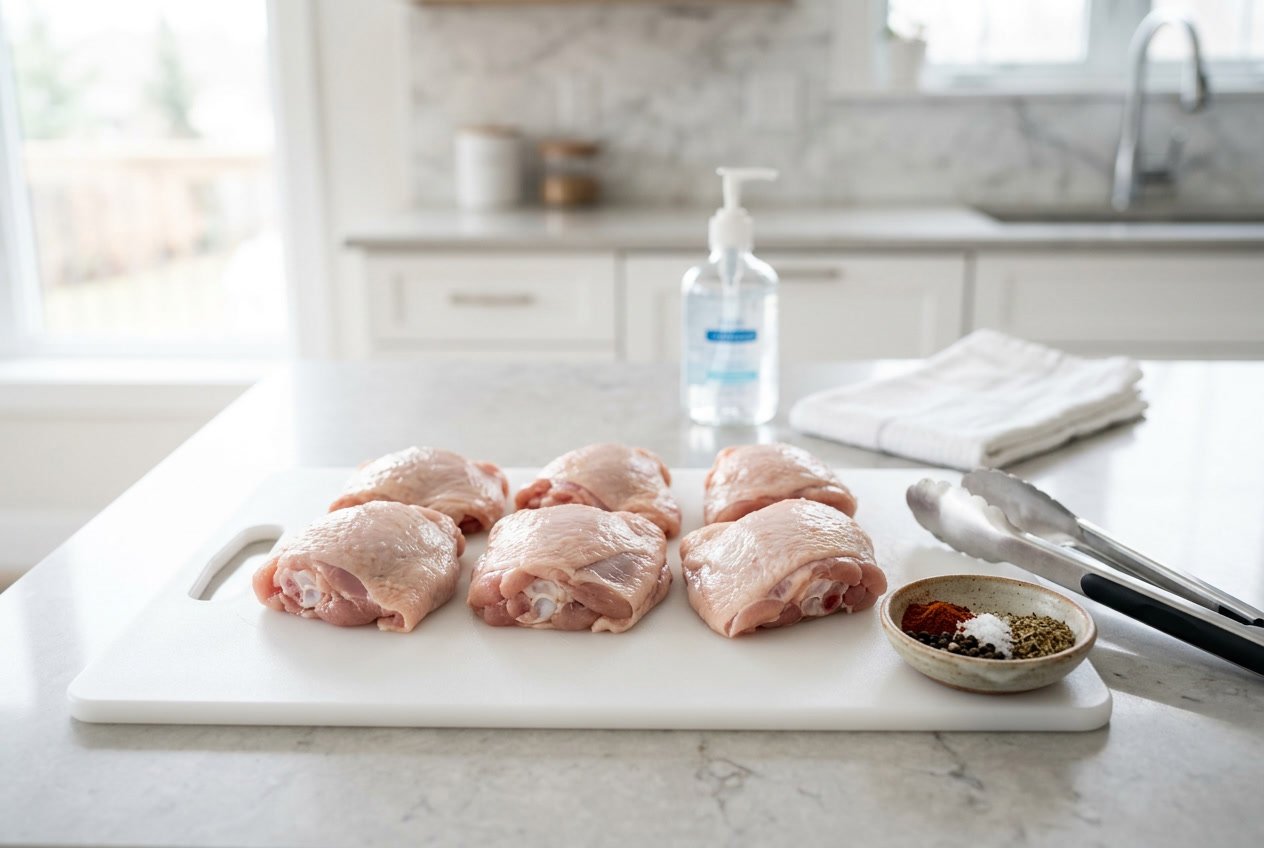
Salmonella can be present on raw poultry and can spread in the kitchen through improper handling.
Learn how to recognize symptoms and follow practical steps to keep your meals safe.
You will find clear guidance on safe cooking, storage, and prevention.
Understanding Salmonella and Chicken Thighs
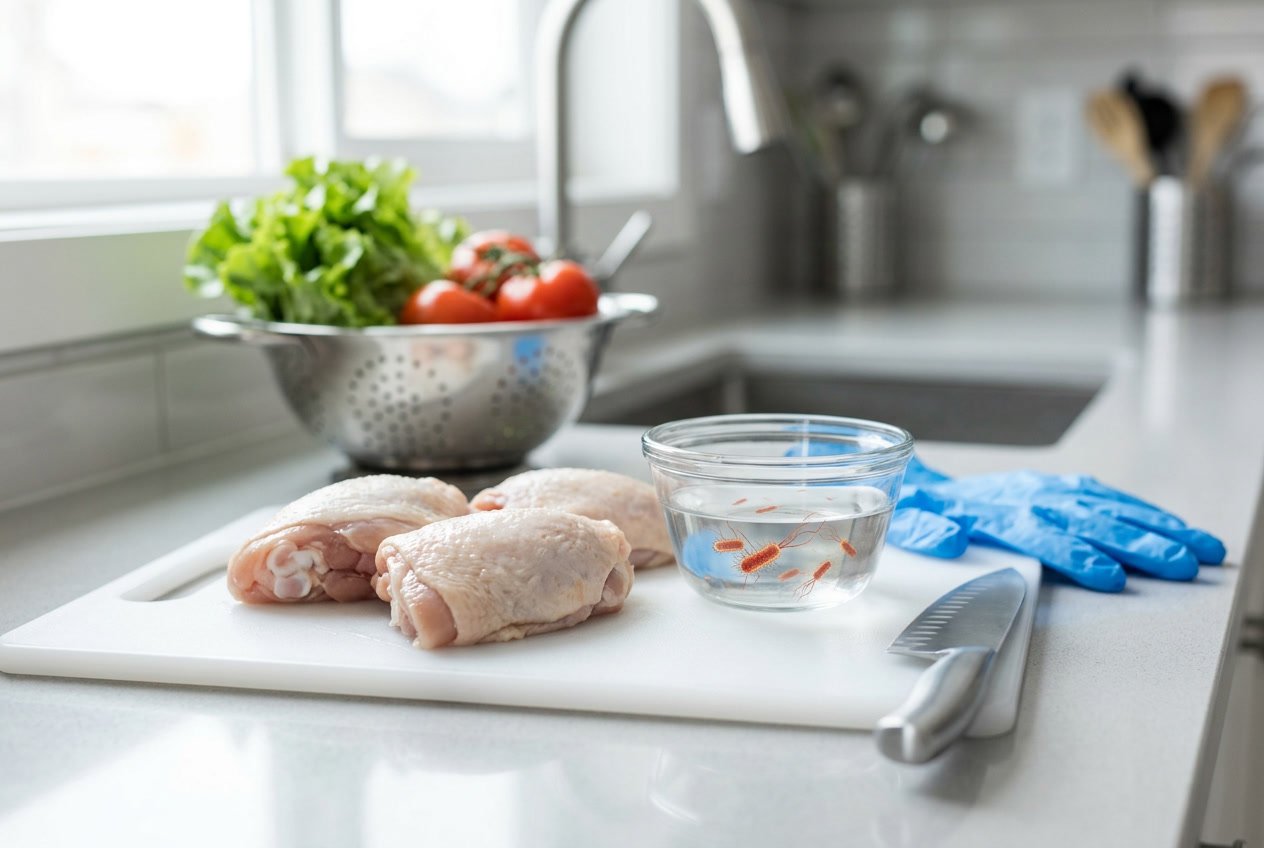
Chicken thighs can carry bacteria that cause illness if they are contaminated or undercooked.
Understand what Salmonella is, how contamination happens, and how common it is in poultry to reduce your risk.
What Is Salmonella?
Salmonella is a group of bacteria that cause gastrointestinal illness in humans.
The most common species linked to food are Salmonella enterica, which includes serotypes like Salmonella Enteritidis and Salmonella Typhimurium.
Symptoms include diarrhea, fever, and abdominal cramps that appear 6–72 hours after exposure.
Young children, older adults, pregnant people, and immunocompromised individuals face higher risk of complications.
You cannot tell whether chicken is contaminated by smell or appearance, so rely on safe handling and thorough cooking.
How Chicken Thighs Become Contaminated
Contamination can happen on the farm, during slaughter, in processing plants, or in your kitchen.
Birds carrying Salmonella shed the bacteria in feces, and contact between feces and meat during processing can transfer bacteria onto thighs.
Cross-contamination happens when raw juices touch other foods, surfaces, or utensils.
Freezing reduces but does not eliminate Salmonella.
Cooking to a safe internal temperature kills it.
Wash hands, use separate cutting boards, and cook thighs to 165°F (74°C) at the thickest part to lower the risk of infection.
Prevalence of Salmonella in Poultry Products
Salmonella prevalence varies by region, production practices, and inspection controls.
Routine testing often finds Campylobacter more frequently, but Salmonella remains a common pathogen in poultry.
Outbreak investigations show that contaminated chicken products, including thighs, can cause many illnesses if widely distributed.
Producers have reduced Salmonella through vaccination, improved biosecurity, and better processing controls, but contamination still occurs.
Assume raw poultry may be contaminated and use safe-handling and cooking practices every time.
How Salmonella Spreads in Chicken
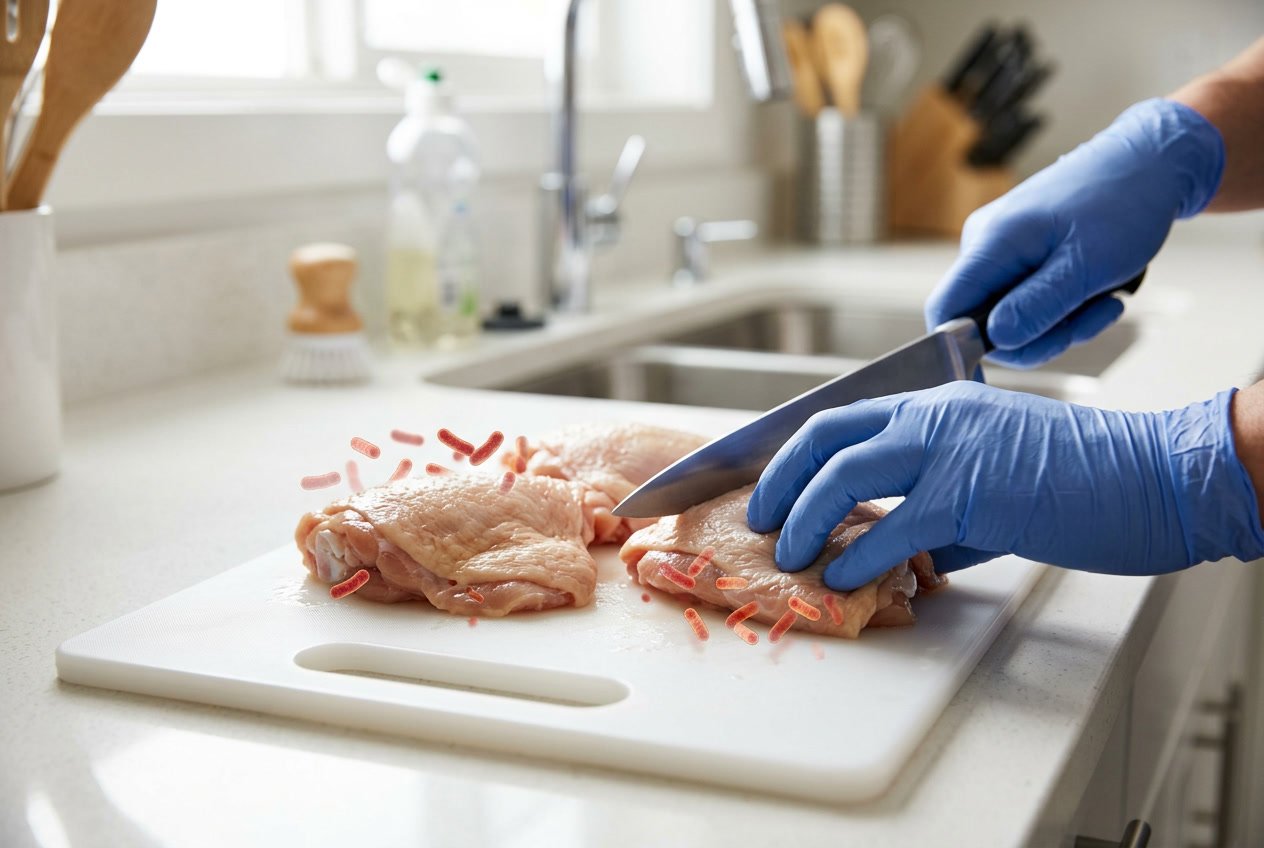
Salmonella spreads through chicken products by direct contamination, contact with contaminated surfaces or fluids, and failures in temperature control.
Control these points to reduce risk when handling chicken thighs.
Cross-Contamination Risks
Raw chicken often carries Salmonella on its surface or in juices.
When you place thighs on cutting boards, in sinks, or near ready-to-eat foods, bacteria from juices can transfer to other foods, utensils, or countertops.
Use separate cutting boards and knives for raw poultry.
Wash hands with soap for 20 seconds after touching raw chicken and sanitize surfaces with a bleach solution or a commercial sanitizer.
Keep raw chicken in sealed containers or leak-proof bags while thawing or storing.
Never rinse raw chicken; splashing spreads bacteria.
Clean sponges and towels frequently and use disposable paper towels when possible.
Processing and Evisceration Factors
During slaughter and processing, improper evisceration releases gut contents that contain high Salmonella loads.
If you buy thighs from a plant with poor evisceration control, the product may be contaminated inside or outside.
Choose suppliers with HACCP and visible sanitary practices.
Inspect packaged thighs for intact seals and no evidence of fecal matter or excessive blood.
Return or discard compromised packaging.
Processors separate viscera from carcasses, use controlled scalding and chilling, and apply antimicrobial washes to reduce risk.
Cook thighs to an internal temperature of 165°F (74°C) to reduce your risk further.
Storage and Transportation Issues
Temperature abuse during transport or storage allows Salmonella to survive and multiply.
If thighs sit above 40°F (4°C) for extended periods, bacterial growth accelerates.
Store raw chicken immediately in the coldest part of your refrigerator or in a sealed container to prevent drips.
Keep thighs at 0°F (-18°C) or lower in freezers and label packages with dates.
During transport from store to home, use an insulated bag or cooler, especially in warm weather.
If you receive delivery, check that the meat is cold to the touch and that packaging is sealed before refrigerating.
Salmonella Infection: Symptoms and Health Effects
Salmonella from contaminated chicken thighs typically causes gastrointestinal illness within hours to a few days after exposure.
Some infections progress to bloodstream infection or long-term complications that require medical care.
Symptoms of Salmonella Poisoning
You will most often notice diarrhea, abdominal cramps, and fever beginning 6–72 hours after eating contaminated chicken.
Diarrhea can be watery or bloody, and stools may contain mucus.
Nausea and vomiting can occur and contribute to dehydration.
Symptoms usually last 4–7 days in otherwise healthy adults.
Monitor fluid intake and watch for signs of dehydration: dizziness, low urine output, dry mouth, or lightheadedness.
Seek medical care if you have high fever (over 102°F / 39°C), persistent vomiting, severe abdominal pain, or diarrhea lasting more than 3 days.
Complications of Salmonella Infection
A minority of infections spread beyond the gut, causing bacteremia that may infect bones, joints, or the heart.
Bacteremia requires prompt antibiotics and can be life-threatening, especially with delayed treatment.
Reactive arthritis can develop weeks after the initial infection, causing joint pain, eye inflammation, and urinary symptoms that may persist for months.
Severe dehydration, electrolyte imbalance, and secondary infections can occur, particularly when vomiting or diarrhea is intense.
If you have implanted devices, Salmonella bacteremia raises the risk of device-related infection.
Who Is Most at Risk?
You face higher risk of severe salmonellosis if you are an older adult, very young child, pregnant, or have a weakened immune system from disease or medication.
People with chronic conditions such as heart disease or kidney failure also experience more severe courses and complications.
If you belong to a high-risk group and develop symptoms after eating chicken thighs, contact your healthcare provider promptly for testing and possible antibiotic therapy.
Cooking Chicken Thighs Safely
Cook chicken thighs to a specific internal temperature, use a proper thermometer, and avoid cross-contamination when handling raw meat.
These steps prevent Salmonella and Campylobacter and keep your meals safe.
Safe Internal Temperature Guidelines
Cook chicken thighs until the thickest part reaches 165°F (74°C).
This temperature applies to bone-in and boneless thighs, as well as ground poultry products.
Measure in the center of the meat, not against the bone, because bones conduct heat differently and can give a false high reading.
For very thick pieces, probe several spots: next to the bone and the center of the thickest section.
When the thermometer reads 165°F, you have reached a safe pathogen kill rate for Salmonella.
The Role of Food Thermometers
Use a digital instant-read thermometer with a thin probe for fast, accurate readings.
Insert the probe into the thickest part of the thigh, avoiding bone and pan surfaces.
Wait until the display stabilizes before recording the temperature.
Calibrate your thermometer periodically by using an ice bath (32°F / 0°C) or boiling water (212°F / 100°C at sea level).
For whole birds or casseroles, a leave-in probe can monitor temperature during cooking.
Clean and sanitize the probe between uses to prevent cross-contamination.
Dangers of Undercooked Chicken
Undercooked chicken thighs can carry live Salmonella and other bacteria that cause illness.
Symptoms can be severe for young children, pregnant people, older adults, and immunocompromised individuals.
Visual cues like pink meat or clear juices are unreliable and can mislead you into serving unsafe chicken.
Never place cooked thighs back on the plate that held raw meat.
Use separate cutting boards, wash hands and surfaces, and refrigerate leftovers within two hours.
Preventing Salmonella from Chicken Thighs
Handle chicken thighs with care: cook them to 165°F, avoid cross-contamination, and clean any surfaces or tools that touched raw meat.
Proper cooking, keeping raw and ready-to-eat foods separate, and sanitizing reduce your risk of salmonella.
Best Practices in the Kitchen
Check internal temperature with a calibrated food thermometer inserted into the thickest part of the thigh, avoiding bone.
Thaw frozen thighs in the refrigerator or under cold running water, never at room temperature.
Marinate only in the refrigerator and discard any marinade that contacted raw meat, or boil it before using as a sauce.
Wash your hands for 20 seconds with soap after handling raw chicken and before touching other items.
Store raw thighs on the bottom shelf in a sealed container so juices cannot drip onto other foods.
Refrigerate cooked leftovers within 2 hours, or within 1 hour if ambient temperature exceeds 90°F.
Using Separate Cutting Boards
Keep at least two cutting boards: one for raw poultry and one for produce and ready-to-eat items.
Use color-coded boards if possible so you always know which board to use.
Inspect boards for deep grooves where bacteria can hide.
Replace plastic boards once they show extensive scoring and replace wooden boards that are cracked.
After use, wash boards with hot soapy water, then sanitize.
Never place cooked chicken back on a plate that held raw thighs unless you have cleaned and sanitized it first.
Sanitizing Countertops and Utensils
After preparing chicken thighs, clean surfaces with hot, soapy water, then apply a sanitizing solution.
Use a bleach solution of 1 tablespoon (15 mL) household bleach per gallon (3.8 L) of water or a commercial kitchen sanitizer.
Soak utensils and metal tools for at least one minute in the sanitizer or run them through a high-heat dishwasher cycle.
Launder sponges and dishcloths daily in hot water or replace frequently.
Let sanitized surfaces air dry; do not wipe them with an unclean cloth.
These steps reduce contamination and help prevent salmonella in your kitchen.
Other Common Sources of Salmonella
Salmonella can appear in many foods beyond chicken thighs.
Watch eggs, dairy, produce, sprouts, red meat, seafood, and certain processed or ready-to-eat items because each carries distinct contamination and cross-contamination risks.
Eggs and Dairy Products
Raw or undercooked eggs can contain Salmonella inside the yolk or on the shell.
Dishes made with raw eggs—such as homemade Caesar dressing, tiramisu, or soft-cooked eggs—pose higher risk.
Cook eggs until whites and yolks are firm or use pasteurized eggs for recipes that call for raw eggs.
Raw milk and some unpasteurized dairy products may carry Salmonella.
Soft cheeses made from unpasteurized milk increase risk, especially for young children, older adults, pregnant people, and those with weakened immune systems.
Choose pasteurized milk and dairy and refrigerate promptly to limit bacterial growth.
Use separate utensils and cutting boards for eggs and ready-to-eat foods.
Wash hands and surfaces after handling shells or cracked eggs to prevent spreading bacteria to other foods.
Fruits, Vegetables, and Sprouts
Contamination can occur at any point from field to table for fruits and vegetables. Irrigation water, soil, animal feces, and handling during harvesting or processing introduce Salmonella onto produce like tomatoes, leafy greens, and melons.
Rinsing whole produce under running water reduces surface contamination. However, rinsing won’t remove bacteria that have internalized through damaged skin.
Sprouts carry a particularly high risk because warm, humid sprouting conditions favor bacterial growth. Alfalfa, bean, and radish sprouts have been linked to outbreaks.
Cooking sprouts kills bacteria. If you’re vulnerable to infection, avoid raw sprouts.
Store produce separately from raw meat to prevent cross-contamination. Clean cutting boards and knives between tasks and refrigerate chopped produce promptly to slow bacterial growth.
Seafood, Beef, and Pork
Seafood can carry Salmonella when harvesting or processing contaminates it, especially shellfish from contaminated waters. Cook seafood to recommended internal temperatures and avoid cross-contact with raw poultry or meat.
Beef and pork can harbor Salmonella, particularly when ground. Grinding mixes surface bacteria throughout the product, so cooking thoroughly is important.
Steaks and chops have lower risk if cooked properly because contamination tends to remain on the surface. Ground beef and pork require higher internal temperatures.
Handle raw red meat and pork as you would raw poultry. Keep them refrigerated and use separate cutting boards.
Cook meat to safe internal temperatures. Wash hands and utensils after contact and avoid tasting raw meat juices.
Processed Foods and Ready-to-Eat Items
Processed foods can carry Salmonella if ingredients become contaminated before or during processing. Flour, nut butters, and powdered eggs have caused outbreaks despite appearing shelf-stable.
Heat treatments during processing reduce risk, but hazards remain if contamination occurs after processing.
Ready-to-eat items such as deli meats, pre-cut fruit, salads, and sandwiches become risky when handled by infected workers or stored at improper temperatures.
Check product recalls and follow “use by” dates. When buying prepared foods, choose vendors that maintain cold chains and good hygiene practices.
Reheat ready-to-eat foods with past handling concerns and store items at safe temperatures. Avoid cross-contact between raw ingredients and foods that won’t be cooked again.
Salmonella Outbreaks and Public Health Impacts
Chicken parts have caused large outbreaks, hospitalizations, and regulatory responses. Public health agencies track cases, issue recalls, and update guidance to reduce transmission from raw poultry to people.
Major Salmonella Outbreaks Linked to Chicken
Chicken parts, especially raw thighs and other pieces, have repeatedly caused multi-state outbreaks. Between 1998 and 2022, hundreds of outbreaks tied to chicken products caused thousands of illnesses and hundreds of hospitalizations, with some events resulting in deaths.
Investigators often identify contaminated raw parts or cross-contamination in home or commercial kitchens as the route of transmission. Outbreak reports show that parts are overrepresented compared with their sales volume.
When an outbreak occurs, public health labs use patient isolates and whole-genome sequencing to link strains to specific producers or processing steps. This leads to targeted recalls and consumer warnings.
Surveillance and Prevention Efforts
You rely on surveillance systems to find outbreaks quickly and stop spread. Agencies detect clusters and trace sources to farms, processors, or retail products by using case reporting, laboratory sequencing, and outbreak surveillance networks.
Prevention combines industry controls and consumer practices. At the processing level, companies test, sanitize, and change slaughter or parts handling to reduce Salmonella load.
For your household risk, follow standard controls. Separate raw chicken from ready-to-eat foods, cook thighs to 165°F (74°C), and chill leftovers promptly.
Public health messaging, recalls, and regulatory criteria for Salmonella in chicken parts help reduce transmission and the number of outbreak-associated illnesses.


