
Can You Get Lean Eating Chicken Thighs? Nutrition, Cooking Tips & More
You can get lean while eating chicken thighs if you control portions, choose skinless cuts, and use lean cooking methods.
Chicken thighs supply satisfying protein and beneficial fats that help preserve muscle and curb hunger, so they fit into a fat-loss plan when prepared and portioned intelligently.
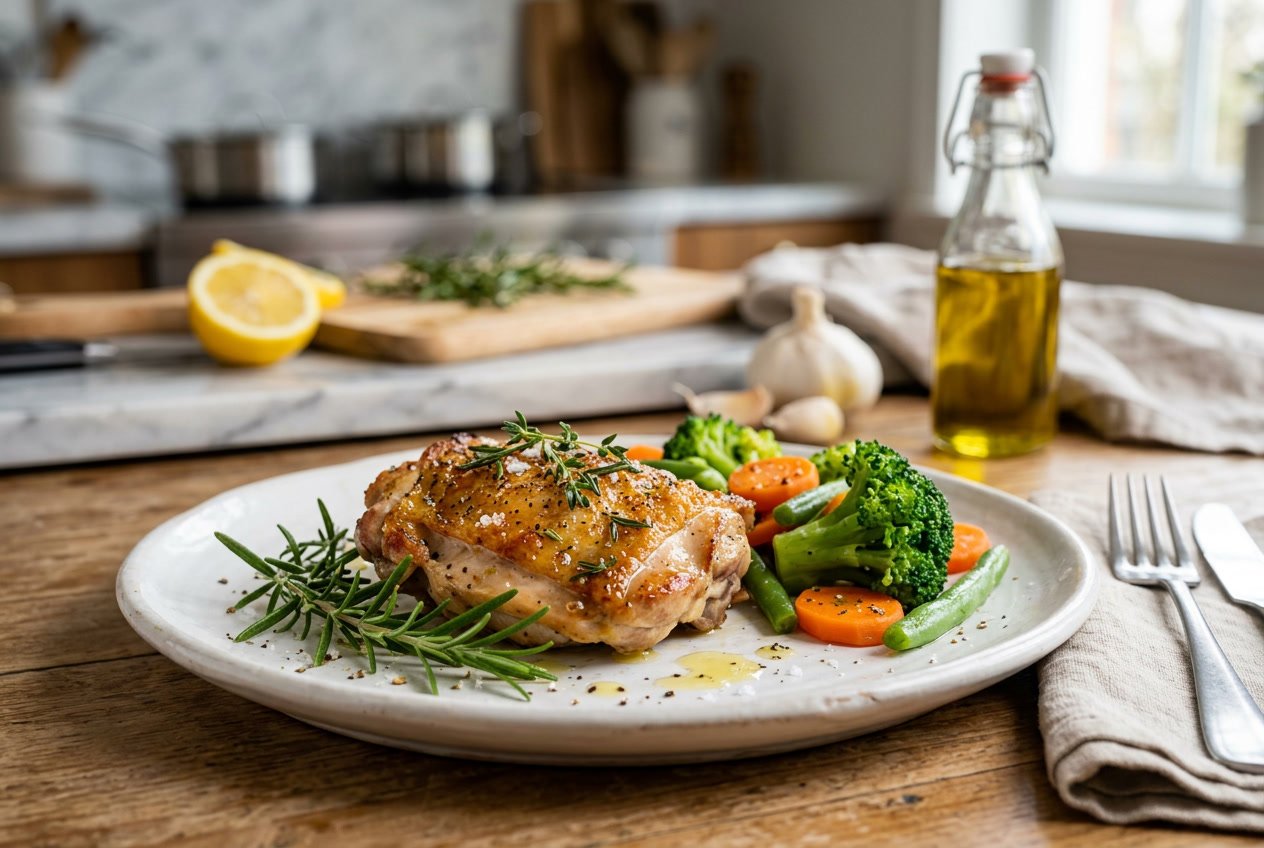
This post covers the nutrition that matters, how to pick the healthiest thighs, and which cooking methods and meal templates keep calories in check while maximizing flavor.
Follow practical tips and comparisons to other cuts so you can include chicken thighs without derailing your progress.
Can You Get Lean Eating Chicken Thighs?
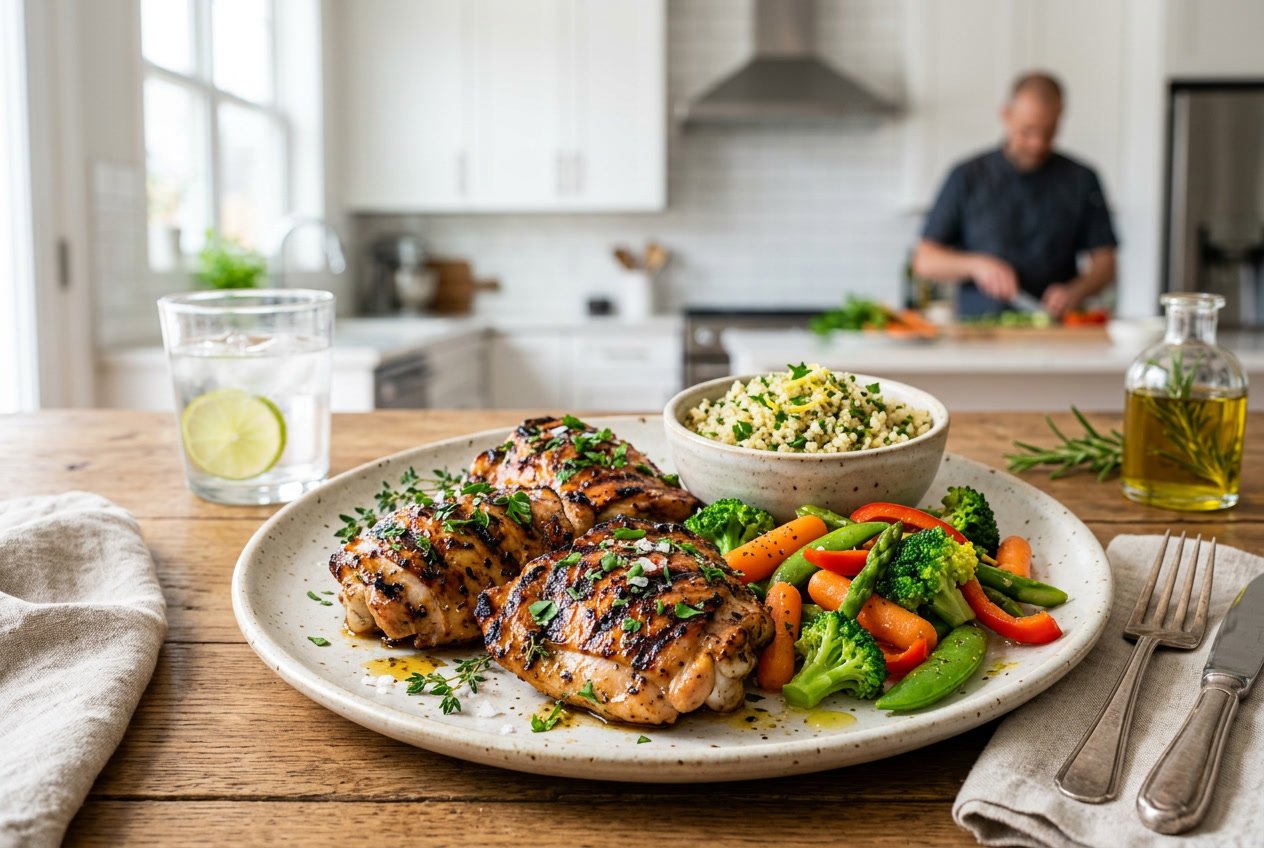
You can include chicken thighs in a plan that reduces body fat if you control calories, prioritize protein, and choose preparation methods that limit added fat.
Skinless thighs deliver high-quality protein with moderate fat, which helps with muscle retention while you cut calories.
Role of Protein and Fat Loss
Protein supports muscle maintenance when you eat fewer calories.
A 100 g cooked skinless chicken thigh usually provides about 20–25 g of protein, helping you hit targets like 0.7–1.0 g per pound of bodyweight if you’re strength training.
Keeping protein high preserves lean mass and modestly boosts resting energy expenditure.
Fat in chicken thighs changes the energy density of your meals.
With skin removed, fat drops substantially (roughly 4 g per 100 g raw), making portions easier to fit into a calorie plan.
If you eat thighs with skin, expect roughly double the fat and many more calories per serving, which makes meeting a calorie deficit harder unless you adjust other foods.
Choose skinless thighs or trim visible fat, and use low-fat cooking methods like grilling, baking, or broiling to get protein benefits without excess calories.
That lets you retain muscle while losing fat.
Impact of Calorie Intake
Weight loss requires a sustained calorie deficit.
Chicken thighs can fit into that deficit, but their higher fat content raises per-serving calories compared with breast meat.
For example, 100 g raw skinless thigh provides about 120–140 kcal; the same weight with skin approaches 200+ kcal.
Track portion sizes and account for added fats from marinades, oils, or sauces.
Swap frying and heavy sauces for herbs, citrus, or spice rubs to keep calories down.
Plan sides accordingly: pair a 150 g cooked skinless thigh with 150–200 g non-starchy vegetables and a controlled carb portion to stay within your daily target.
Use a food scale and nutrition app for several weeks to learn how thigh portions affect your total energy intake.
Adjust portion frequency (fewer thighs on lower-calorie days) rather than eliminating them entirely.
Satiety and Appetite Control
Fat and protein both increase fullness compared with carbs alone.
Chicken thighs provide a combination of both, which helps reduce hunger between meals.
That satiety can make it easier to maintain a calorie deficit without frequent snacking or overeating later in the day.
The higher palatability of thighs—the juicier texture and richer flavor—can improve adherence to a diet.
You’re more likely to stick with a plan that includes foods you enjoy.
Rely on skinless thighs or controlled portions when you need lower-calorie meals.
If you find yourself overeating after flavorful thigh dishes, split servings, save half for another meal, or balance with high-volume, low-calorie sides like leafy greens and steamed vegetables.
Chicken Thigh Nutrition
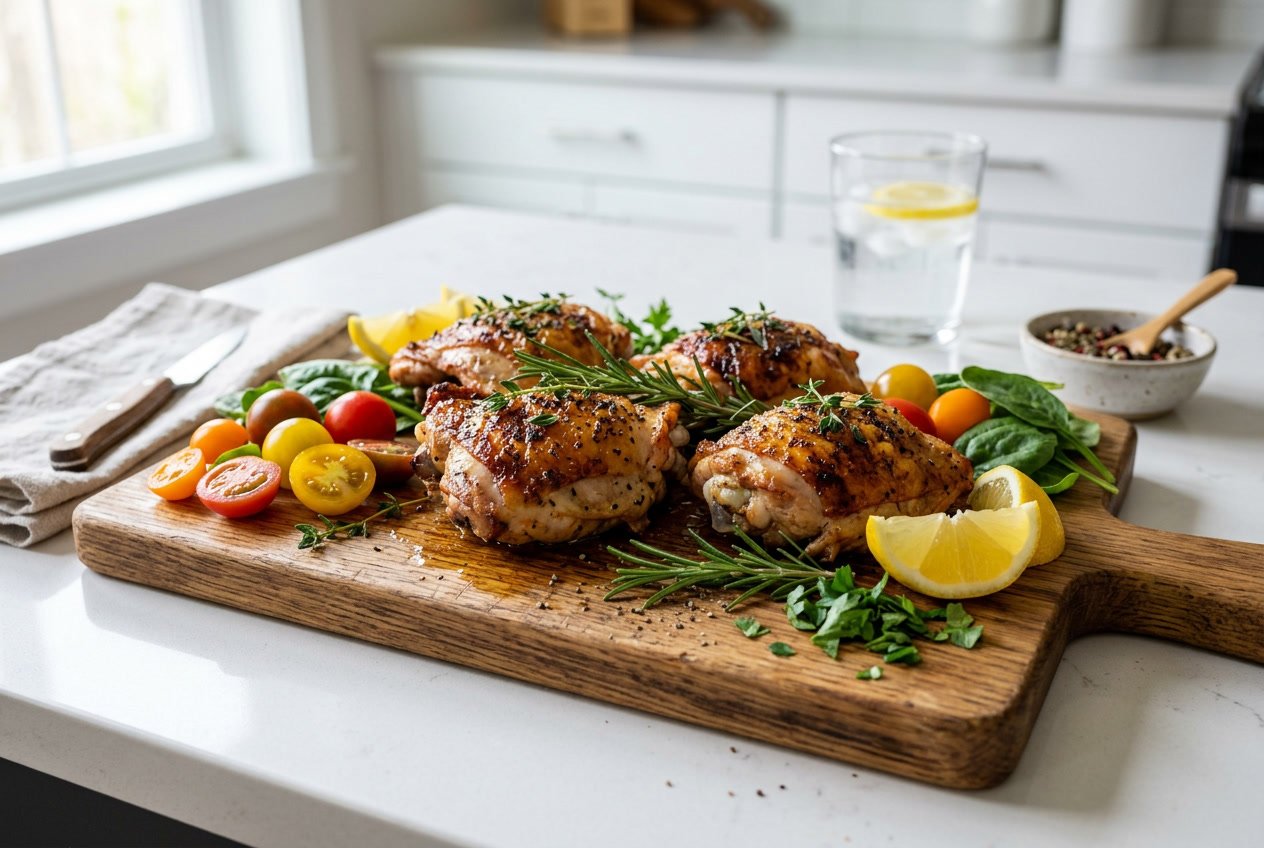
Chicken thighs deliver concentrated protein, measurable amounts of fat, and several vitamins and minerals that support muscle repair and metabolism.
Choosing skinless thighs and mindful cooking methods helps control calories and saturated fat while preserving flavor.
Macronutrient Profile
A 3.5-ounce (100 g) cooked, skinless chicken thigh typically provides about 26 g protein and roughly 209 kcal, with around 10 g total fat.
Protein density makes thighs useful for muscle maintenance and satiety during a calorie-controlled diet.
If you eat skin-on thighs, expect higher calories and fat—often adding 50–100 kcal per serving depending on size.
Use these numbers to fit portions into your daily macro targets.
Weigh cooked portions to track intake precisely.
Protein content remains high after cooking, but water loss concentrates calories and fat, so plan portion size by cooked weight.
Micronutrients in Chicken Thighs
Chicken thighs supply B vitamins, notably niacin (B3), B6, and smaller amounts of B12, which support energy metabolism and nervous system function.
You’ll also get iron and zinc—minerals important for oxygen transport, immune response, and recovery.
One serving provides modest amounts of selenium, phosphorus, and potassium.
These minerals contribute to antioxidant defense, bone health, and fluid balance.
Compared with breast meat, thighs often contain slightly higher amounts of iron and zinc.
Eating thighs with vegetables and whole grains improves overall micronutrient intake and aids absorption of iron.
Fortify meals with vitamin C–rich sides to maximize nonheme iron uptake.
Fat Content Explained
Most fat in chicken thighs is monounsaturated and polyunsaturated, but thighs also contain saturated fat—typically about 2–3 g per 100 g cooked, skinless portion.
The skin adds most of the extra fat; removing it cuts total and saturated fat substantially.
Fat raises calorie density: 10 g fat equals about 90 kcal.
If you aim to lean out, control added fats (oils, butter) and prefer grilling, baking, or broiling over frying.
Skin-on, heavily salted, or breaded preparations increase calories and sodium quickly.
Focus on portion control and cooking method.
You can include chicken thigh fat within a balanced diet by tracking portions, trimming visible fat, and pairing thighs with high-fiber, low-calorie sides to keep meals satisfying without excess calories.
Choosing the Healthiest Type of Chicken Thighs
Pick thighs that match your goals: remove skin to cut fat and calories, choose boneless for convenience and portion control, and prioritize pasture-raised or certified labels to reduce antibiotic and contaminant concerns.
Skinless vs. Skin-On Chicken Thighs
Skinless chicken thighs reduce total fat and saturated fat by roughly half compared with skin-on pieces.
If you aim to get lean, choose skinless chicken thighs to lower calories per serving while keeping about 20–25 g protein per 100 g.
Cooking methods still matter.
Grill, bake on a rack, or poach rather than frying to avoid adding extra fat.
Retain flavor by marinating with acid (lemon, vinegar) and herbs, or use a light brush of olive oil.
If you want occasional richer meals, cook skin-on and remove the skin after roasting to capture some moisture without eating the extra fat.
Boneless vs. Bone-In
Boneless, skinless chicken thighs cook faster and make portion sizing simpler, which helps you control calories.
They also shred easily for salads, bowls, and meal prep where you track macros.
Bone-in thighs hold moisture and often taste juicier; they can yield slightly higher cooking yields so you may eat less to feel satisfied.
Plan for longer cook times and account for the bone when weighing raw portions; a 150 g bone-in piece contains less edible meat than a 150 g boneless piece.
Selecting Quality and Sourcing
Look for clear labeling: skinless chicken thighs, no antibiotics ever, and pasture-raised or organic when possible.
These labels indicate lower likelihood of antibiotic residues and sometimes better nutrient profiles from varied diets.
Buy from a reputable butcher or brands with third-party certification (USDA Organic, Global Animal Partnership).
Check packaging dates, avoid swollen packs, and prefer vacuum-sealed pieces for longer fridge life.
If budget limits you, frozen skinless chicken thighs often match fresh in nutrition and allow portion control for lean-eating plans.
Best Cooking Methods for Lean Results
Choose skinless, trimmed thighs and cook them with minimal oil.
Focus on methods that let fat render away or avoid adding fat altogether so you keep calories and saturated fat low while preserving juicy chicken thighs.
Grilling and Baking Techniques
Grill thighs over medium-high heat to get charred edges without long contact with hot oil.
Use a wire rack and preheat the grill; cook until internal temperature reaches 165°F (74°C).
Let the meat rest 5 minutes so juices redistribute and the thighs stay juicy.
For baking, place skinless thighs on a rack set inside a rimmed sheet pan.
Roast at 400°F (200°C) for 20–30 minutes depending on thickness, turning once for even browning.
Use a thermometer to avoid overcooking; baked thighs retain moisture better if you finish with a minute under the broiler for crisp edges.
Tips:
- Marinate with acid (lemon, vinegar, yogurt) plus spices to add flavor without oil.
- Pat thighs dry before cooking for better sear and less sticking.
- Grill or rack methods allow fat to drip away, lowering final fat content.
Reducing Added Fats in Cooking
Replace tablespoons of oil with sprays or nonstick pans to cut calories.
Use 1–2 teaspoons of olive oil total for a pound of thighs, or use an oil mister to evenly coat without excess.
Swap butter-based sauces for herb‑yogurt, salsa, or vinegar-based dressings.
Those provide moisture and flavor while adding minimal saturated fat.
When braising or slow-cooking, chill the finished dish briefly and skim the solidified fat from the surface before reheating.
Practical swaps:
- Instead of pan-frying in 2 tbsp oil, sear quickly then finish in the oven on a rack.
- Breaded coatings? Use panko sparingly and air-fry to reduce oil uptake.
- For marinades, prioritize acids and spices; only a teaspoon of oil is needed to help herbs stick.
Portion Control and Serving Sizes
Weigh your cooked thigh portions to keep servings consistent.
Aim for about 100–120 g cooked weight per serving (roughly one medium boneless, skinless thigh) to stay within common lean-meat guidelines for fat and calories.
Plate structure matters.
Make half your plate non-starchy vegetables, one quarter whole grains or starchy vegetable, and reserve one quarter for the thigh.
If you use richer preparations (skin-on, creamy sauce, or frying), reduce the thigh portion to 75–90 g or remove skin to keep the meal leaner.
Quick portion strategies:
- Use a kitchen scale or compare to a deck of cards (≈100 g).
- Share a thigh and add a large salad when eating out.
- Track calories for a few meals to learn your typical portion size and adjust from there.
Chicken Thighs in Meal Planning and Recipes
Chicken thighs give you concentrated protein, adaptable cooking methods, and budget-friendly portions that fit into a calorie-controlled plan.
You can use bone-in or boneless thighs, choose skinless to save calories, and rely on simple seasonings or sauces to add flavor without excess fat.
Healthy Chicken Thigh Recipes
Use boneless, skinless thighs for quicker, leaner meals; bone-in works well for slow-cooked dishes where juices add flavor.
Try these approaches:
- Grilled lemon-herb thighs: marinate in lemon, garlic, and oregano; grill and serve with a large salad.
- One-pan roasted thighs with broccoli and sweet potato: roast at 400°F, let fat drip away on a rack.
- Stir-fry with peppers and snap peas: thinly slice thighs, cook quickly in a nonstick pan with 1 tsp oil, finish with low-sodium soy or tamari.
Portion control matters: aim for 3–4 ounces cooked per serving.
Swap heavy creams or sugary sauces for yogurt-based dressings, tomato-based sauces, or spice rubs to keep calories and added sugars low.
Balancing Meals for Weight Loss
Pair your chicken thighs with fiber and volume to stay full on fewer calories.
Compose meals with:
- Vegetables: 1–2 cups nonstarchy veggies (leafy greens, broccoli, zucchini) per plate.
- Whole grains or starchy sides: ½ cup cooked quinoa, brown rice, or a medium baked potato when you need more energy.
- Healthy fats: 1 tablespoon olive oil or a quarter avocado per meal for satiety.
Track macronutrients if you want precision: target roughly 20–30 g protein per meal from a 3–4 ounce serving of cooked thigh.
Use cooking methods that limit added fat—grilling, baking on a rack, or sautéing with minimal oil—to keep meal calories aligned with your weight-loss goals.
Chicken Thighs vs. Other Cuts for Getting Lean
You can include chicken thighs in a lean-eating plan if you control portions and cooking methods.
Focus on skinless chicken thighs and simple preparations to keep calories and saturated fat low.
Chicken Thighs vs. Chicken Breasts
Chicken breasts (skinless, boneless) provide more protein per 3-ounce cooked serving and substantially less total and saturated fat than chicken thighs.
If you prioritize absolute protein with minimal calories, breast gives roughly 26 g protein and about 3 g fat per serving. Thighs offer about 20 g protein and around 9 g fat per 3-ounce serving.
Skinless chicken thighs contain valuable micronutrients such as iron, zinc, and vitamin B12, which are higher than in breast meat.
You can use thighs to increase meal satisfaction, which helps you stick to a calorie target.
Choose skinless cuts, grill or bake them, and watch portion size (3–4 ounces cooked) to keep them compatible with a lean diet.
Comparison with Other Lean Proteins
Skinless chicken thighs have calories and fat that place them between other lean proteins like turkey breast, white fish, or plant proteins such as tofu and legumes.
White fish and lean pork cuts offer fewer calories per gram of protein than thighs. Legumes provide fiber and phytochemicals that meat does not contain.
Here is a quick comparison for meal planning:
- Protein density: breast ≥ white fish > turkey breast > skinless thighs.
- Micronutrients: thighs ≥ other white meats (more iron, B12).
- Satiety and flavor: thighs > many white proteins.
Rotating protein sources adds nutrient variety and flavor to meals. Use skinless thighs for taste and nutrients, and choose breasts, fish, or plant proteins for lower-calorie, higher-protein options.


