
Can You Get Chicken Thighs Without Bones? Options & Preparation Guide
You can get chicken thighs without bones. Stores sell boneless thighs, and you can also remove the bone yourself from bone-in thighs for skin-on or budget-friendly options.
Boneless thighs come skinless or skin-on and work well when you want quicker cooking, easier portioning, or recipes that call for shredded or sliced chicken.
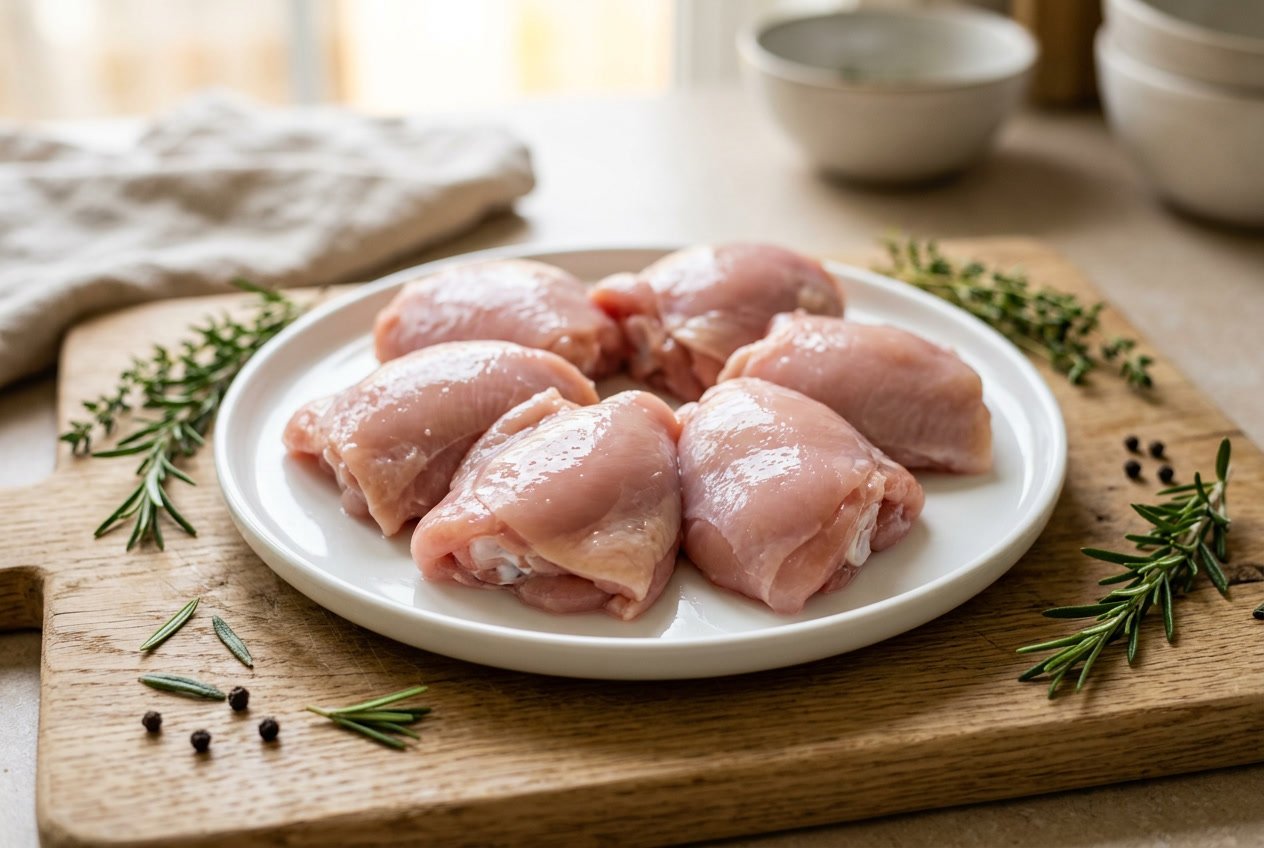
If you want the cheapest route, buy bone-in and debone at home. If you want convenience, buy pre-deboned.
Can You Get Chicken Thighs Without Bones?
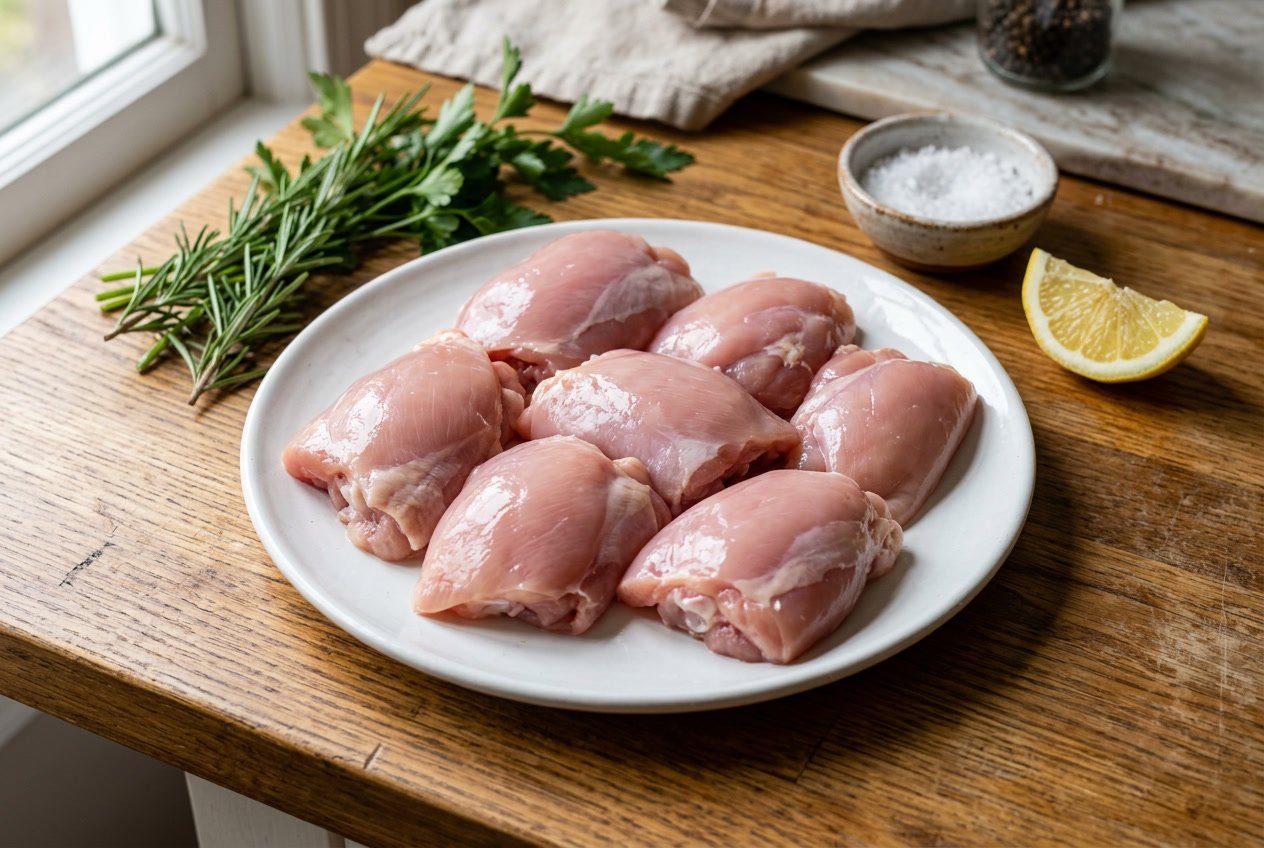
You can buy boneless chicken thighs in fresh and frozen forms. Options include skin-on, skinless, and pre-seasoned packs.
Prices and packaging vary by retailer. You can also debone bone-in thighs at home if you want to control cost or cut thickness.
Availability of Boneless Chicken Thighs
Most supermarkets stock boneless chicken thighs year-round in the fresh meat case and frozen aisle. Look for packages labeled boneless or boneless skinless chicken thighs.
Stores often offer both store-brand and national-brand options like Tyson or Perdue. Specialty grocers and butcher shops may carry boneless, skin-on chicken thighs if you want the flavor benefit of skin without the bone.
Seasonal sales and bulk warehouse clubs like Costco or Sam’s can lower per-pound cost. If you can’t find pre-deboned thighs, ask the butcher to remove bones.
Buying bone-in and deboning at home gives you the most meat for your money.
Common Store-Bought Options
You’ll see three package types: fresh boneless skinless thighs, frozen bulk bags, and pre-marinated trays. Fresh boneless skinless thighs are convenient for quick cooking.
Frozen bags offer longer storage and are often cheaper per pound. Pre-marinated or seasoned boneless thighs save prep time but limit control over sodium and flavors.
If you prefer texture from the skin, choose boneless, skin-on chicken thighs. They crisp under high heat.
Nutrition labels and weight per package vary, so check the net weight and servings to compare cost.
Comparison With Bone-In Chicken Thighs
Boneless thighs cook faster and are easier to portion. They are ideal for salads, sandwiches, and quick weeknight meals.
Bone-in thighs contribute more flavor during slow roasting or braising. Bone-in thighs often stay moister during long cooking and can be less expensive per pound.
If you want both convenience and flavor, pick boneless, skin-on chicken thighs or buy bone-in and remove the bone yourself.
Types of Boneless Chicken Thighs
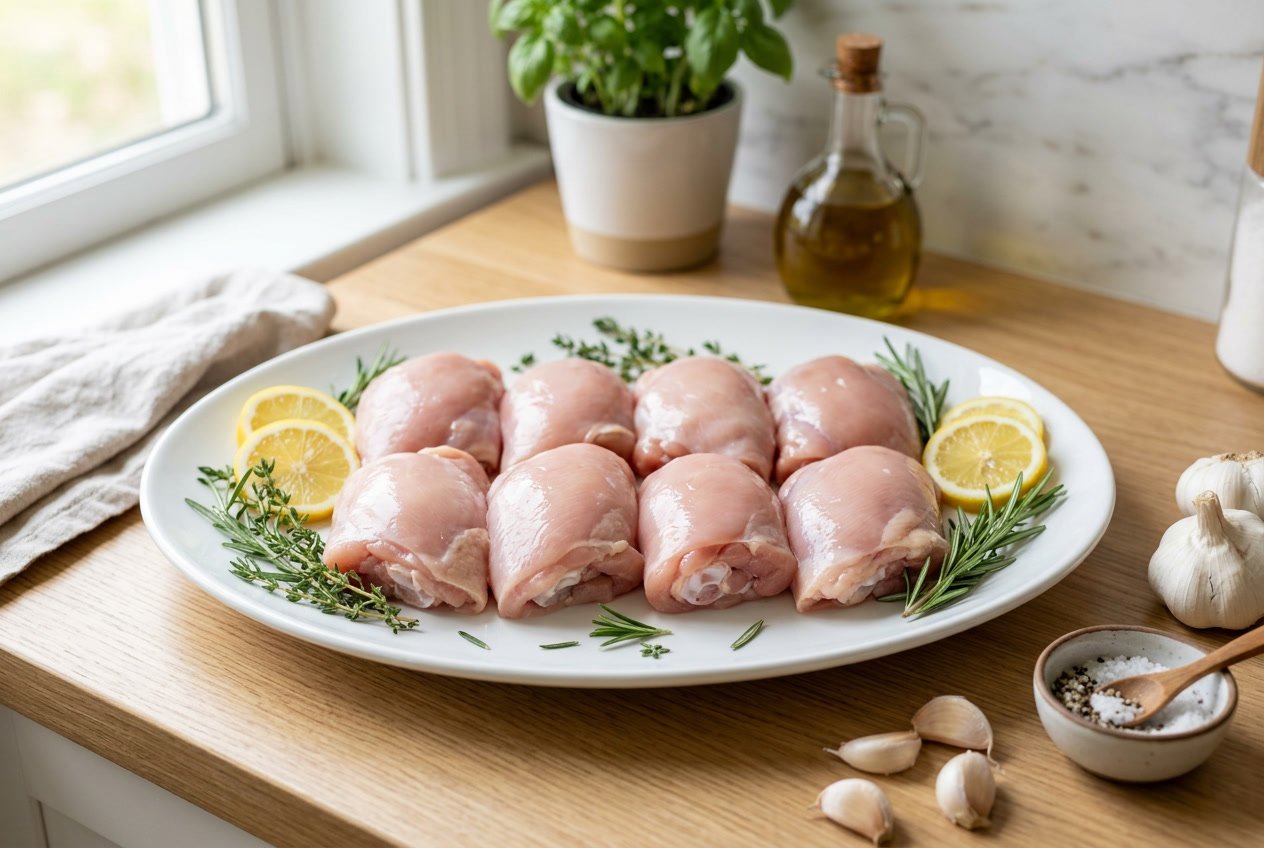
You’ll find three common boneless thigh options that differ in skin presence, cook time, and typical uses. Choose based on texture, how you plan to cook them, and whether you need ready-to-use portions.
Boneless, Skinless Chicken Thighs
Boneless, skinless chicken thighs are trimmed of both bone and skin, so they cook faster and require little prep. They’re leaner than skin-on thighs and absorb marinades quickly.
These thighs are ideal for stir-fries, curries, and sandwiches where uniform pieces matter. Because they lack skin, they can dry out if overcooked.
Use a meat thermometer (165°F/74°C) and shorter cooking methods like pan-searing, quick braises, or high-heat roasting. Portion control is easy; packages often list weight per piece so you can plan servings.
Boneless, skinless thighs have slightly less fat and calories than skin-on thighs while retaining more flavor than breast meat. Look for labels like antibiotic-free or air-chilled if those attributes matter to you.
Boneless, Skin-On Chicken Thighs
Boneless, skin-on chicken thighs keep the skin while removing the bone. The skin renders fat during cooking and protects the meat, so these thighs stay juicier and develop crisp, golden skin when seared, grilled, or roasted.
They require slightly longer initial browning to crisp the skin but usually finish quickly because there’s no bone. Use skin-side-down searing first, then finish in the oven or on indirect heat for even cooking.
They suit meals where texture counts, like crispy-skinned bowls, grilled plates, and sheet-pan dinners. Availability can vary; ask your butcher or check specialty markets.
If you prefer less fat, you can remove skin after cooking while keeping the moisture benefits during the cook.
Pre-Trimmed and Specialty Cuts
Pre-trimmed and specialty boneless thighs include options like medallions, thin-cut pieces, or flavored and marinated packs. Butchers often offer deboned thighs left whole, pounded, or cut into strips.
Online meat services sell vacuum-sealed, portioned trays and value-added items such as pre-marinated or seasoned cuts. These cuts save prep time and improve consistency for recipes like schnitzel, tacos, or kabobs.
Medallions and thin-cut pieces cook very fast, so adjust time and heat to prevent overcooking. Check packaging for added ingredients, as some pre-marinated products contain salt, sugar, or preservatives.
If you want a specific cut, request it from the butcher. They can debone but leave skin, butterfly, or portion thighs to your specs.
Where to Buy Boneless Chicken Thighs
You can find boneless chicken thighs in several retail channels that differ by price, pack size, and options like skin-on or skinless. Decide whether you want individual meal packs, bulk trays, or specialty cuts before you shop.
Supermarkets and Grocery Chains
Major grocery chains like Walmart, Kroger, and Publix stock both boneless, skinless chicken thighs and boneless, skin-on chicken thighs in their fresh meat sections. Look for tray-packed or vacuum-sealed options.
Trays are convenient for immediate use, while vacuum-sealed packs last longer in the fridge or freezer. Check labels for terms like antibiotic-free, organic, or air-chilled.
Use store apps and weekly ads to catch sales or BOGO deals. If you need a specific size, call the meat counter before you go.
Butcher Shops and Custom Orders
Local butcher shops and meat markets give you the most control over cut and quality. You can request boneless thighs with skin-on or skinless, and ask the butcher to trim fat, butterfly, or portion them to exact weights.
Butchers often source from local farms and can tell you about feed, processing, and origin. For events, call ahead to place a custom order.
Warehouse and Bulk Retailers
Costco, Sam’s Club, and BJ’s sell boneless chicken thighs in large, value-packed quantities, often 5–10 lb packages. These are cost-effective if you cook frequently, meal-prep, or want to freeze portions.
Bulk packs commonly come boneless and skinless, though some locations carry skin-on options seasonally. Divide bulk meat into meal-sized portions and freeze flat to maintain quality.
Online Meat Delivery Services
Amazon Fresh, Instacart, and specialty services deliver boneless chicken thighs to your door, including options for boneless, skin-on chicken thighs. Use filters to choose organic, antibiotic-free, or brand-specific products.
Delivery services often show pack size and sell-by dates before you buy. For highest freshness, select same-day delivery windows and check return or refund policies if the product arrives thawed or damaged.
How to Debone Chicken Thighs at Home
Use a sharp knife, a stable cutting board, and a little patience to remove the bone cleanly while keeping skin and meat intact. Make small, controlled cuts along the bone, folding the meat away as you work.
Essential Tools for Deboning
Use a boning knife with a narrow, flexible blade around 5–6 inches for best control when cutting close to the bone. A paring knife can help with trimming small pieces of fat or connective tissue after you remove the major bone.
Choose a non-slip cutting board, plastic or wooden, large enough to lay a thigh flat. Keep a clean towel or damp paper towel under the board to prevent shifting.
Have kitchen shears available for snipping any stubborn sinew or skin ties. Keep a small bowl for discarded bones and a plate for the boneless thighs.
Sanitize your workspace and wash your hands and tools after handling raw chicken to avoid cross-contamination.
Step-by-Step Deboning Process
Place the chicken thigh skin-side down on the cutting board so you can see the bone. Use the tip of your boning knife to make a shallow incision along the length of the bone, exposing it without cutting too deep into the meat.
Work the blade along each side of the bone, angling the knife toward the bone and using short strokes to separate meat from bone. Fold the meat back as you cut to keep the bone visible.
When the bone is mostly freed, cut the connective tissue at one end and pull the bone out in a single motion. Trim excess fat or skin with a paring knife or shears so the thigh lies flat for cooking.
Pat dry before seasoning.
Handling Cartilage and Trimming Tips
After you remove the bone, you may find small bits of cartilage or tough white tendons. Use a sharp paring knife to trim these away; follow the tendon with the tip of the blade and slice it out.
If you want skin-on boneless thighs, keep the skin attached while deboning by cutting carefully between skin and meat where needed. For skinless thighs, peel the skin back before deboning.
Trim ragged edges so pieces cook evenly. Save the bones and trimmed skin for making stock if you want to reduce waste and add flavor to future dishes.
Cost, Value, and Nutrition Considerations
You’ll balance price, convenience, and nutrition when choosing between boneless, bone-in, skin-on, and skinless chicken thighs. Focus on per-pound cost, edible yield, and how skin or bone affect flavor, cooking time, and calories.
Price Comparison of Different Cuts
Bone-in thighs usually cost less per pound than boneless thighs because the bone makes up about 20% of the weight. A $2.00/lb bone-in package gives you roughly the same edible meat as a $2.50–$4.00/lb boneless package.
Skin-on thighs often sit between bone-in and boneless prices. The skin adds weight and perceived value but can be removed after cooking.
If you shop sales or buy bulk, bone-in or skin-on packages offer better raw dollar value. Boneless, skinless thighs charge a premium for processing and convenience.
Check package weights and calculate the number of usable ounces per dollar to compare actual value.
Nutritional Differences
Skin-on thighs contain more fat and calories than skinless thighs. That added fat improves juiciness and flavor.
A typical boneless, skinless thigh has fewer calories and less saturated fat than the same piece with skin attached. Bone-in vs. boneless does not change macronutrients much per edible ounce.
If you track macros, weigh cooked meat, because thighs lose about 20–25% of weight when cooked. Skin will raise calorie density; choose skinless boneless thighs to lower calories while keeping more fat than breast meat.
Thighs also provide iron and zinc at slightly higher levels than breast meat.
Cost-Effectiveness of Deboning at Home
You can save money by deboning your own thighs if you buy bone-in in bulk and have the time and skill to remove bones efficiently. If bone-in is 20% of weight, you get more edible ounces per dollar versus buying boneless at retail.
A brief learning period and a sharp boning knife reduce waste and speed the process. For meal prep, deboning at home makes sense when you plan multiple meals or want to freeze portions.
If convenience matters more than price, buy boneless, skinless thighs to skip prep. Skin-on bone-in pieces can be deboned and trimmed at home, giving you control over fat level while capturing the lower price of bone-in cuts.
Popular Dishes and Uses for Boneless Chicken Thighs
Boneless chicken thighs give you versatile, forgiving protein that stays moist and absorbs marinades. You can grill, pan-fry, roast, or simmer them into soups and curries, and they also make rich chicken stock when simmered with bones or scraps.
Grilled Boneless Chicken Thighs
Marinate thighs for 30 minutes to overnight in acidic or umami-rich mixes such as soy, citrus, yogurt, or vinegar-based blends. Pat the thighs dry and oil the grill grates.
Grill over medium-high heat for about 4–6 minutes per side until an instant-read thermometer reads 165°F (74°C). For char and caramelization, sear over direct heat first, then finish over indirect heat to avoid flare-ups.
Slice grilled thighs thin for tacos or shred them for bowls. Serve them whole with a pan sauce.
Use thicker marinades sparingly to prevent burning sugars. Reserve some sauce for finishing.
Pan-Fried and Roasted Preparations
Pan-frying creates fast, crispy edges and a glossy pan sauce. Season or dredge the thighs, then sear skinless pieces for 4–5 minutes per side in a hot skillet.
Deglaze the pan with stock, wine, or soy-honey for a quick sauce. Finish with butter and fresh herbs for richness.
For roasting, spread thighs among vegetables and roast at 425°F (218°C) for 20–30 minutes until juices run clear. Serve with mashed potatoes, grains, or a simple green salad.
If you prefer a lighter crust, coat thighs in panko or cornflake crumbs and bake or air-fry until golden.
Soups, Curries, and Stews
Boneless thighs stay moist in long-simmered dishes, making them ideal for curries, chicken stews, and Asian soups like tom kha.
You can cut them into chunks or leave them whole. Add them later in the cooking process for firmer pieces or earlier for a shreddable texture.
If a recipe calls for chicken stock, use leftover bones or a separate batch of bone-in parts to extract gelatin and depth. Add the shredded boneless thigh meat to the finished broth.
Thighs absorb curry pastes, aromatics, and coconut milk well. They produce tender, flavorful results that finish quickly compared with bone-in cuts.


