
Can You Get Boneless Skinless Chicken Thighs? Where And How Explained
You can get boneless skinless chicken thighs at most grocery stores, many online retailers, and budget chains. They’re a common, convenient option when you want juicy, versatile chicken without bones or skin.
Boneless skinless thighs save prep time and cook evenly. They make a practical choice for weeknight dinners, meal prep, and a wide range of recipes.
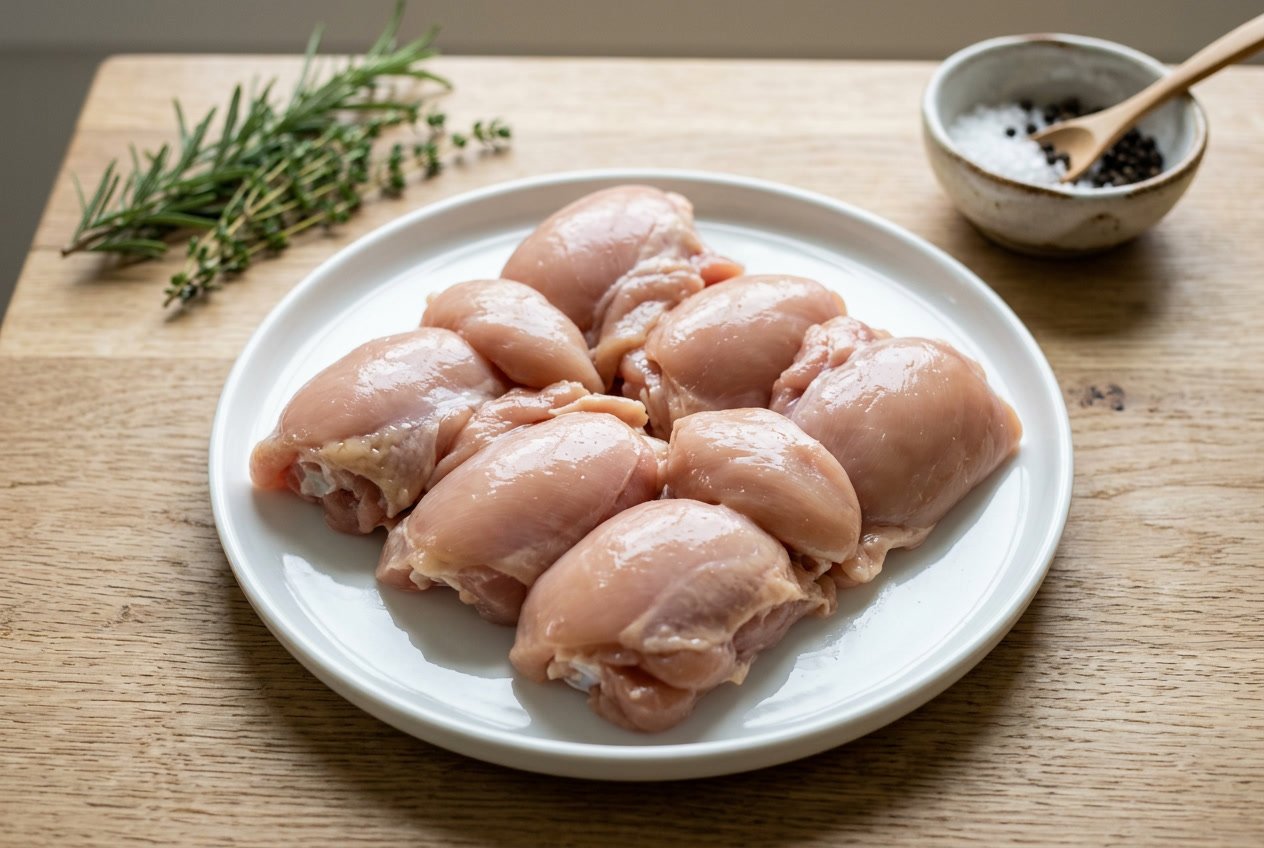
Availability varies by store, brand, and whether you choose organic or conventional options. Processing, pricing, and demand affect what you find on the shelf.
Can You Get Boneless Skinless Chicken Thighs?
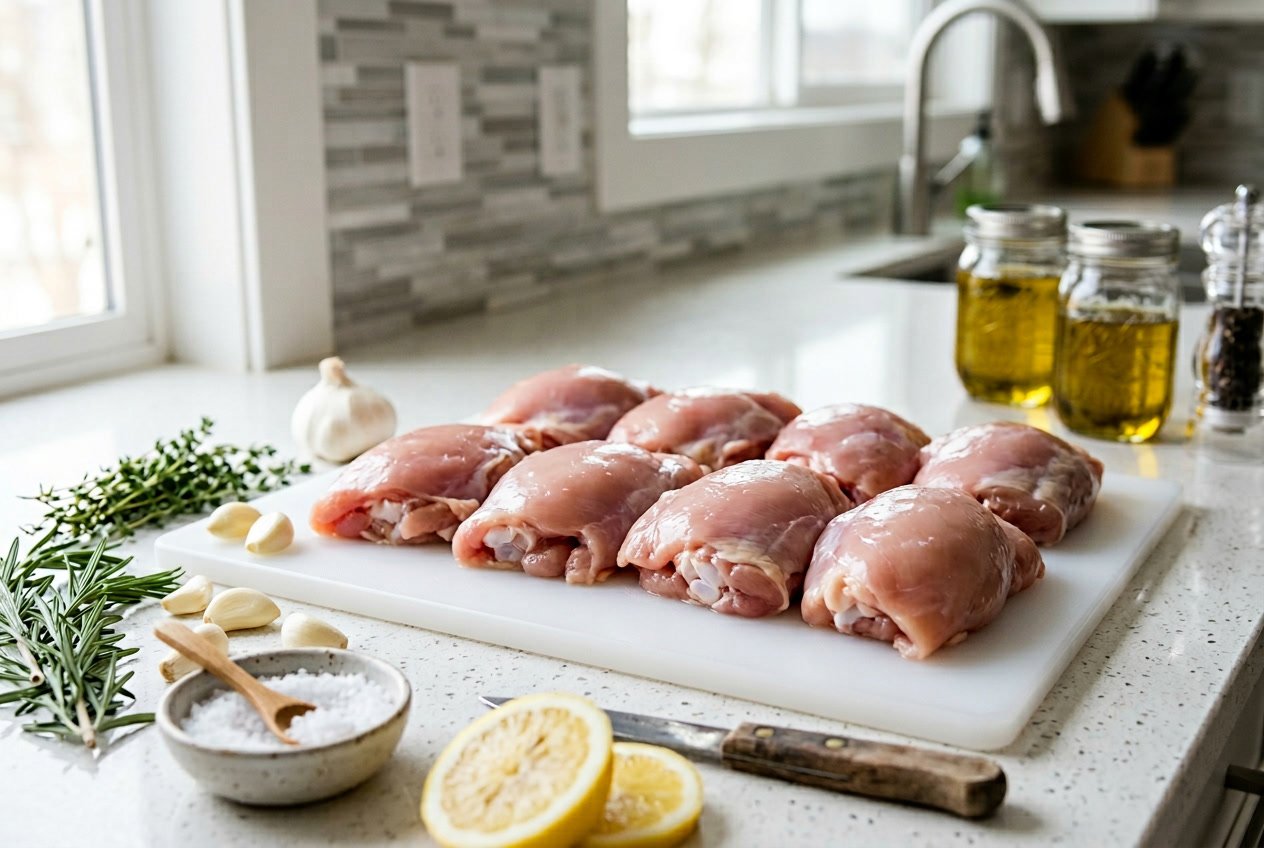
You can buy or prepare chicken thighs without bone and skin for faster cooking and easier eating. These cuts keep more fat and flavor than chicken breast, and they appear in grocery family packs, organic lines, and bulk brands.
What Boneless Skinless Chicken Thighs Are
Boneless skinless chicken thighs are the thigh muscle removed from the bone and stripped of skin. You’ll typically find them sold as individual pieces or in family packs weighing from about 1.5 to 6 pounds, depending on retailer and brand.
Because the bone and skin are removed, these thighs cook faster and more evenly than bone-in or skin-on cuts. They still retain dark-meat fat, which keeps the meat moist and flavorful during grilling, roasting, or pan-frying.
Nutrition-wise, these thighs have higher fat and slightly more calories than chicken breast, plus about 19 grams of protein per typical serving. You can buy them fresh, frozen, antibiotic-free, or organic from major grocery chains and wholesale clubs.
How They Differ From Other Chicken Thigh Cuts
Bone-in, skin-on chicken thighs include the thigh bone and the skin layer, which adds flavor and slows cooking. Bone-in pieces take longer to reach safe internal temperature but often yield richer pan juices and crisper skin when roasted.
Skinless but bone-in thighs remove only the skin; they still take longer to cook than boneless pieces and give you the option to leave the skin on if you change your mind. Boneless skinless thighs trade that extra flavor and cooking time for convenience—easier slicing, faster marination, and simpler portioning for recipes.
When choosing between cuts, match the cut to your method. Pick boneless skinless for quick sautés and skewers, bone-in skin-on for slow roasting or smoking, and skinless bone-in when you want some structural integrity but less fat.
Availability of Boneless Skinless Chicken Thighs
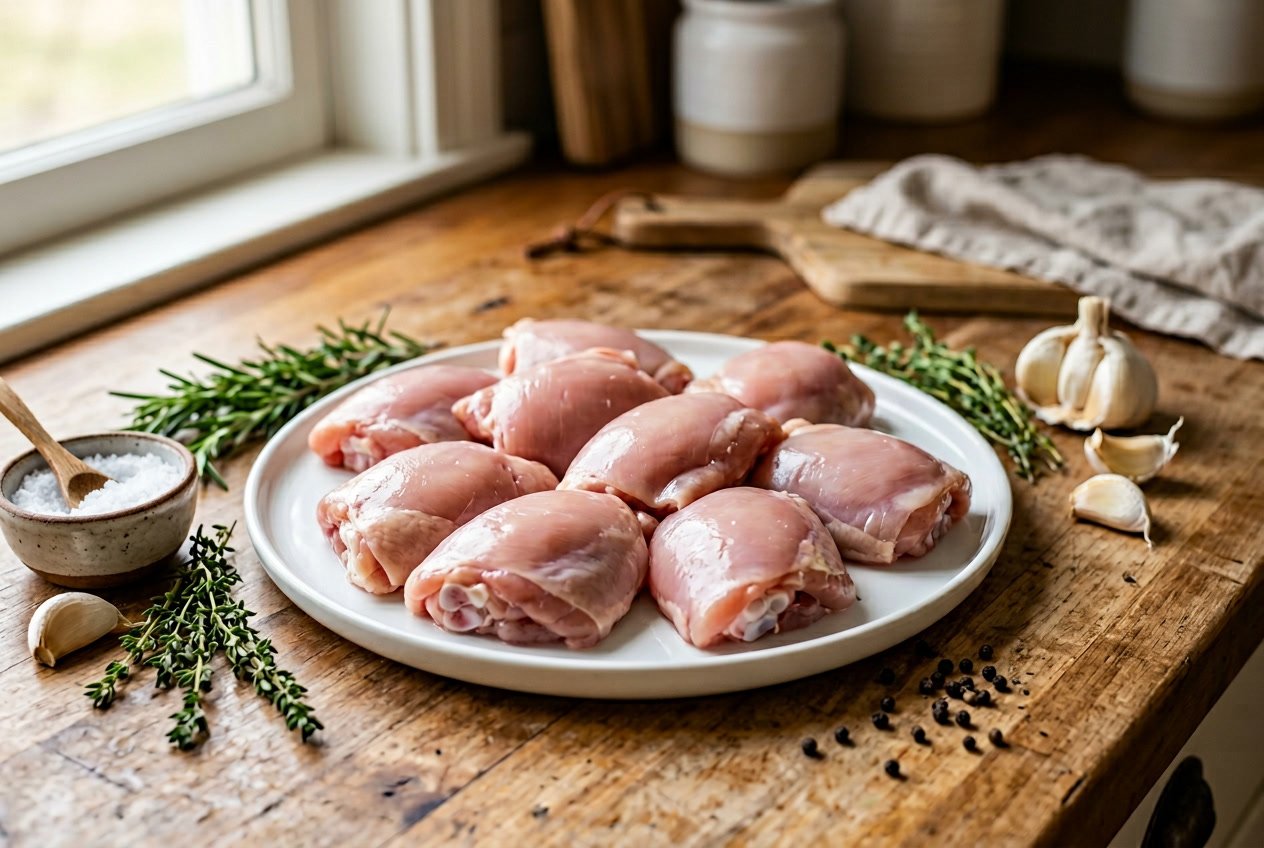
You can find boneless skinless chicken thighs in supermarkets, specialty meat shops, and online marketplaces. Options range from single-pound trays to multi-pound bulk packs, and you’ll see conventional, organic, and antibiotic-free labels.
Where To Buy Them In Grocery Stores
Most major grocery chains stock boneless skinless chicken thighs in the fresh meat case and frozen section. Look for tray-packed 1–3 lb packages from store brands or national brands like Perdue and Tyson.
Prices commonly run between about $5–$10 per pound depending on organic or specialty labeling. Check labeling for “no added solution” or “air-chilled” if you want less water retention.
Use loyalty apps and weekly ads to find BOGO or digital-coupon deals that lower per-pound cost. Buy early in the day for the best selection and inspect the sell-by date and packaging integrity before checkout.
Purchasing From Butchers And Meat Markets
Butchers and local meat markets often offer fresher, higher-quality boneless skinless chicken thighs and can debone or trim to your specs. You can request antibiotic-free, pasture-raised, or specific portion sizes.
Some shops will portion and vacuum-seal for long-term freezing. Call ahead to reserve larger quantities, especially for weekend dinners or events.
Expect higher per-pound prices than supermarkets but gain transparency about the bird’s origin and processing. Ask the butcher about storage recommendations and whether they use marinades or added solutions.
Finding Boneless Skinless Chicken Thighs Online
Online retailers provide convenient delivery or pickup for boneless skinless chicken thighs, including Amazon Fresh, Instacart, Walmart Grocery, and Costco same-day delivery. You can filter by organic, free-range, or brand and compare per-pound prices across sellers before ordering.
For bulk needs, warehouse sites like Costco and Sam’s Club sell 5–10 lb packs (often under Kirkland or Member’s Mark). Read product descriptions for packaging type (vacuum-sealed vs. tray-packed) and estimated shipping time to avoid temperature abuse.
Use customer reviews to check freshness and portion accuracy when trying a new vendor.
How Boneless Skinless Chicken Thighs Are Produced
Processors remove bones and skin using a combination of manual and automated methods. Processing, labor, and packaging all influence the final product and its price.
Deboning And Skin Removal Process
Deboning starts with a partially broken-down carcass or whole leg pieces. Workers or machines make a controlled incision along the thigh bone, then separate meat from bone by following the bone’s contour to preserve the thigh’s shape and muscle fibers.
Skilled butchers use flexible, sharp boning knives. Automated deboning machines use guided blades and rollers to strip meat from bone at higher volumes.
Skin removal can occur before or after deboning. For skinless products, processors either manually pull and trim the skin or use scalding and mechanical defeathering followed by targeted skin separation.
Hand work reduces tearing and maintains a neat, intact boneless thigh for retail presentation. Final steps include trimming visible fat, weighing to target pack sizes, and metal or X-ray scanning for contaminants.
Challenges In Processing
Maintaining consistent shape and texture presents a major challenge. Machine-deboned thighs can look uneven or become “mechanically separated” if blades nick muscle tissue, which affects cooking performance and appearance.
Food-safety control also complicates processing. Every cut and trim increases exposure risk to pathogens like Campylobacter, so processors enforce strict hygiene, frequent microbial testing, and continuous temperature control.
Bone fragments and cartilage require detection systems and manual inspection to prevent physical hazards in boneless packs. Processing speed and cold-chain logistics are critical for shelf life.
Cost And Labor Considerations
Labor intensity drives cost. Hand-deboning and careful skin removal require trained workers and slower throughput, so retailers often charge more for hand-deboned or premium boneless skinless chicken thighs.
Automated lines lower per-piece labor cost but demand capital investment, maintenance, and higher initial throughput to justify expense. Removing bone and trimming fat reduces saleable weight; processors price products to cover lost meat yield and processing overhead.
Packaging choice influences cost too. Vacuum-sealed boneless skinless thighs add material and sealing time but extend shelf life, while tray-packed skin-on thighs cost less to prepare and display.
Cooking With Boneless Skinless Chicken Thighs
You can use thighs for quick weeknight mains, meal-prep batches, or slow-braised dishes that shred easily. Use methods that build browning for flavor and simple tricks to lock in moisture.
Best Cooking Methods
Searing in a hot cast-iron skillet produces a deep Maillard crust and cooks thighs in about 9–10 minutes. Pat the meat dry, season with salt and pepper, and sear presentation-side down first for 4–5 minutes, then reduce heat and finish until 165–170°F.
Air-frying at 375–380°F gives an even golden-brown exterior with minimal oil and about 15–18 minutes total cook time. Grill over direct high heat (450–475°F) for 4–6 minutes per side to get char and a smoky flavor.
For shreddable results, braise in a Dutch oven with 2/3–1 cup liquid and aromatics for 20–30 minutes at 350°F. Use the method that matches your texture goal: crispy edges, even crust, or pull-apart tenderness.
Popular Recipes
For quick dinners, pan-fried chicken thighs with garlic, lemon, and parsley takes 15 minutes and pairs well with rice or roasted vegetables. Grilled chicken thighs marinated in olive oil, smoked paprika, and lemon zest suit salads, tacos, or sandwiches.
Air-fryer thighs tossed in a spice rub create meal-prep portions that reheat well. Braised thighs with onions, carrots, and stock become a sauce-rich entrée you can serve over mashed potatoes.
Ingredients to keep on hand: kosher salt, black pepper, olive oil, garlic, and an acid (lemon or vinegar) to brighten the finished dish.
How To Maintain Juiciness
Start by bringing thighs to room temperature for 15–20 minutes so they cook evenly. Pat dry to promote browning; moisture on the surface prevents a proper crust.
Salt thighs at least 15 minutes before cooking, or up to overnight, to improve seasoning and water retention. Cook to an internal temperature of 165–170°F and remove from heat promptly; thighs remain juicy even at slightly higher temps because of the dark meat.
Let them rest 5–10 minutes before slicing so juices redistribute. For long cooks, add a small amount of liquid and low heat to prevent drying, and finish with a splash of acid or butter to enhance mouthfeel.
Comparison With Other Chicken Thigh Cuts
Boneless skinless thighs trade convenience and quick cooking for slightly less flavor and usually higher cost. Bone-in and skin-on options add richness, different cooking timelines, and often better value per pound.
Boneless Skinless vs Bone-In Thighs
Bone-in thighs keep the bone, which slows heat transfer and helps the meat stay moist during long cooks. If you braise, roast, or slow-cook, bone-in thighs develop deeper flavor and resist drying; expect 10–20 minutes longer cook times depending on method.
Boneless skinless pieces shorten prep and finish faster on high heat, making them a better choice for weeknight stir-fries, pan-searing, or grilling where you want even, quick doneness. They cost more per pound because deboning adds labor, and portion control is easier since each piece is uniform.
Handle bone-in cuts when you want flavor and value. Pick boneless skinless when you prioritize speed, uniform portions, and recipes that require quick, even cooking.
Boneless Skinless vs Skin-On Thighs
Skin-on thighs deliver crisp, browned exterior and added fat that enhances taste during roasting or pan-frying. The skin renders during cooking and bastes the meat, so skin-on thighs often taste richer and feel juicier even if total fat is higher.
Boneless skinless thighs remove that flavor source and the protective layer, so you must manage heat and add fat (oil, butter, or marinade) to avoid dryness. They shine in saucy dishes, curries, and recipes where skin would get soggy, or when you need lower surface fat.
If you want crisp skin and maximum flavor with slower or high-heat methods, choose skin-on. Choose boneless skinless for convenience, leaner surface profile, and recipes where skin interferes with texture or presentation.
Factors Influencing Supply And Demand
Boneless skinless chicken thighs move through the same supply chain pressures as other poultry cuts. Processing complexity, retail decisions, and seasonal cycles create the most direct effects on availability and price.
Consumer Preferences
Your local demand influences whether retailers stock boneless skinless thighs. Shoppers who prioritize convenience and quick cooking push stores toward pre-trimmed cuts.
In markets where consumers favor low-fat or boneless options, you’ll find more boneless thighs on shelves. Price sensitivity matters too, since boneless thighs cost more because of added labor.
Budget-conscious shoppers often buy bone-in or breasts instead, reducing shelf presence of boneless thighs. Buyers who value flavor and moisture can drive demand for bone-in thighs, which keeps boneless versions relatively niche in some regions.
Ethnic and regional cuisines also shape demand. Areas with recipes that use thighs in stews or grills may prefer specific cuts, affecting your options.
Market Trends
Industry-wide trends change what you see in stores. Processors invest in automation and packaging when demand justifies the cost.
Retailers prioritize faster-selling or higher-margin items, so if boneless thighs sell slower in your store, they’ll allocate less shelf space to them. Foodservice demand influences retail supply as well.
Restaurants buying bulk boneless thighs can tighten retail availability and raise wholesale prices, which pass to you. Growth in direct-to-consumer and online meat delivery increases access, so you can sometimes find boneless thighs through specialty butchers or e-commerce even when local supermarkets lack stock.
Role of Seasonality
Seasonal patterns influence production rates, processing capacity, and consumer buying habits. Summer grilling increases thigh demand, so processors and retailers allocate more thighs to meet outdoor-cooking needs.
You’ll often see better availability and competitive prices in late spring and summer. In winter, flocks grow more slowly and processing may slow down, which can reduce the supply of labor-intensive cuts like boneless thighs.
Holiday demand for whole birds or specific cuts can shift allocation away from boneless thighs. Weather-related transport disruptions during winter storms sometimes delay deliveries to your store.
Selecting And Storing Boneless Skinless Chicken Thighs
Choose thighs that look and feel fresh, have secure packaging, and fit your timeline for cooking or freezing. Store them cold, separate from ready-to-eat foods, and label any packages you freeze so you can use older portions first.
Freshness And Quality Indicators
Check color first. Boneless skinless chicken thighs should have a consistent pink hue without gray or green spots.
Avoid packages with dark patches or a cloudy, milky liquid in the tray. Feel the texture through the packaging or after opening.
The meat should be firm and slightly springy, not sticky or slimy. A tacky surface that doesn’t rebound means the meat has spoiled.
Smell is decisive. Fresh thighs are nearly odorless.
Discard any package with sour, ammonia-like, or unusually strong poultry smells. Inspect the packaging and date.
Choose vacuum-sealed or tightly wrapped packs with no tears and a sell-by or use-by date at least 1–2 days ahead if you plan to refrigerate. Prefer uniform-sized pieces for even cooking.
Safe Storage Guidelines
Store raw boneless skinless chicken thighs in the refrigerator at 40°F (4°C) or below. Use them within 1–2 days.
Place the package on the lowest shelf or in a sealed container to keep juices from contaminating other foods.
If you will not cook the thighs within two days, freeze them at 0°F (-18°C) or colder. Divide them into meal-sized packs, remove excess air, and label each pack with the date.
Frozen thighs maintain best quality for about 4–6 months.
Thaw frozen thighs in the refrigerator overnight, in cold water changed every 30 minutes, or with the microwave’s defrost setting if you will cook them immediately. Do not thaw on the counter.
Wash your hands after handling raw thighs. Sanitize surfaces and utensils to prevent cross-contamination.
Cook chicken thighs to an internal temperature of 165°F (74°C) for safety.


