
Can You Freeze Chicken Thighs? Safe Storage, Thawing, and Quality Tips
You can freeze chicken thighs safely. When you freeze them properly, they keep their flavor and texture for months.
Freeze raw or cooked thighs in airtight packaging and portion them for about 3–4 months. They remain safe beyond that if kept frozen, but texture may decline.
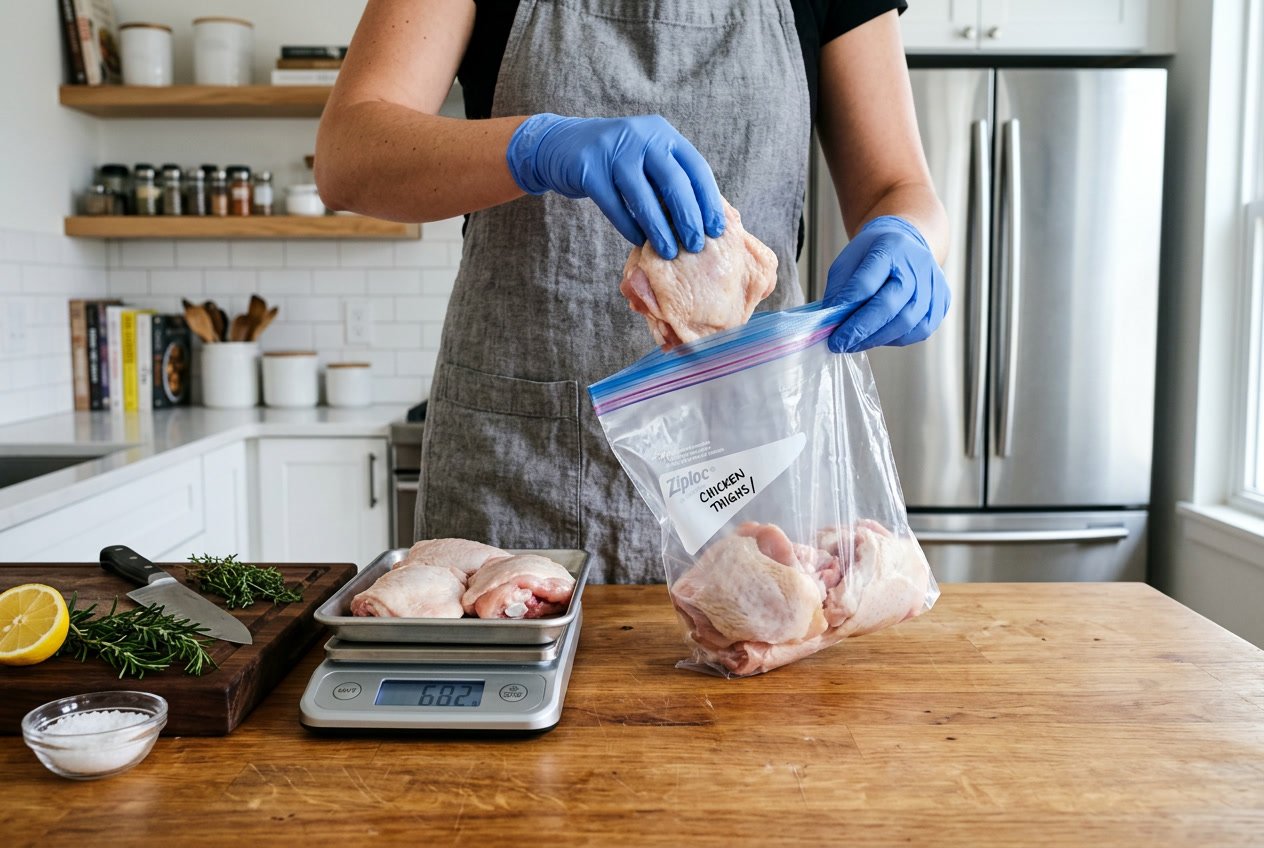
You can prep thighs for freezing using flash-freezing, wrapping, or vacuum sealing. Use clear thawing, refreezing, and reheating practices to keep meals safe and tasty.
Can You Freeze Chicken Thighs?
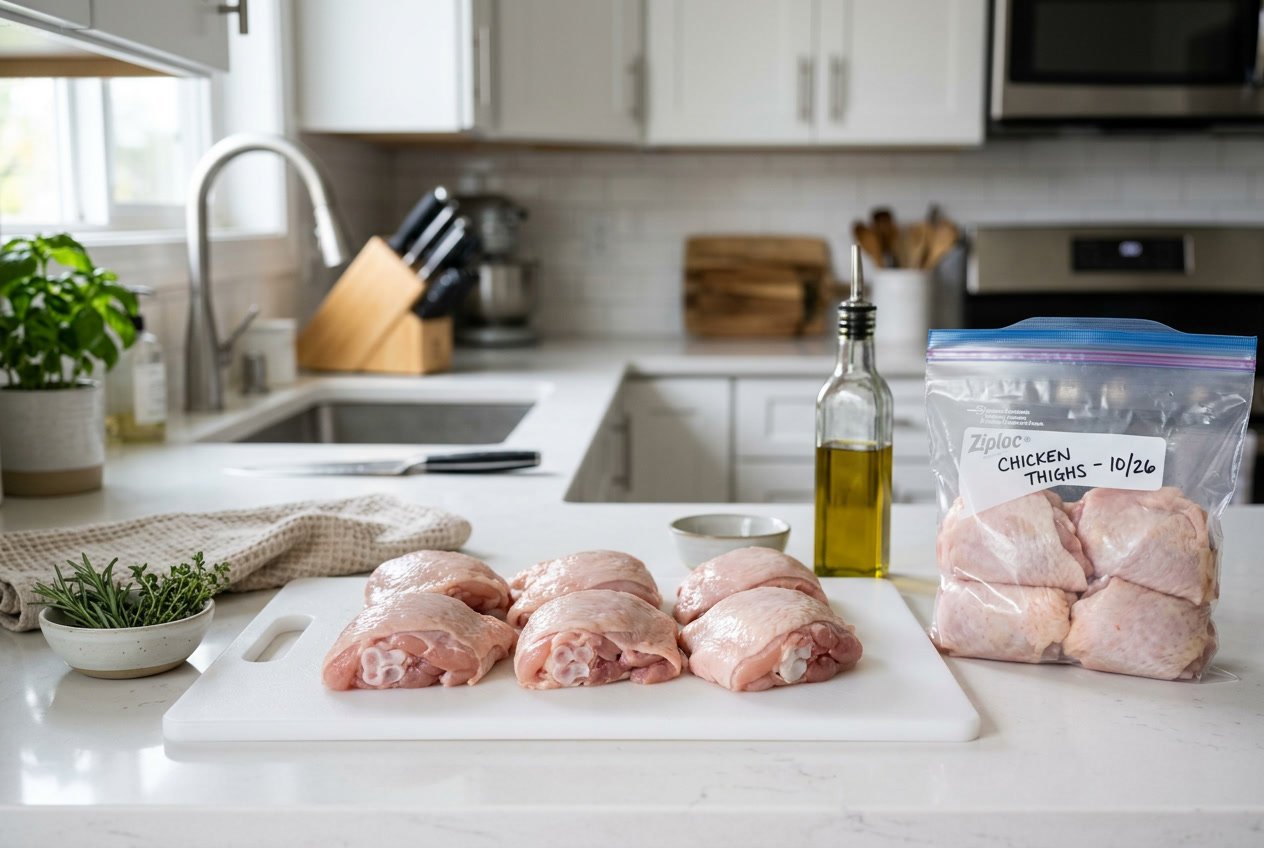
Freezing chicken thighs extends their usable life, saves money, and keeps protein ready to cook. Packaging, storage time, and thawing methods affect safety and quality.
Benefits of Freezing Chicken Thighs
Freezing chicken thighs lets you buy in bulk and reduce food waste. Portion thighs into meal-sized packages so you only thaw what you need.
Freezing cooked thighs helps with quick meals. Wrapping cooked portions airtight preserves them well.
Vacuum sealing or double-wrapping with plastic and foil helps prevent freezer burn and keeps flavor. Marinate before freezing to let thighs absorb flavor and save prep time.
Flash-freezing pieces on a tray keeps them separate, so you can grab single thighs instead of a clump.
Safety Considerations
Freeze chicken thighs only while they are fresh and within their refrigerated use window. If raw thighs have stayed at room temperature for more than two hours, do not freeze them.
Label packages with the freeze date. Keep your freezer at 0°F (-18°C) or lower.
Thaw in the refrigerator or use the cold-water method. Never thaw at room temperature.
If you thaw in cold water or microwave, cook immediately. Refreeze thighs only if they were thawed in the refrigerator and have not been cooked or held at unsafe temperatures.
Refreezing reduces quality, so plan portions to avoid repeated freezing.
How Freezing Affects Quality
Freezing stops spoilage but can change texture and juiciness over time. Raw chicken thighs keep good quality for about 3–4 months in typical home freezers.
Ice crystals can form and rupture muscle fibers, causing dryness or graininess when cooked. Remove as much air as possible from packaging and freeze quickly to prevent this.
Cooked thighs freeze well but may lose some moisture. Reheat gently and add a splash of liquid to restore juiciness.
Preparing Chicken Thighs for Freezing
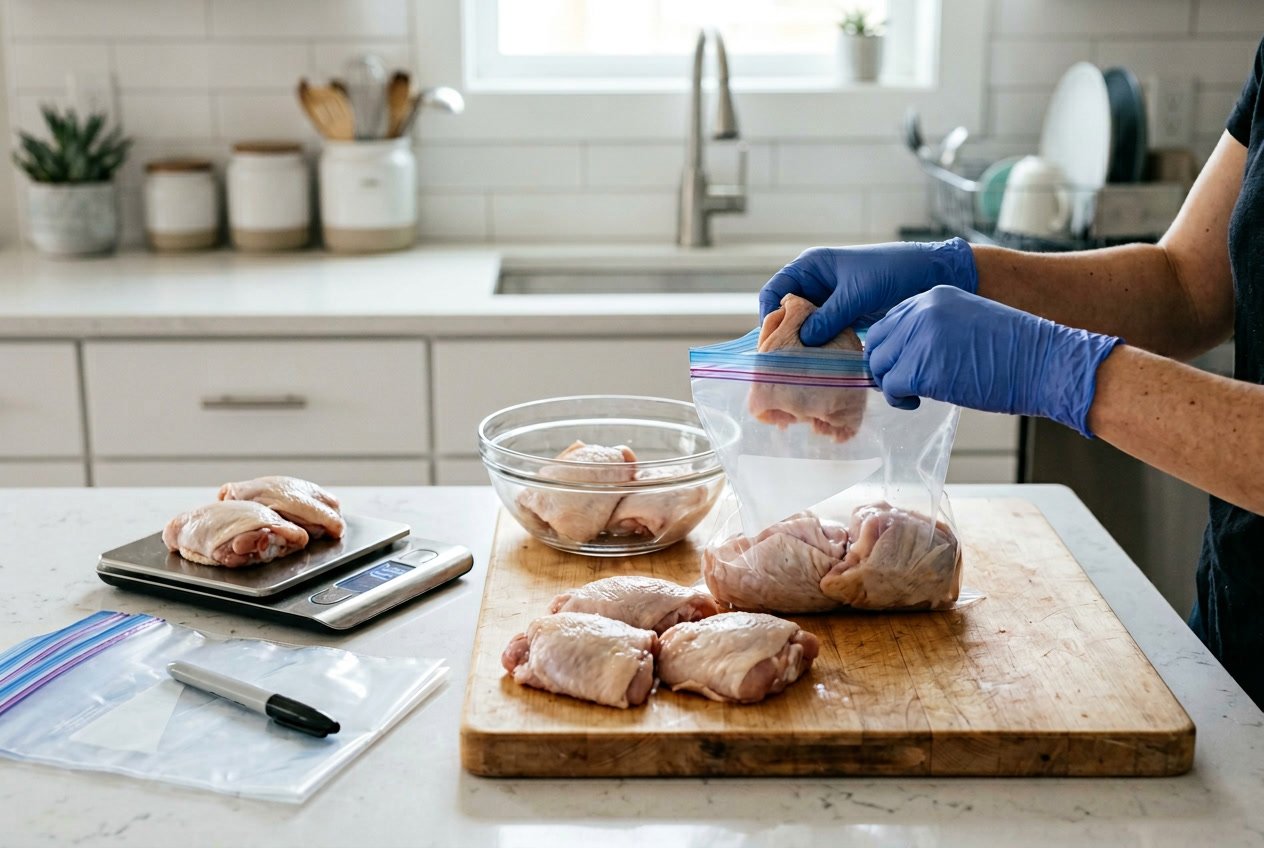
Start with quality meat and remove excess moisture. Decide whether to leave bones or skin on for future recipes.
Use portioning and airtight packaging to reduce waste and prevent freezer burn.
Choosing Fresh and Safe Chicken
Select chicken thighs with no off odors, sliminess, or discoloration. Fresh raw thighs should smell neutral and look pink.
Check package sell-by or use-by dates. If the thighs were previously frozen, confirm they never fully thawed before resale.
Buy the cut you’ll cook later. Bone-in, skin-on thighs stay moister for braises and roasts.
If you want quicker thawing and less fat, use boneless or skinless thighs. Handle raw poultry on a clean surface and wash your hands before and after.
Portioning and Trimming
Decide meal-sized portions before freezing. For family meals, package 2–4 thighs per bag. For single meals, wrap individual thighs.
Smaller packages freeze faster and keep texture better. Trim excess fat and remove loose skin or cartilage if you won’t use them.
If freezing cooked thighs, let them cool to room temperature (no longer than two hours), then portion into meal-sized containers. Label each package with weight and date.
Packaging Best Practices
Wrap each thigh tightly in plastic wrap or freezer paper, then place wrapped pieces in a heavy-duty zip-top freezer bag or airtight container. Press out as much air as possible from bags.
Vacuum-seal bone-in or skin-on thighs for longest quality. If you flash-freeze, arrange thighs in a single layer on a baking sheet until firm, then transfer to bags.
Label packages with the freezing date and note if the thighs are bone-in, boneless, skin-on, or skinless.
How to Freeze Raw Chicken Thighs
Prepare chicken thighs so they freeze quickly and stay protected from air. Remove excess moisture, separate pieces for portioning, and use airtight packaging.
Flash Freezing Raw Chicken Thighs
Flash-freeze thighs on a tray to keep individual pieces from sticking together. Pat thighs dry, then arrange them skin-side up on a rimmed baking sheet so pieces don’t touch.
Place the tray in the coldest part of your freezer for 1–3 hours until surfaces are solid. Transfer the frozen thighs into labeled, airtight bags or containers right away.
Flash-freezing preserves texture by reducing large ice crystals. If you need portions, flash-freeze single thighs first, then group them into meal-sized bags.
Work quickly to limit time above 40°F (4°C) and date each package.
Vacuum Sealing and Wrapping Methods
Vacuum sealing protects against freezer burn by removing air. Place flash-frozen or room-temperature thighs in sealer bags, remove as much air as possible, and seal.
If you don’t have a vacuum sealer, wrap thighs tightly in plastic wrap or foil, then put them into heavy-duty freezer bags and press out excess air. Double-wrap for extra protection.
Label with contents and date. Store at 0°F (-18°C) or colder.
Use within 3–9 months for best quality, with 3–4 months preferred to avoid texture and flavor decline.
Freezing Cooked Chicken Thighs
Freezing cooked chicken thighs preserves leftovers and helps with future meal prep. Proper cooling, packaging, and thawing keep safety and quality high.
Steps to Freeze Cooked Chicken Thighs
Cool the chicken completely before freezing. Pat pieces dry, then arrange them in a single layer on a baking sheet and flash-freeze for 1–3 hours until solid.
Transfer frozen pieces into airtight freezer bags or containers. Squeeze out as much air as possible or use a vacuum sealer.
Label each bag with the date and contents. Cooked chicken thighs keep best for about 3–4 months.
For shredded or sliced chicken, portion into meal-size amounts and compress flat in bags for faster thawing. Store sauces separately when possible.
Freezing Marinated or Sauced Chicken Thighs
If thighs are heavily sauced or marinated, let excess sauce drain before freezing. For wet marinades, blot lightly and freeze the chicken in a single layer first, then combine into a sealed bag once solid.
Marinades with high-acid ingredients, like lemon or vinegar, can change texture over time. Eat those within 1–2 months for best quality.
Thick, cream-based sauces may separate and become grainy after freezing. Consider freezing the chicken plain and adding fresh sauce when reheating.
Seal containers tightly and label with sauce type and date. Thaw in the refrigerator overnight and reheat until internal temperature reaches 165°F (74°C).
Quality Differences Between Raw and Cooked
Raw chicken thighs tolerate longer freezer storage (6–9 months) without major textural changes because you cook them after thawing. Cooked chicken thighs lose more moisture and are best used within 3–4 months.
Freezing cooked chicken can change texture. Breaded or crispy coatings soften, and previously moist meat can become drier.
Shredded or sauced cooked chicken freezes and reheats better than whole pieces. Freeze cooked chicken in portions you’ll use in one go and reheat gently.
How Long Can Chicken Thighs Be Frozen?
You can keep raw and cooked chicken thighs frozen for different lengths depending on packaging, freezer temperature, and quality needs. Proper wrapping and storing at 0°F (-18°C) or below matter most.
Optimal Storage Time for Raw Chicken Thighs
Store raw chicken thighs in airtight packaging or vacuum-sealed bags. For best taste and texture, use raw thighs within about 9 months.
They remain safe beyond that if consistently frozen at 0°F (-18°C), but quality declines. Label packages with the date so you use older items first.
If you notice dry, grayish patches or heavy ice crystals when thawing, expect texture and flavor loss from freezer burn. You can trim those parts or use the thigh in a heavily sauced dish.
Keep individual portions flat in freezer bags for faster freezing and easier thawing.
Optimal Storage Time for Cooked Chicken Thighs
Cooked chicken thighs hold good quality for roughly 2 to 6 months in the freezer, with 4 months a common guideline. Store cooked pieces in airtight containers or freezer bags, removing as much air as possible.
Cool cooked thighs quickly before freezing and portion them for reheating. If thawed and you detect an off odor, slimy texture, or severe freezer burn, discard the meat.
When reheating, ensure the internal temperature reaches 165°F (74°C).
Thawing Frozen Chicken Thighs Safely
Thawing frozen chicken thighs safely preserves texture and prevents bacterial growth. Choose a method based on time available and whether you’ll cook the chicken immediately.
Thawing in the Refrigerator
Place the frozen thighs on a plate or tray to catch drips and put them on the lowest fridge shelf. Allow 24 hours for every 1–2 pounds.
A single package of thighs typically thaws overnight (8–24 hours) depending on thickness and whether they’re bone-in. Keep the thighs in their original packaging or in a leakproof container.
Once fully thawed, cook within 1–2 days for raw thighs. Refreeze only if they stayed at refrigerator temperature the whole time.
Cold Water Thawing
Seal the thighs in a heavy-duty plastic bag to keep water out. Submerge the bag in cold tap water, changing the water every 30 minutes.
Estimate about 1–3 hours for a small package. Larger or bone-in packs take longer.
Cook the chicken immediately after cold-water thawing. Do not return it to the fridge for later use.
Microwave Thawing
Use your microwave’s defrost setting and follow weight prompts. Rotate or flip the thighs every few minutes to promote even thawing.
Some edges may begin cooking. If that happens, stop defrosting and cook the thighs right away.
Microwave thawing is fast, but always cook immediately after to avoid bacterial growth.
Handling Refreezing and Reheating
Follow safety and quality rules when you refreeze chicken thighs or reheat cooked ones. Use proper temperatures, portion control, and packaging.
Is Refreezing Chicken Thighs Safe?
You can refreeze raw or cooked chicken thighs only if they stayed at refrigerator temperature (40°F/4°C or below) the entire time after thawing. If you thawed in the fridge and did not leave the meat at room temperature, refreezing is safe, but expect some texture and moisture loss.
Avoid refreezing chicken thawed using cold water or a microwave unless you cook it first. Cooking kills pathogens before you freeze again.
Label refrozen packages with the original thaw date and a new freeze date. Use vacuum sealing or double-wrap with plastic and foil to reduce freezer burn.
Refreezing cooked chicken thighs is safer than refreezing raw after non-refrigeration thawing, because cooking eliminates most bacteria. Portion before freezing to minimize repeated cycles.
How to Reheat Frozen Cooked Chicken Thighs
Thaw chicken thighs in the refrigerator overnight when possible. This keeps the internal temperature safe and produces more even reheating.
If you need faster thawing, place the chicken in a sealed bag and submerge it in cold water. Change the water every 30 minutes and cook the chicken immediately after thawing.
Heat the chicken to an internal temperature of 165°F (74°C). Insert a meat thermometer into the thickest part of the thigh to check doneness.
For the oven, preheat to 350°F (175°C). Place the thighs in a baking dish with a splash of broth or sauce, cover with foil, and heat for 20 to 30 minutes depending on size.
On the stovetop, gently simmer the thighs in sauce over medium-low heat until they reach 165°F. This usually takes about 10 to 15 minutes.
In the microwave, cover the chicken and use medium power. Stop to rotate and check the temperature, and finish in the oven if the skin needs crisping.
Tips to retain juiciness:
- Add a few tablespoons of broth or sauce before reheating.
- Avoid high heat bursts that dry the meat.
- Reheat only once. Do not refreeze reheated cooked chicken thighs.


