
Can You Bake Chicken Thighs: Essential Guide for Juicy, Crispy Results
You can bake chicken thighs and achieve juicy meat, crispy skin, or quick weeknight convenience. Bone-in, skin-on thighs give the best texture contrast, while boneless or skinless thighs shorten cook time and suit different meals. Pick the style that fits your schedule and taste.
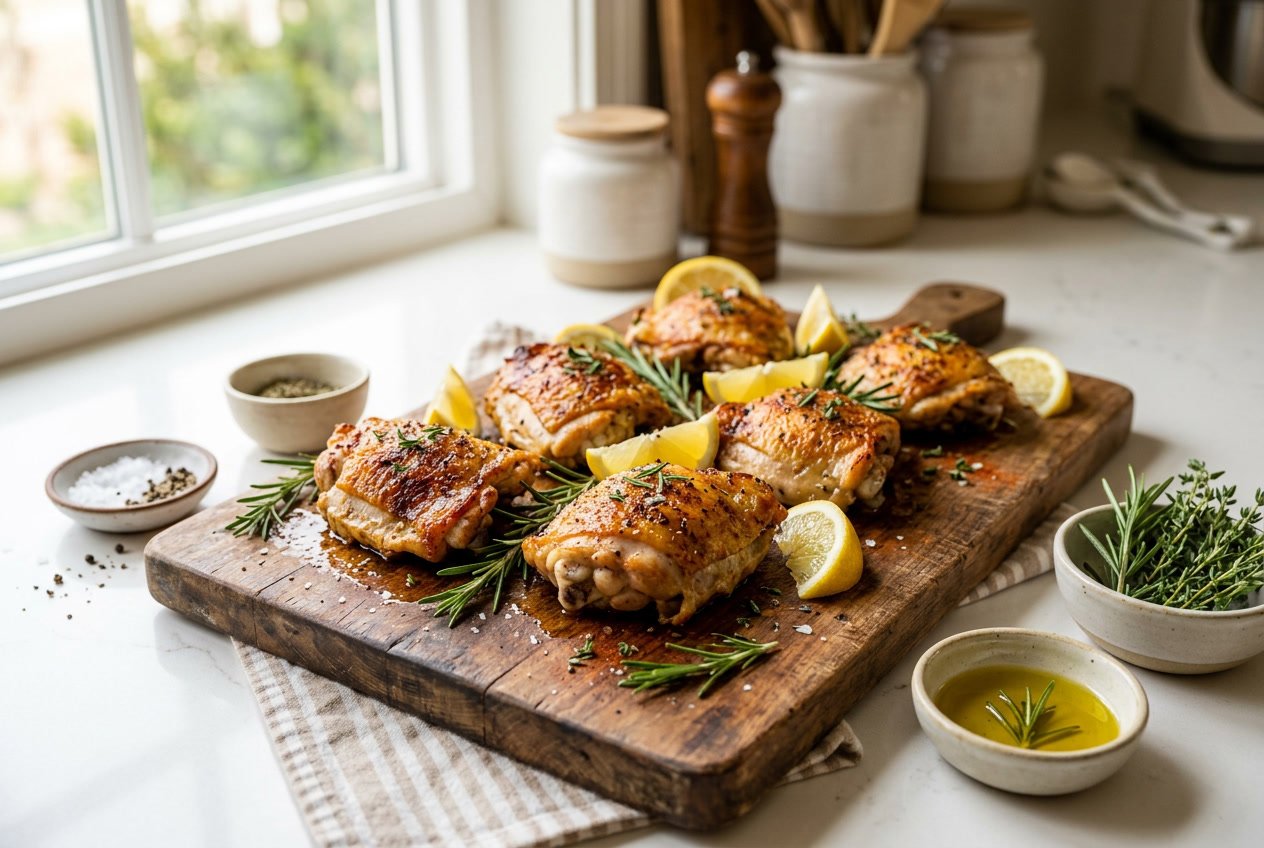
This guide explains which thighs to choose, how long and at what temperature to bake them, techniques for crisp skin without drying the meat, flavor ideas, and quick alternatives like the air fryer. Use these practical tips to get delicious results tonight.
Can You Bake Chicken Thighs
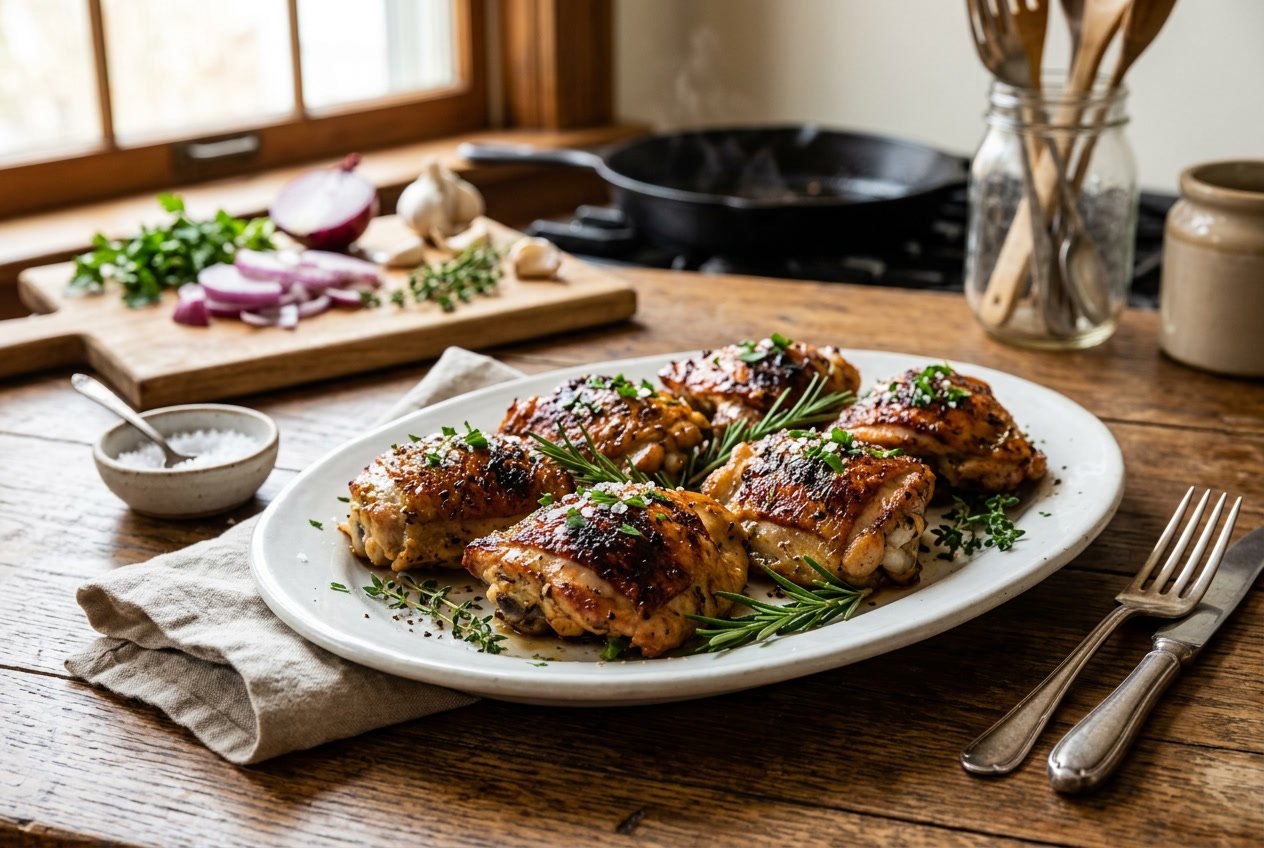
Baking chicken thighs gives you a reliable way to get tender meat and crisp skin using only your oven. You can control temperature, timing, and seasoning to suit family dinners, meal prep, or a single recipe.
Benefits of Baking Chicken Thighs
Baking chicken thighs delivers consistent results with minimal hands-on time. Bone-in, skin-on thighs stay moist because the bone and fat slow heat transfer, so you can bake at higher temperatures (375–425°F) to develop a browned surface without drying the interior.
Boneless, skinless thighs cook faster and work well in casseroles, grain bowls, or quick weeknight recipes where you’ll slice or shred the meat after baking.
Oven-baked chicken thighs scale easily for batch cooking. Use a rimmed baking sheet or a shallow roasting pan, arrange thighs skin-side up for crisping, and roast until the internal temperature hits 165°F.
Rest briefly before serving to let juices redistribute. Adapt simple seasoning—olive oil, salt, pepper, garlic, and lemon—or try marinades, spice rubs, or glazes. Baking also works with vegetables on the same sheet for one-pan meals.
Why Choose Thighs Over Other Cuts
Choose thighs when you want forgiving meat that remains juicy even if cooking time varies slightly. Dark meat has higher fat content than breast, which gives richer flavor and better texture when baked.
Thighs work well bone-in, skin-on for crisp skin and roast-style dinners, or boneless, skinless for faster bake times and easy shredding for tacos or salads. They also handle bold seasonings and longer sauces better than breasts.
If you need to slice or shred the meat for sandwiches, rice bowls, or pasta, thighs hold up under heat and cutting. For meal prep, baked chicken thighs remain flavorful refrigerated for several days and reheat well without becoming stringy.
Common Myths About Baking Chicken
Some believe you must always cook chicken thighs at low temperature to keep them tender, but higher oven temps (375–425°F) can produce crisp skin and juicy meat if you monitor internal temperature to 165°F. Use an instant-read thermometer to avoid overcooking.
Another myth says bone-in thighs always take much longer than boneless, but proper rack placement and preheating a sheet pan at high heat can narrow the gap and improve browning.
Some think baked thighs can’t be crispy without frying, but broiling for the last 2–4 minutes or starting on a very hot baking sheet creates crisp skin. Season and pat skin dry before baking for best results.
Types of Chicken Thighs for Baking
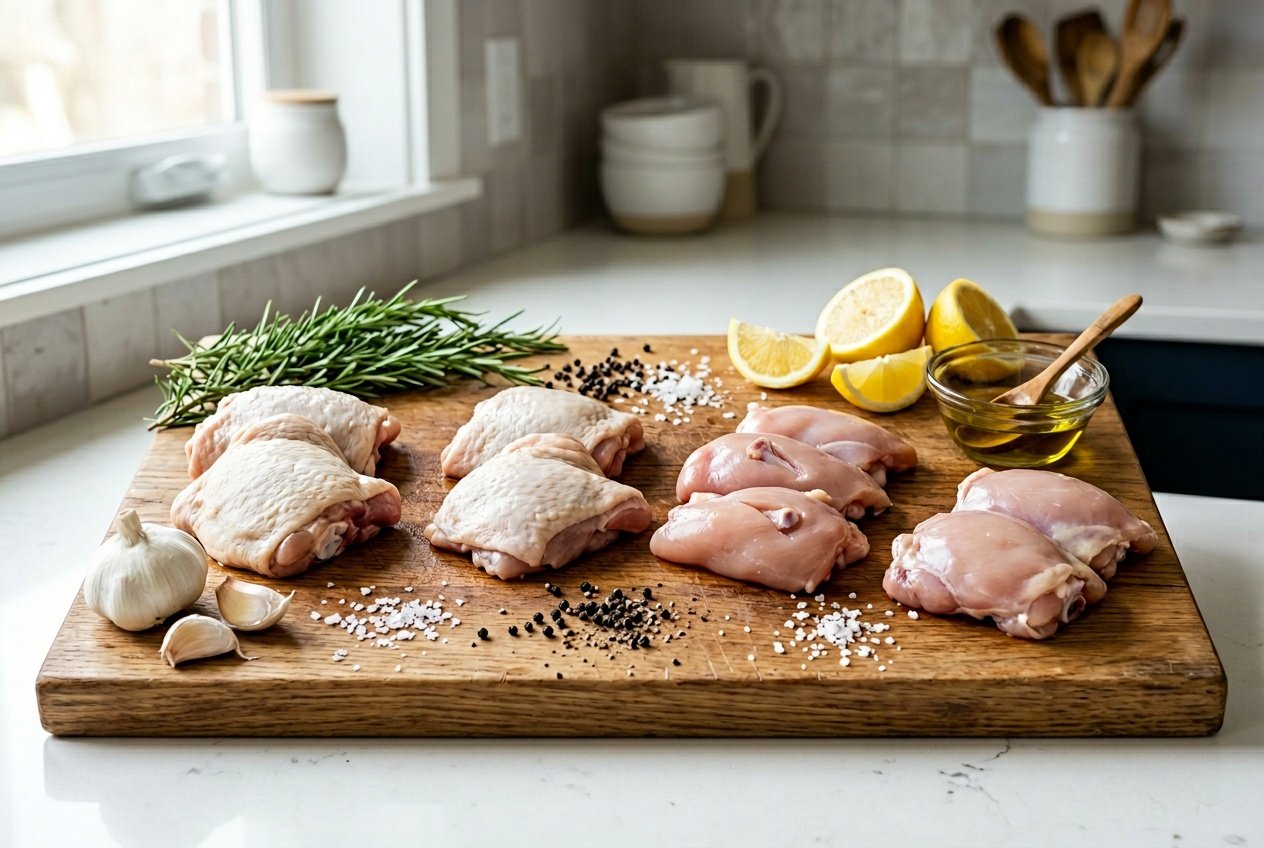
Choose the cut and skin option based on whether you want maximum flavor, crispy skin, or faster cooking. Bone-in, skin-on thighs give richer taste and protect moisture, while boneless or skinless options shorten cook time and simplify serving.
Bone-In vs Boneless Chicken Thighs
Bone-in chicken thighs hold more flavor because the bone conducts and redistributes heat, which helps keep the meat juicy during baking. Expect a slightly longer bake time—typically 25–40 minutes at higher oven temps—depending on size, and always verify doneness with a thermometer (165°F at the thickest point).
Boneless thighs cook faster and more evenly, often 20–30 minutes at 400–450°F. They brown well but won’t match the depth of flavor that bone-in provides. Choose boneless for ease and speed, or bone-in for juicy, meaty results.
Skin-On vs Skinless Chicken Thighs
Skin-on chicken thighs develop a crisp exterior. The skin renders fat during baking, which bastes the meat and enhances tenderness. You can crisp it further under the broiler for 1–3 minutes at the end.
For best results, pat the skin dry and use a light dusting of baking powder with seasonings to promote browning. Skinless thighs reduce fat and calories and shorten cook time, but they lose the protective fat layer that helps retain moisture.
Brine briefly or add a thin oil-and-seasoning coat before baking to keep skinless thighs tender. Use an oven rack to allow air circulation for better surface browning when you skip the skin.
Choosing the Best Option for Texture and Flavor
If you want juicy, tender chicken thighs with rich flavor, choose bone-in, skin-on thighs and bake at a higher temperature (425–450°F) for crispy skin while preserving moist meat. Rest the thighs 5–10 minutes after baking to let juices redistribute.
For quick, uniform pieces for meal prep, sandwiches, or salads, use boneless, skinless thighs and reduce bake time. Season under the skin for skin-on, and brine or marinate skinless pieces to prevent dryness. Use a meat thermometer to ensure safety without overcooking, aiming for 165°F internal temperature at the thickest point.
How to Bake Chicken Thighs in the Oven
Baking chicken thighs gives juicy meat and crisp skin when you control temperature, seasoning, and resting time. Focus on bone-in, skin-on thighs, a simple spice mix, and an instant-read meat thermometer for reliable results.
Essential Ingredients and Equipment
Buy bone-in, skin-on chicken thighs (about 6–8 for a 9×13 pan). Use kosher salt, black pepper, garlic powder, onion powder, and smoked or sweet paprika. Add dried thyme or oregano if you like.
Keep 1–2 tablespoons olive oil or melted butter to help spices adhere and brown the skin. Use a rimmed baking sheet or shallow roasting pan and optionally a wire rack to lift thighs off the pan for even air circulation.
Have paper towels for drying, kitchen shears or a sharp knife for trimming, and an instant-read meat thermometer to check doneness. A small bowl and spoon make mixing the rub easier.
Preparation and Seasoning Techniques
Pat thighs very dry with paper towels. Trim excess fat and loose skin so seasoning contacts the meat and skin lays flat while baking.
Coat thighs with oil, then sprinkle the spice mix evenly on both sides and under the skin where possible. For deeper flavor, rub the seasoning into the meat and refrigerate uncovered for 1–4 hours or overnight. Bring to room temperature for 20–30 minutes before baking.
If you use a marinade, include acidic components like lemon or yogurt, but dry the skin thoroughly before roasting to preserve crispiness.
Step-by-Step Oven Baking Instructions
Preheat the oven to 400–425°F (200–220°C). Position a rack in the center so heat circulates evenly.
Arrange thighs skin-side up on the wire rack set over the baking sheet, spacing them at least 1 inch apart. Bake uncovered for 35–45 minutes depending on thigh size.
Check the thickest part with an instant-read meat thermometer; the safe minimum is 165°F (75°C), though many prefer 175–185°F for more tender, falling-off-the-bone texture. If you want extra-crispy skin, broil for 1–3 minutes at the end and watch closely.
Let the thighs rest 5–10 minutes before serving so juices redistribute and slicing stays clean.
Achieving Crispy and Juicy Baked Chicken Thighs
Pat the skin dry, give each thigh space on the pan, and use a hot oven to render fat and brown skin without drying the meat. A short finish under the broiler can add the final crisp while internal temperature control preserves juiciness.
How to Get Crispy Oven Baked Chicken Thighs
Start by patting each thigh completely dry with paper towels. Moisture on the skin steams in the oven and prevents browning.
Season the skin lightly with salt and your preferred spices; salt draws moisture from the surface and improves crisping. Brush or spray a thin coat of oil—just enough to help seasonings stick and promote even browning.
Place thighs skin-side up on a rimmed baking sheet or in a shallow ovenproof pan. Give each piece at least 1 inch of space to allow hot air to circulate and prevent steaming.
Use bone-in, skin-on thighs for the best balance of crispy skin and juicy meat. If you prefer, set thighs on a wire rack over the baking sheet so fat drips away and air reaches the skin evenly.
Temperature and Baking Time Guidelines
Preheat the oven to 400–425°F (204–218°C). That range renders fat and browns skin without overcooking the dark meat.
For medium-size bone-in thighs plan for 30–45 minutes depending on thickness. Check doneness with an instant-read thermometer inserted into the thickest part without touching bone.
Remove thighs at 165°F (74°C) for safety. For extra rendered fat and crisp skin, you can cook to 175–185°F (79–85°C) while watching texture.
Avoid overcrowding the pan; tightly packed pieces take longer and steam, which produces rubbery skin. Let the thighs rest 5 minutes after baking so juices redistribute and the meat stays juicy when you cut into it.
Using Broiler for Extra Crispiness
If skin isn’t as crisp as you want, switch to the broiler for 1–3 minutes. Move the rack so skin is 4–6 inches from the broiler element and watch constantly to prevent burning.
Before broiling, tilt the pan or blot excess surface fat with a paper towel to reduce flare-ups. Broil only skin-side up and remove as soon as you see deep golden-brown color and bubbling fat.
After broiling, let the thighs rest briefly. The skin will stay crisp and the interior will remain juicy if you avoid overcooking during the finishing step.
Flavor Variations and Seasoning Ideas
Use salt early for better seasoning penetration and choose skin-on thighs when you want crisp skin. Match your seasoning to cooking method: high heat for quick crisping, low-and-slow for braise-like tenderness.
Classic Seasoning Blends
Stick to simple, reliable combos for weeknight chicken thighs. A basic mix of kosher salt, freshly ground black pepper, garlic powder, and smoked paprika yields balanced savory, sweet, and smoky notes.
Rub the thighs evenly and let them sit 15–30 minutes to improve flavor absorption. For a herby profile, combine dried thyme, rosemary, onion powder, and a touch of lemon zest.
That blend works for bone-in or boneless thighs and pairs well with roasted vegetables. Use 1–2 teaspoons total seasoning per pound of chicken as a starting point and adjust to taste.
If you want an “everything” crust, sprinkle sesame seeds, poppy seeds, dried minced garlic, and coarse salt over oil-brushed skin before baking. Broil 1–2 minutes at the end to toast the seeds and deepen flavor.
Bold and Global Flavors
Take inspiration from world cuisines for more assertive chicken thighs. For Mediterranean style, use oregano, cumin, smoked paprika, lemon zest, and a drizzle of olive oil. Serve with roasted potatoes and tzatziki.
For Cajun heat, mix paprika, cayenne, garlic powder, onion powder, thyme, and oregano. Pat the rub on generously and bake at 400–425°F to get a crisp exterior while keeping the meat juicy.
Adjust cayenne to control spiciness. For Asian-inspired notes, use five-spice powder, ground ginger, garlic, and a touch of brown sugar. Bake or broil until caramelized, then finish with a splash of soy sauce or hoisin for an umami boost.
These blends let you vary sweetness, acidity, and heat to match your sides.
Marinades and Sauces
Marinades add depth and help tenderize, especially for boneless thighs. Mix an acid like lemon juice, vinegar, or yogurt with oil, aromatics, and salt.
For example, combine 2 tablespoons lemon, 3 tablespoons olive oil, 2 cloves minced garlic, and 1 teaspoon salt for 1–1.5 pounds of chicken. Marinate for 30 minutes to overnight.
Use yogurt or buttermilk for a tangy tenderizer when baking at low temperatures. Acid breaks down proteins, so avoid marinating for more than 8 hours to keep the texture firm.
Brush on finish-baking sauces such as honey mustard, teriyaki, or BBQ during the last 10–15 minutes so sugars caramelize without burning. For sticky, glossy skin, baste twice: once midway and again during the last 5 minutes.
Alternative Methods
Air frying gives you fast, crispy skin with minimal oil. Other countertop appliances and techniques can deliver similar results or solve specific needs like faster cooking, less mess, or handling frozen thighs.
How to Make Air Fryer Chicken Thighs
Preheat the air fryer to 380–400°F (193–205°C) for 3–5 minutes to promote immediate crisping. Pat skin-on thighs dry and season with salt, pepper, and a spice blend such as paprika, garlic powder, and a touch of baking powder for crispier skin.
Lightly brush or spray oil over the skin if desired. Arrange thighs in a single layer with space between pieces to avoid overcrowding.
Cook for 18–25 minutes, flipping once halfway through, until the internal temperature reaches 165°F (74°C). For extra-crispy skin, raise the temperature to 400°F for the last 3–5 minutes.
Use a meat thermometer for accuracy. If cooking from frozen, add 8–12 minutes and check frequently.
Reheat leftovers in the air fryer at 350°F for 5–8 minutes to restore crispness.
Baking vs Air Frying
Baking in the oven gives you even, low-effort results and works well for larger batches. Set your oven to 400°F (204°C), roast skin-on bone-in thighs on a rack for 35–45 minutes, and check for a 165°F internal temperature.
Baking handles multiple trays and sides at once. Air frying shortens cook time by 20–40% and produces crisper skin because of concentrated hot-air circulation.
It uses less oil and requires smaller batches, so you may need multiple cycles for many thighs.
Choose baking for larger groups or when roasting vegetables at the same time. Use the air fryer for faster cooking, a crispier finish, or to re-crisp leftovers.
Serving Suggestions and Leftover Ideas
Baked chicken thighs pair well with roasted vegetables, starches that soak up pan juices, and bright, acidic elements to cut the richness. You can turn juicy chicken thighs into new meals in just a few minutes.
Perfect Sides for Baked Chicken Thighs
Choose sides that balance the richness of the chicken and highlight the crispy skin and juicy meat. Roast a tray of Brussels sprouts and carrots tossed with olive oil, salt, and pepper at 425°F for 20–25 minutes so they caramelize while the thighs finish.
Serve a simple pan sauce by deglazing the baking sheet with 1/2 cup chicken broth and a splash of lemon juice. Spoon it over the thighs and a bed of mashed potatoes or buttered rice.
For lighter meals, toss a salad of arugula, sliced radish, and lemon vinaigrette to cut the fattiness. If you want a grain side, cook quinoa or farro in chicken broth and mix with herbs for added texture.
Using Leftover Chicken Thighs in Recipes
Use leftover baked chicken thighs within 3–4 days when refrigerated. Shred or slice the meat for salads, sandwiches, or tacos.
Mix shredded chicken with mayo, chopped celery, and mustard for a chicken salad sandwich. Season with taco spices and top corn tortillas with pickled onions.
Add chopped thighs to soups and stews by dropping pieces into chicken noodle, tortilla, or creamy mushroom soup in the last 5–10 minutes to warm through. Stir leftover chicken into fried rice or pasta bakes to keep dishes moist.
For a quick dinner, toss sliced thighs with sautéed peppers and onions, add your favorite sauce, and serve over rice or in a pita.
Storage and Reheating Tips
Store baked chicken thighs promptly and reheat them to 165°F (75°C) for safety. Cool quickly, use airtight containers, and choose reheating methods that restore warmth without losing moisture or crispness.
How to Store Baked Chicken Thighs
Cool leftovers within two hours by spreading pieces on a rimmed sheet pan. Transfer cooled thighs to airtight containers or resealable bags and remove excess air to limit oxidation and freezer burn.
Label containers with the date and refrigerate for up to 3–4 days. For longer storage, freeze for 2–6 months by wrapping each thigh in plastic wrap and placing them in a freezer bag for best texture.
For crispy chicken, separate skin-on pieces from moist sides so the skin does not steam and soften in storage. Store sauces separately to prevent sogginess.
Best Methods to Reheat Without Drying Out
Use an oven or air fryer to preserve texture.
For the oven, preheat to 350°F (175°C). Place thighs in a single layer on a baking sheet with a splash (1–2 tbsp) of chicken broth or water.
Cover loosely with foil and heat for 12–18 minutes until the chicken reaches 165°F (75°C). Remove the foil for the last 3–5 minutes to re-crisp the skin.
For the air fryer, preheat to 350–375°F (180–190°C). Lightly brush thighs with oil if they seem dry.
Arrange the thighs in one layer and reheat for 5–8 minutes, flipping once. Check the internal temperature before serving.
Use a skillet for boneless or sliced thighs. Add 1–2 tbsp broth to a covered skillet over medium heat and steam until the chicken reaches 165°F.
Avoid microwaving whole bone-in or breaded thighs. If you must use a microwave, cover the chicken, add moisture, and heat in short intervals to reduce rubberiness.


