
Can I Fry Chicken Thighs? The Ultimate Guide to Juicy, Crispy Results
Yes, you can fry chicken thighs. They often make a better choice than breasts when you want juicy meat and crisp skin.
Bone-in, skin-on thighs stay moist and develop a rich, crunchy exterior whether you pan-fry or deep-fry them. Control oil temperature and cook to 165°F internal temperature for best results.
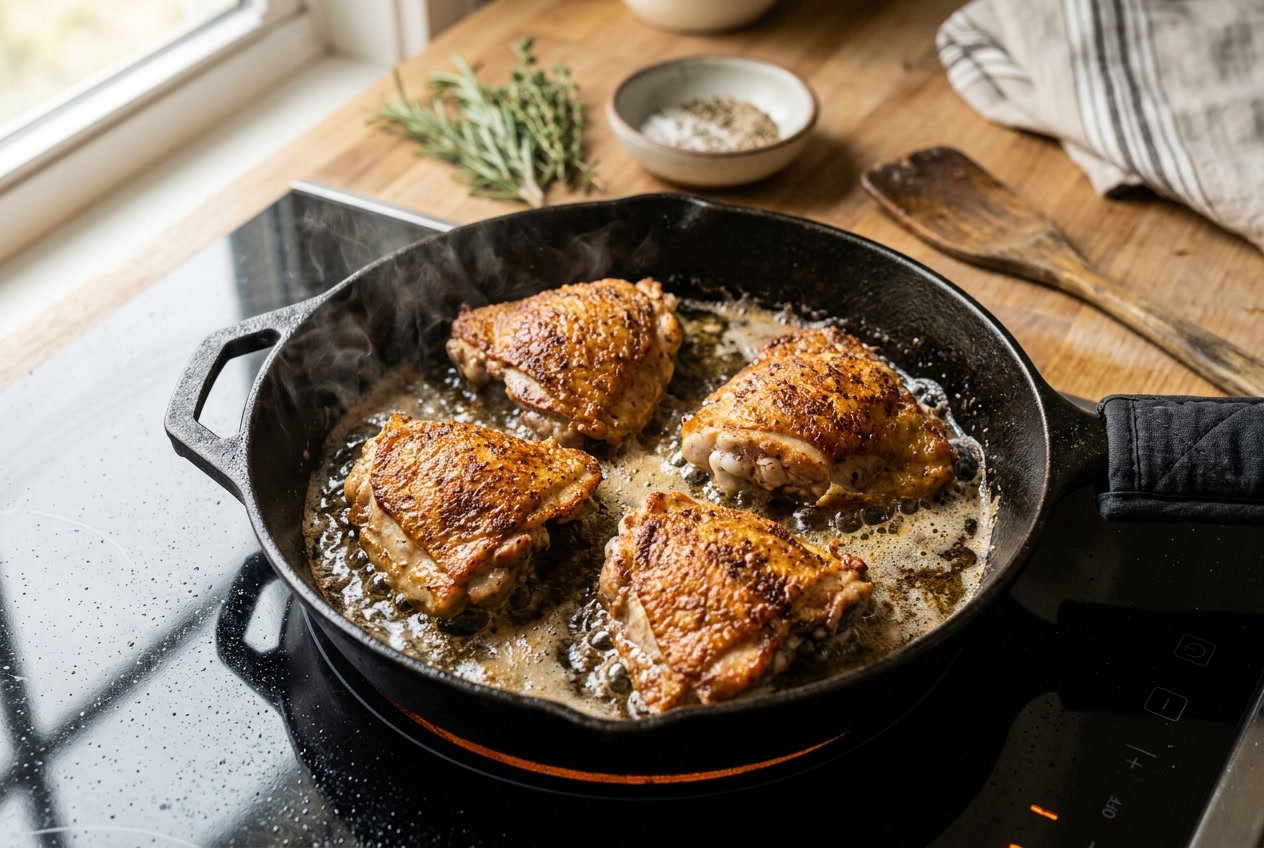
Choose the right thighs, prep and season for flavor, and use the right equipment and oils for frying. Follow timing, temperature, and storage guidance for reliably crispy, tender results.
Why Fry Chicken Thighs?
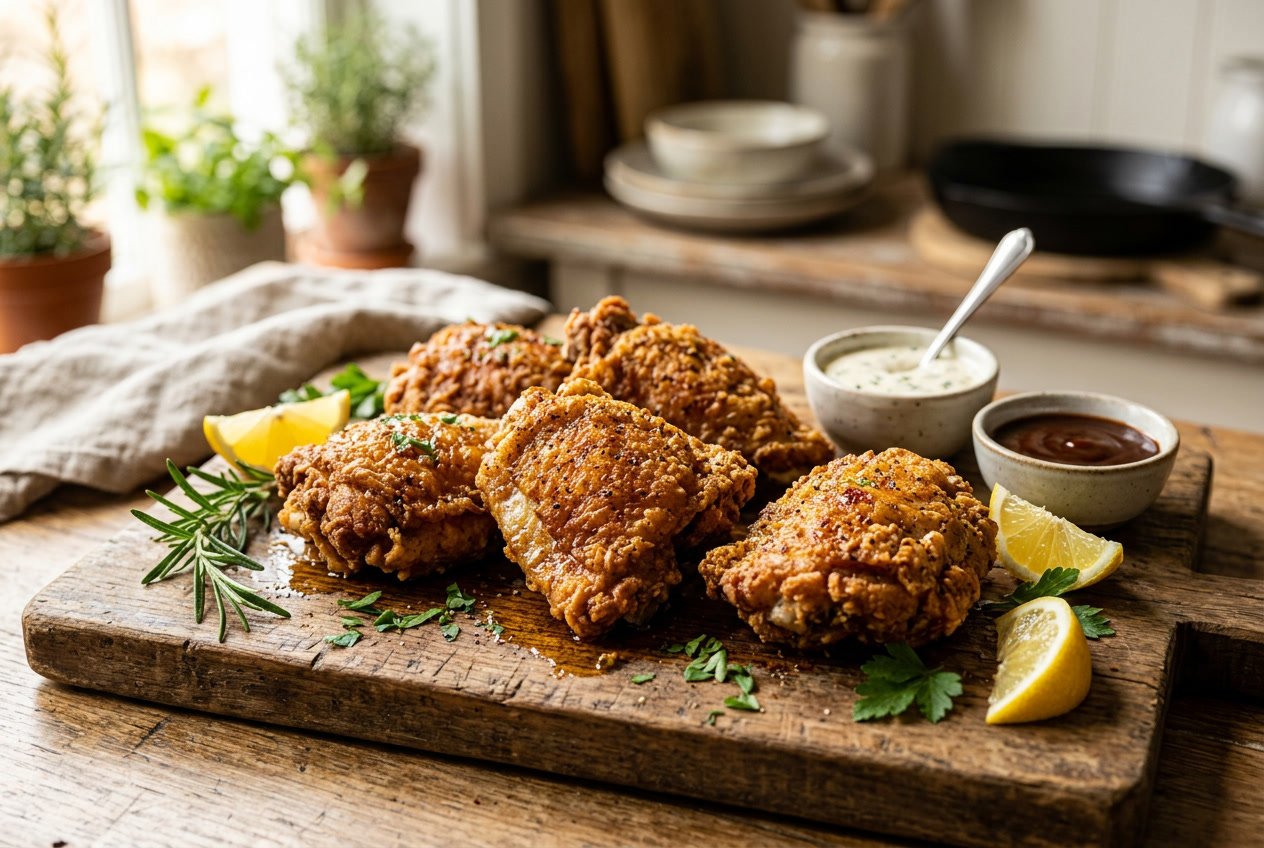
Frying chicken thighs gives you crisp skin, moist meat, and pronounced flavor. Thighs tolerate high heat and timing variance, producing consistently satisfying results.
Benefits Over Other Cuts
Chicken thighs contain more fat and connective tissue than breasts, which keeps the meat moist during frying. That extra fat renders as the skin crisps, resulting in juicy chicken thighs.
Thighs tolerate higher and longer cooking temperatures. If you slightly overshoot the pan time, thighs remain tender where breast meat can dry out quickly.
Bone-in, skin-on thighs give you flavor concentration and structure for even cooking. You can also use boneless thighs for quicker pan-fried versions, but expect less pronounced crispiness.
Flavor and Texture Advantages
Fried chicken thighs develop a richer taste thanks to intramuscular fat and collagen. As you fry, the skin browns and Maillard reactions create deep savory notes.
Crispy chicken thighs provide a crunchy exterior that contrasts with the succulent interior. That contrast enhances juiciness, especially when you rest the pieces briefly on a wire rack.
You can amplify flavor and texture by marinating in buttermilk, adding a seasoned flour dredge, or finishing thicker pieces in a 380°F (193°C) oven.
Popular Uses for Fried Chicken Thighs
Fried chicken thighs work in casual and composed dishes. Use them whole for sandwiches and sliders.
Tuck shredded fried thigh meat into tacos, salads, or pasta for concentrated flavor. Bone-in thighs make great family-style mains served with sides like coleslaw or mashed potatoes.
You can also vary presentation: classic Southern-style breading, spicy cayenne-seasoned crust, or simple pan-seared thighs with a pan sauce.
Chicken Thighs: Choosing the Right Type
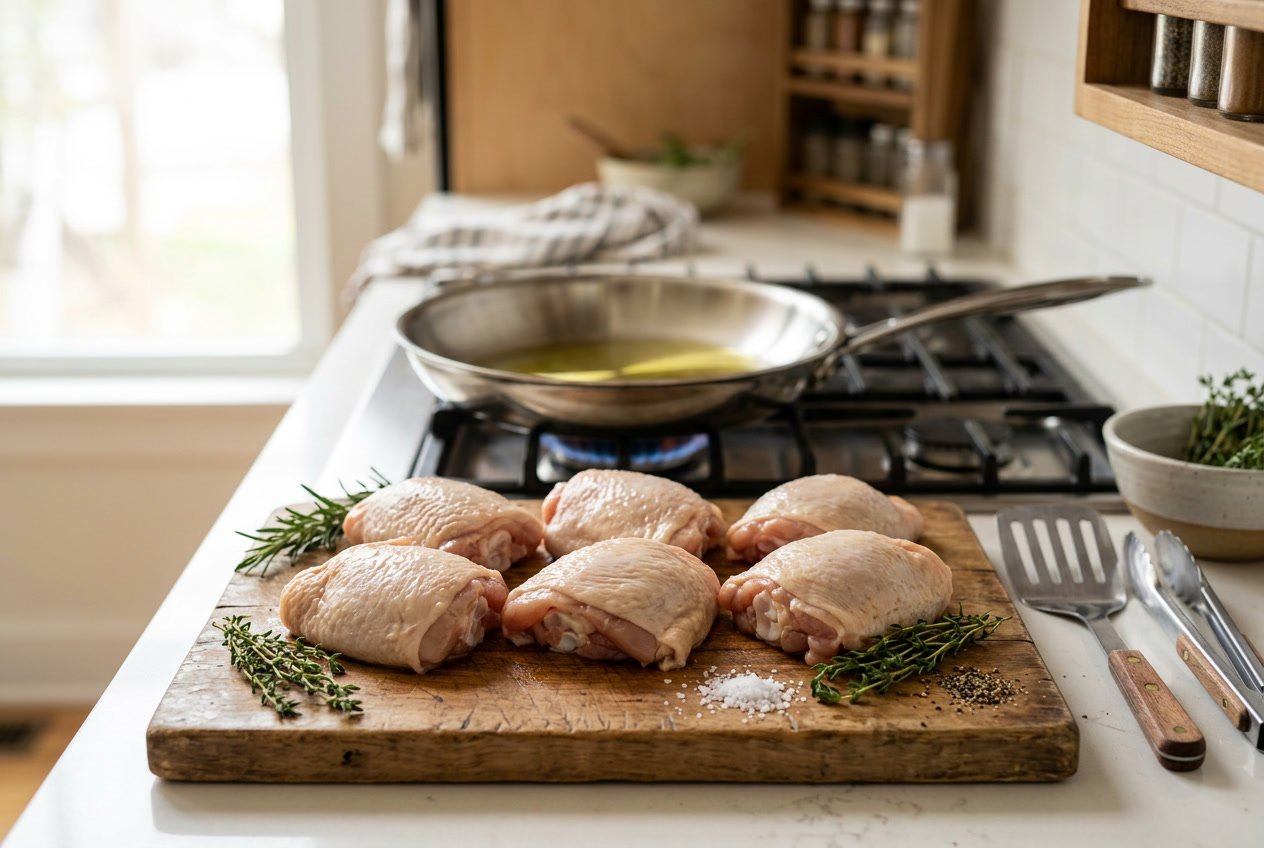
Pick thighs based on cooking time, texture, and how much hands-on trimming you want. Your choice affects crispiness, juiciness, and whether you need to finish pieces in the oven.
Bone-In vs. Boneless
Bone-in thighs keep more moisture and flavor during frying because the bone slows heat transfer and protects the meat. Cook bone-in thighs for 20–30 minutes at medium heat and check for 165°F (74°C) near the bone.
Boneless thighs cook faster, often 8–12 minutes per side depending on thickness. They allow more even breading contact and easier slicing for sandwiches.
If you choose boneless, press or pound thicker pieces to uniform thickness for even doneness. Bone-in gives a rustic look and richer mouthfeel, while boneless is easier to eat and faster to serve.
Skin-On vs. Skinless
Skin-on thighs produce the crispiest exterior when fried. Pat skin dry and salt it just before frying to maximize crispness and reduce splatter.
Skinless thighs cook more quickly and yield less exterior crunch. They absorb marinades and breading more directly.
If you want both speed and some crisp, remove skin but add a thin oil coating and a high-heat sear to mimic a crust.
How to Trim and Prep Thighs
Blot thighs dry with paper towels. For bone-in pieces, check for excess fat and small bone fragments; trim away large fat deposits and remove loose skin flaps.
For boneless thighs, inspect for cartilage or tendons left from deboning and trim them out. Pound uneven pieces to about 3/4 inch for consistent frying.
Season or marinate after trimming. For buttermilk marinades, soak 30 minutes to 4 hours to tenderize. For quick cooking, salt and spice the surface 15–30 minutes before frying.
Essential Ingredients and Equipment
Use targeted seasonings, a high-smoke-point oil, and a few reliable tools for crisp skin and juicy meat. Focus on ingredients that build a clear flavor profile and tools that control temperature.
Seasoning and Spice Choices
Season generously with kosher salt and freshly ground black pepper. Add garlic powder and paprika for savory depth and color.
Use cayenne pepper sparingly for heat—start with 1/4 teaspoon per pound and adjust to taste. If you bread the thighs, mix flour with the same spices plus a touch of baking powder for extra crunch.
For wet marinades, buttermilk tenderizes and carries spices into the meat. Pat the thighs dry before frying to help the coating adhere and the skin crisp evenly.
Aim for balance: salty, umami, a mild sweet-smokiness from paprika, and optional heat.
Best Oils for Frying
Choose oils with high smoke points to avoid off-flavors and burnt crumbs. Good options include vegetable oil, canola oil, and peanut oil.
Peanut oil gives a slightly richer aroma and handles repeated heats well. Canola and vegetable oil are economical and broadly available.
Use enough oil to come about 1/4 to 1/2 inch up the sides of a skillet for pan-frying, or deep enough to submerge thighs for deep-frying. Monitor temperature with a deep-fry thermometer to keep oil steady around 350°F (175°C).
After frying, drain on a wire rack set over a sheet pan to prevent soggy bottoms.
Must-Have Tools for Frying Chicken Thighs
A heavy-bottomed skillet or cast-iron pan provides even heat and helps form a uniform crust. For deep frying, use a Dutch oven with tall sides to reduce splatter.
Keep a deep-fry thermometer clipped to the pot to track oil temperature. Use tongs to place and turn thighs without tearing the coating.
A splatter screen reduces mess and keeps oil under control. Have a wire rack over a baking sheet ready for draining.
Other helpful items: a shallow dish for seasoned flour or breading, a meat thermometer to confirm 165°F internal temperature, and paper towels for patting dry before cooking.
Preparation Techniques for Maximum Flavor
Control moisture, build layers of seasoning, and set up a coating that crisps reliably at frying temperature. Small prep steps like brining or marinating and a proper flour dredge make a big difference.
Brining and Marinating
Brining adds salt deep into the meat so the thighs stay juicy. Use a wet brine of 4 cups water to 2 tablespoons kosher salt, plus 2 tablespoons sugar, chilled.
Submerge bone-in, skin-on thighs for 30 minutes to 4 hours. For boneless pieces, shorter times work. Rinse lightly and pat dry before seasoning.
For flavor, use a buttermilk or yogurt marinade. Mix 1 cup buttermilk with 1–2 teaspoons salt and your seasoning blend.
Acid and enzymes in dairy tenderize and help the coating adhere. Marinate 30 minutes to overnight.
How to Dredge Chicken Thighs
Start with a seasoned flour dredge: 2 cups all-purpose flour, 1 tablespoon cornstarch, 1 tablespoon salt, and 1–2 teaspoons of your seasoning blend. Cornstarch lightens the crust and increases crispness.
Use a three-step method for extra-crispy crust: pat thighs dry, dip in beaten egg or buttermilk, then press into the flour dredge. Shake off excess flour.
Arrange coated thighs on a tray with space between pieces so the crust sets rather than slumps.
Resting Before Frying
After dredging, let the coated thighs rest 20–30 minutes at room temperature on a wire rack. This lets the flour hydrate and the coating bond to the skin.
If you must hold longer, refrigerate uncovered for up to 2 hours. Return to room temperature 15 minutes before frying.
Pan Frying Chicken Thighs
Pan frying chicken thighs gives you a crisp skin and moist meat when you control heat, use enough oil, and avoid crowding the pan.
Step-by-Step Pan Frying Method
Pat each thigh very dry with paper towels. Season both sides with salt and pepper, plus any spices you like.
Warm a heavy skillet over medium heat, then add 1–2 tablespoons of oil and heat until it shimmers. Place thighs skin-side down in a single layer.
Cook undisturbed until the skin releases and is deep golden, typically 12–20 minutes for bone-in, less for boneless. Flip and lower the heat to finish cooking.
Check for 165°F (74°C) internal temperature. Rest thighs 5 minutes before serving.
Oil Temperature and Heat Control
Start with medium heat so the oil reaches about 325–375°F (163–190°C) at the pan surface. If the oil smokes, reduce heat.
Watch the sizzle: a steady, moderate sizzling noise indicates correct temperature. Adjust heat to maintain that sizzle as you add chicken.
For thicker bone-in thighs, finish in a 375°F (190°C) oven after browning to ensure even internal cooking.
Use a splatter screen or long-handled tongs to protect yourself from hot oil. Let the oil return to temperature between batches for consistent results.
Tips for a Crispy Exterior and Juicy Interior
Dry the skin thoroughly and season just before cooking. Use skin-on, bone-in thighs for the best balance of crispy exterior and juicy interior.
Avoid overcrowding; leave space around each thigh so hot oil contacts skin. Fry in batches if necessary.
Resist flipping or moving the thighs while skin-side down. This allows a stable crust to form.
Finish thicker pieces at lower heat or in the oven to cook evenly without burning the skin. Rest the chicken on a rack so steam doesn’t soggy the crust.
Check doneness with a thermometer rather than time alone for reliably juicy fried chicken.
Variations: Pan-Fried vs. Oven-Fried
Pan-fried chicken thighs give you immediate, localized browning from direct contact with hot oil. This produces a crisper skin and richer pan drippings for sauce.
You’ll achieve better surface caramelization and a faster cook time per piece. Monitor oil temperature and avoid overcrowding for best results.
Oven-fried thighs cook more evenly inside and let you crisp a larger batch at once. Start in the pan to brown skin, then finish in a 375–400°F oven.
Choose pan frying for intense crispness and a quick stovetop finish. Use oven or pan-to-oven methods for even doneness or when cooking many thighs.
Deep Frying Chicken Thighs
Control oil temperature, use a proper coating, and fry in small batches to get juicy meat and a golden-brown crust. Focus on bone-in, skin-on thighs for flavor and follow timing and safety steps to avoid greasy or underdone results.
Traditional Deep Frying Method
Pat thighs dry and season or brine them for at least 30 minutes. Brining (1/4 cup salt per quart) improves moisture retention.
Use bone-in, skin-on thighs for flavor and even cook times. Boneless thighs cook faster and need slightly less time.
Choose a neutral, high-smoke-point oil such as peanut or canola. Heat oil to 325–350°F (163–177°C) and check with a thermometer.
Fry for about 12–15 minutes per thigh until the exterior turns deep golden and the internal temperature reaches 165°F (74°C). Turn pieces occasionally for even browning.
Drain on a wire rack over a sheet pan to keep the crust crisp. Rest the thighs 5 minutes before serving so juices redistribute.
For coating, use seasoned flour or a flour–cornstarch mix for a crispier texture.
Double Frying for Extra Crunch
Double frying creates an extra-crisp crust without overcooking the interior. Fry first at 300–320°F (149–160°C) for 8–10 minutes to cook the meat gently and form an initial crust.
Remove and rest the pieces while the oil returns to temperature. Increase heat to 350–375°F (177–190°C) for the second fry.
Fry the thighs 2–4 minutes until the crust turns deeply golden-brown and crackly. This second blast of heat dehydrates the coating and creates a crunchy texture.
Use a seasoned flour with a bit of cornstarch or a double-dredge (flour, wet dip, flour) for a stable coating. Keep pieces spaced so hot oil circulates and the crust forms evenly.
Safety and Batch Frying Tips
Do not overcrowd the pot; each added thigh drops oil temperature and causes soggy results. Fry in small batches to keep oil within the target temperature range.
Maintain at least 3–4 inches of oil depth. Use tongs or a spider skimmer to lower and lift pieces.
Keep a lid and a metal baking sheet nearby in case of flare-ups. Strain oil after it cools and store it in a sealed container if you plan to reuse it.
Check doneness with an instant-read thermometer at the thickest part of the thigh. Let fried thighs rest on a wire rack; paper towels trap steam and soften the crust.
Time and Temperature
Maintain the right oil temperature and check internal heat to get a crispy exterior and juicy interior. Frying time depends on whether the thighs are bone-in or boneless and on your method.
How to Use a Thermometer
Use an instant-read meat thermometer for final checks and a deep-fry thermometer to monitor oil. Insert the instant-read into the thickest part of the thigh without touching bone; the safe internal temperature is 165°F (74°C).
Clip a deep-fry thermometer to the pot and keep oil between 325–350°F (163–177°C) for even cooking. Oil that’s too cool causes the coating to soak up oil, while oil that’s too hot burns the exterior.
Check the thermometer a couple minutes before the expected finish time to avoid overcooking. Rest thighs 5 minutes after frying so residual heat evens out and juices redistribute.
Expected Cooking Times for Different Methods
Times vary by cut, thickness, and oil temperature. Use these as starting points and adjust based on your thermometer readings and thigh size.
- Pan-frying (skin-on, bone-in): 20–25 minutes total over medium heat, flip once.
- Deep-frying (boneless): 6–10 minutes at 350°F; check at 6 minutes and cook longer if pieces are thicker.
- Deep-frying (bone-in): 10–15 minutes at 325–350°F; larger bone-in pieces may need up to 15 minutes.
If you double-fry, fry once to near-done (shorter time), rest 5–8 minutes, then fry 2–3 minutes at higher temp for extra crispness.
Signs of Proper Doneness
Use the thermometer first—reach 165°F in the thickest meat for safety. Visual and tactile cues help confirm doneness.
Cut near the bone; juices should run clear, not pink. The meat should feel firm but still give slightly when pressed.
A golden-brown, evenly crisp skin shows proper oil temperature and timing. Pale, greasy crust means oil was too cool or thighs overcrowded; charred crust with underdone center means oil was too hot.
Serving Suggestions and Sides
Pair fried chicken thighs with sides that balance richness, add texture, and keep the meal satisfying. Choose creamy and starchy for comfort, crisp and acidic for contrast, and a bold sauce for finishing.
Classic Side Dishes
Mashed potatoes pair naturally with fried chicken thighs. Use Yukon Golds or Russets, mash with butter and a little warm milk or cream, and finish with salt and black pepper.
Coleslaw adds a bright, crunchy counterpoint. Shred cabbage and carrots, dress with a tangy vinaigrette or a light mayo dressing, and chill for at least 30 minutes.
Buttery biscuits, cornbread, or crispy smashed potatoes bring texture variety. Choose one starch per plate to avoid heaviness.
For a restaurant-quality feel, serve the chicken on a bed of warm mashed potatoes with a spoonful of gravy and a small side of chilled coleslaw.
Garnishes and Sauces for Fried Chicken Thighs
Garnishes add color and flavor. Sprinkle chopped parsley or chives for a mild herbal note.
Add lemon wedges for a zesty squeeze that brightens the coating. Offer gravy made from pan drippings, a honey-hot glaze (honey plus chili flakes or sriracha), or a creamy ranch or buttermilk dip.
If you prefer tang, make a simple vinegar-based sauce: apple cider vinegar, a touch of sugar, and red pepper flakes. Serve sauces on the side so each person controls intensity.
For a restaurant-quality presentation, plate the thigh atop mashed potatoes, drizzle a bit of gravy, and place coleslaw or a lemon wedge beside it.
Storing and Reheating Fried Chicken Thighs
Keep cooked thighs well chilled, wrapped to avoid moisture transfer, and reheat using dry heat to restore crispness. Proper storage slows bacterial growth; proper reheating restores texture without drying the meat.
How to Store Leftovers
Cool thighs to room temperature for no more than one hour after cooking. Pat excess oil from the skin with paper towels before storing to reduce sogginess.
Place pieces in a single layer in an airtight container or wrap individually in foil. Store in the refrigerator at 40°F (4°C) or below and use within 3–4 days.
If stacking is unavoidable, separate layers with parchment or paper towels to keep the coating from steaming. Label the container with the date to track freshness.
Never leave fried chicken out on the counter longer than two hours (one hour above 90°F/32°C).
Reheating for Crispy Results
Bring refrigerated chicken to room temperature for 20–30 minutes before reheating. Preheat your oven or air fryer so the skin crisps immediately on contact with hot air.
Air fryer: 375°F (190°C) for 5–8 minutes in a single layer.
Oven: place on a wire rack over a rimmed sheet pan at 400°F (200°C) for 10–15 minutes. Flip once if pieces are large.
Stovetop: shallow fry in 350°F (175°C) oil for 3–5 minutes to refresh crispness.
Avoid the microwave; it traps steam and softens the coating. Check internal temperature and aim for 165°F (74°C) when reheated.
Freezing Tips and Tricks
Cool thighs completely. Freeze them as soon as possible for best quality.
For short-term freezing (up to 1 month), wrap each piece tightly in plastic wrap. Place them in a freezer bag and remove as much air as possible.
For longer storage (2–3 months), double-wrap with plastic wrap and then heavy-duty foil or vacuum seal to prevent freezer burn. Label with the date.
Thaw overnight in the refrigerator before reheating. Reheat using the air fryer or oven.
If you need to reheat from fully frozen, set the oven to a lower temperature (325–350°F / 160–175°C). Extend the cook time and check that the internal temperature reaches 165°F (74°C) while making sure the crust does not burn.


