
Can Chicken Thighs Be Woody? Understanding Woody Texture in Poultry
You might assume woody texture only affects chicken breasts. Thighs can show similar toughness in rare cases.
Chicken thighs can develop a woody or tough texture, though it’s less common than in breasts and usually tied to specific muscle or rearing issues.
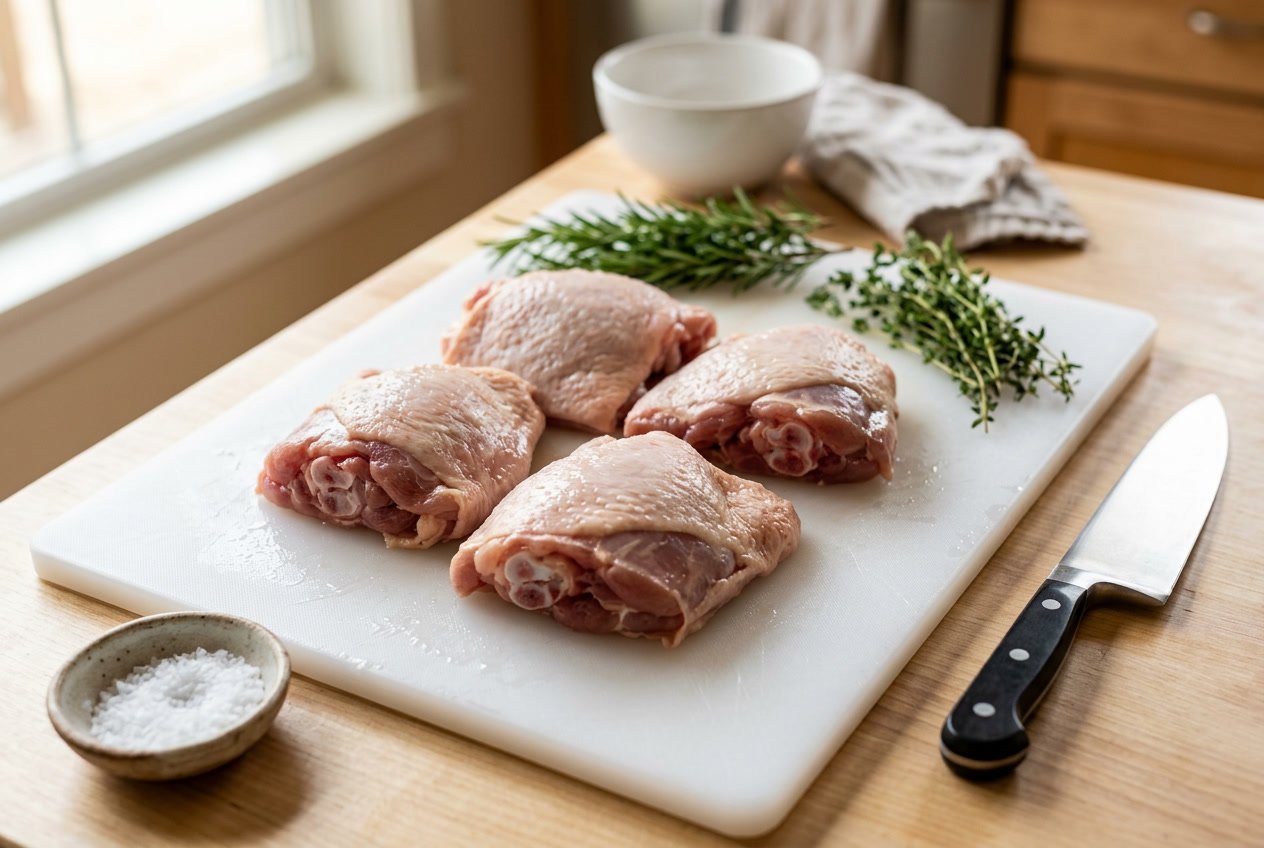
Woody texture means abnormal firmness and chewiness in poultry meat. It happens for a few reasons, and you can spot it with some simple checks.
You can follow buying tips and use the right cooking methods to keep your chicken thighs tender and satisfying.
What Is Woody Chicken?
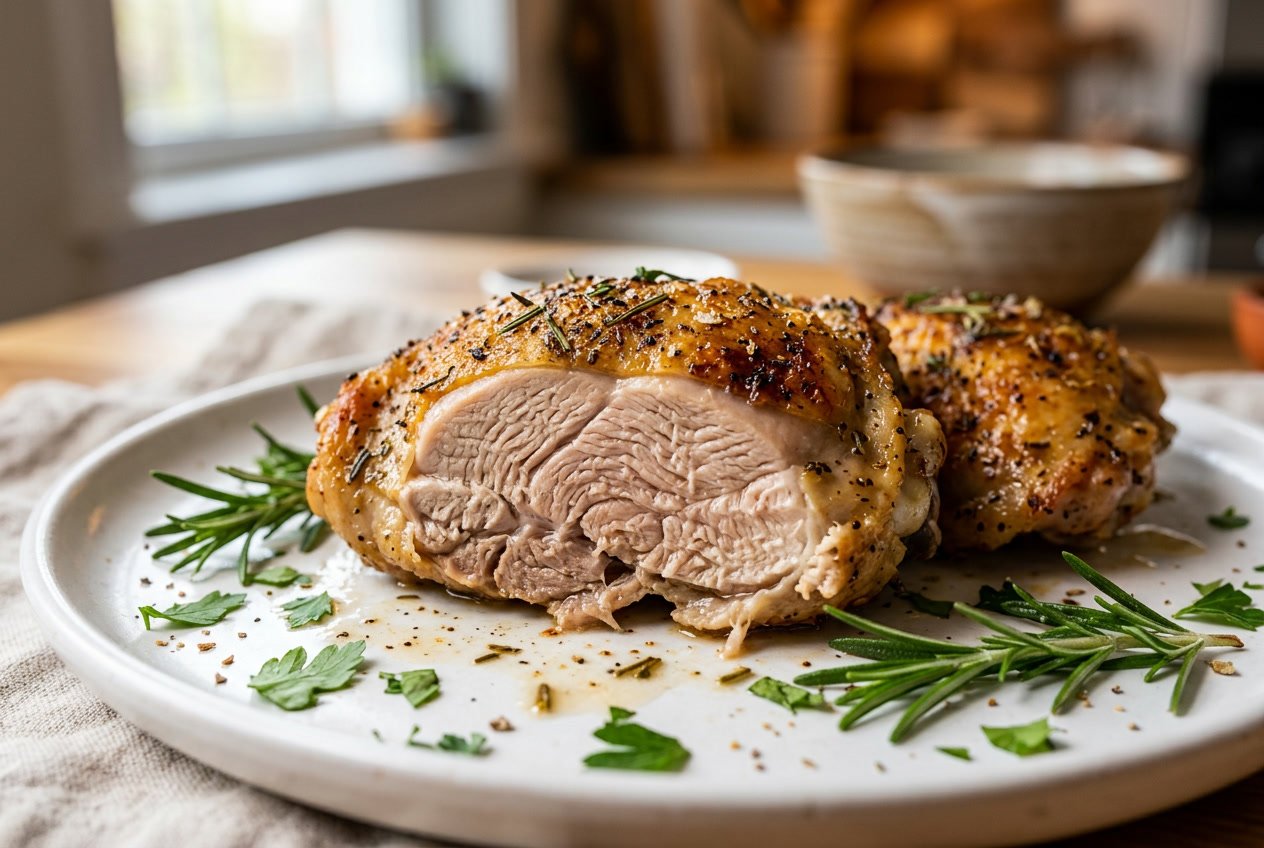
Woody chicken means the meat has stiff, dense muscle fibers. This texture most often appears in breast fillets.
You’ll notice a rubbery, stringy feel and reduced tenderness. The meat can look paler and more opaque than normal.
Woody Texture Characteristics
You’ll detect woodiness as firmness or hardness when you press the meat. Affected areas feel rubbery instead of supple.
Cooked pieces may still feel stringy, chewy, and resistant to bite, even when cooked to a safe temperature.
Woody chicken breast often looks whiter and less glossy because it holds less water. The muscle fibers may separate into coarse strands and create a gummy or pasty mouthfeel.
These changes concentrate in the breast, though other cuts rarely show the same severity.
Significance of Woody Chicken
Woody chicken is mainly a quality issue, not a food-safety hazard. The condition reduces tenderness, juiciness, and texture, so retail value and consumer acceptance drop.
Producers may use affected meat in ground products or process it differently to hide the texture.
Economic impacts can be substantial for suppliers and growers because large fillets showing woodiness are less marketable.
Differences Between Woody and Normal Chicken
Normal chicken breast feels springy and yields easily to a fork or knife. When cooked, it stays tender and moist if handled correctly.
Woody breast shows localized stiffness, thicker or separated muscle fibers, and altered moisture distribution. You’ll notice tougher chewing and uneven texture across the fillet.
Woody breast is the most reported form of the condition. Typical thighs and dark meat are less commonly affected and usually stay tender.
Can Chicken Thighs Be Woody?
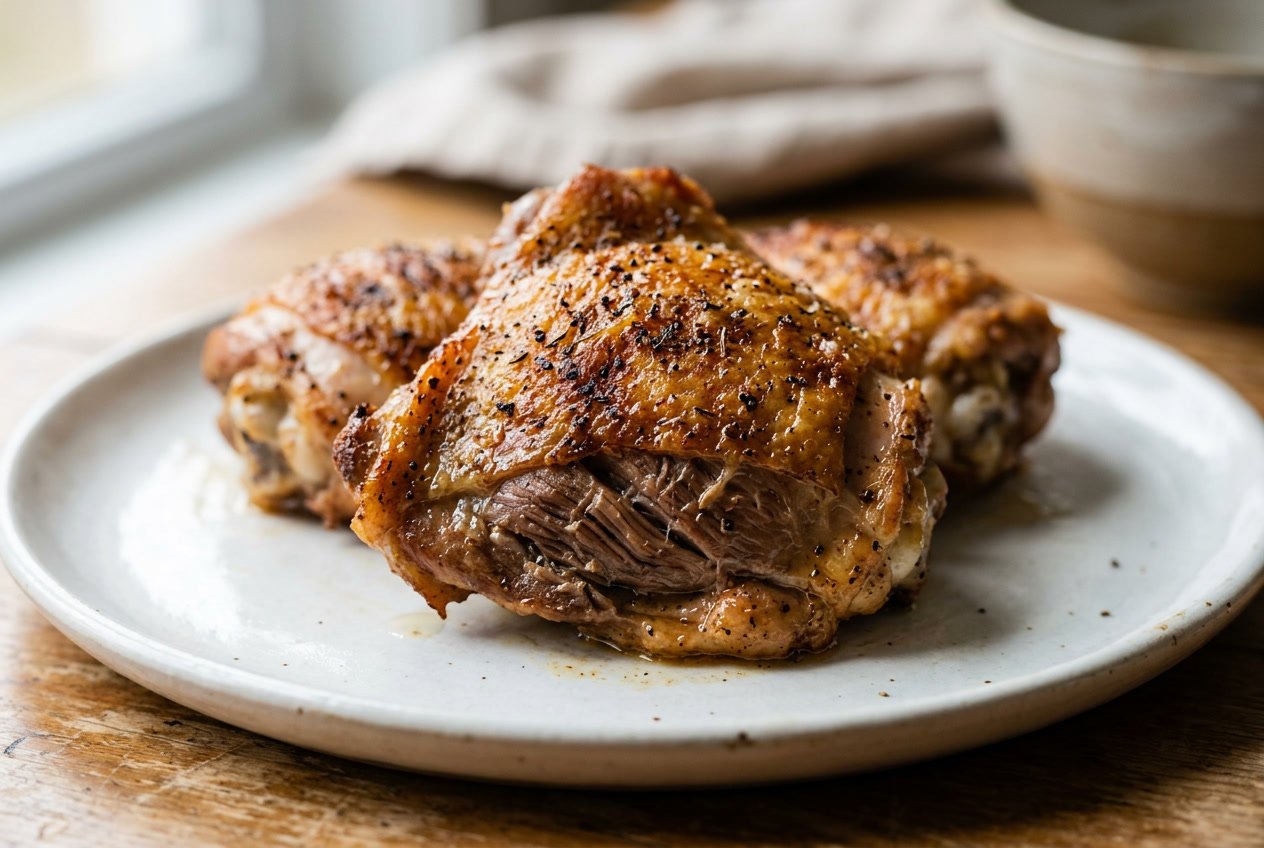
You can encounter tough or coarse texture in thigh meat, but it’s less common and usually has different causes than woody breast.
Below are the specifics about how often it happens, why thighs differ from breasts, and rare muscle conditions that can affect dark meat.
Prevalence of Woody Texture in Chicken Thighs
Woody breast syndrome primarily affects the breast muscle and is widely reported in commercial broilers. Thighs are made of different muscle fibers—darker, more oxidative, and higher in fat—so you will rarely find the classic “woody” hard bands in thighs.
When thigh meat is tough, you’ll more often feel general chewiness or grittiness rather than firm, fibrous knots.
Production factors like rapid growth and large-breast genetics drive woody breast, but those pressures don’t target thigh muscles as strongly. Poor handling, old age of the bird, or improper storage and cooking can make thighs unappealingly tough.
Check texture by pressing the raw thigh. Excess firmness or separable white bands can indicate muscle alteration or connective-tissue buildup.
Comparing Thighs and Breasts
Breasts are white muscle with fast-twitch fibers and can develop woody bands under stress and rapid growth. Thighs are dark meat with slow-twitch fibers and more intramuscular fat, so they keep tenderness better through mechanical stress and growth rates.
That difference explains why woody chicken breast shows a distinct hardened texture while thighs more often show juiciness loss or generic toughness.
In thighs, a similar muscle separation is less common. You might find higher connective tissue or gristle, especially in older birds or poorly processed carcasses.
Cooking method matters. Thighs respond well to slow, moist heat that breaks collagen, while breasts with woody changes won’t reliably soften with the same treatments.
Rare Cases and Related Muscle Conditions
Although uncommon, thighs can show muscle abnormalities related to the same metabolic stresses that cause woody breast. Researchers have documented other myopathies and increased connective tissue in different muscle groups.
You might see localized hard patches, increased fibrosis, or uneven texture in the thigh if the bird experienced poor circulation or chronic stress.
If you encounter unexpectedly hard or stringy thigh meat, inspect for off-odors, discoloration, or excessive exudate before cooking.
For salvage, use braising or slow-cooking to convert collagen to gelatin and improve mouthfeel.
If the texture still feels like the woody breast descriptions—firm, cord-like bands—avoid that product and report it to the retailer, since it may indicate a processing or flock-health issue.
What Causes Woody Chicken
Woody texture in poultry comes from changes in muscle structure, growth, and metabolism. The main drivers are breeding, diet and growth pace, muscle fiber development, and related muscle disorders.
Genetics and Selective Breeding
Selective breeding for fast growth and large breast muscles is the primary genetic driver. Modern broiler lines are chosen for rapid weight gain and high breast yield, which increases the demands on pectoral muscles.
That selection has raised the incidence of hardened, fibrous areas in the breast.
This effect appears unevenly: some birds show severe stiffness in the breast while others from the same flock appear normal.
Genetic predisposition doesn’t guarantee woody tissue, but it raises the risk when combined with other stressors.
Feed and Growth Rate Factors
What you feed and how quickly birds grow directly affect muscle quality. High-energy, high-protein diets push birds to reach market weight faster, which can outpace supportive tissue development and blood supply to the muscle.
Rapid muscle enlargement increases cellular stress and reduces oxygenation in large muscle bundles.
Management decisions like light schedules, feed formulation, and stocking density alter growth curves. Slower, more balanced growth and dietary adjustments can reduce incidence, while push-for-speed production systems tend to increase woody cases.
Muscle Development Issues
Woody areas reflect localized muscle damage and altered repair pathways in the breast. Connective tissue replaces normal muscle fibers in affected zones, producing the hard, chewy consistency.
Microscopic changes include fibrosis, fat infiltration, and altered fiber alignment.
Inflammation, impaired vascularization, and oxidative stress in rapidly growing muscle all contribute. Those processes interfere with the normal regeneration of muscle cells, so tissue heals with stiffer connective material.
Associated Conditions: White Striping and Spaghetti Meat
Woody breast often appears with white striping and spaghetti meat. White striping shows as visible white streaks of fat and connective tissue running parallel to muscle fibers.
Spaghetti meat describes loose muscle fibers that separate easily, reducing structural integrity.
When these conditions appear together, you’ll typically see compounded quality issues: toughness from woody areas, fatty marbling from white striping, and flaking or stringy texture from spaghetti meat.
All three are more common in birds bred and managed for extreme breast growth.
How To Identify Woody Texture in Chicken
You can spot woody texture by checking color, firmness, and how muscle fibers feel. These cues help you decide whether a piece is usable or best cooked slowly.
Use touch and sight together, and compare suspect pieces to a known-good sample when possible.
Visual and Tactile Signs
Look for a paler, whiter, or slightly opaque color in the breast or thigh compared with a normal pinkish hue. The affected area may also show streaks of connective tissue or a dry, matte surface.
Press the meat with your fingertip. If it feels unusually firm, rubbery, or springy even after cooking, that indicates woody texture.
You may also feel pronounced, coarse muscle fibers that run along the grain. Those fibers won’t break apart easily when you pull the meat.
Woody breast is typically localized to the pectoral muscle, while woody changes in thighs are rarer but detectable by the same firm, stringy feel.
Shopping and Selection Tips
When buying fresh chicken, compare pieces visually under store lighting. Pick breasts that look moist with a uniform pink-white color.
Avoid pieces that appear chalky, pale, or have visible bands of connective tissue.
Feel the package through the wrap if allowed. Choose cuts that give slightly to pressure and spring back.
If a sample feels rigid or stringy, request a different pack or ask the butcher to show another tray.
For frozen chicken, check for excess ice crystals or freezer burn that can mask texture issues. Prefer reputable brands or labels like “broiler-fryer” for younger birds.
If you suspect woody breast at the market, buy thighs or dark meat cuts instead for more forgiving texture.
Commonly Affected Cuts
Woody breast most commonly affects the pectoral (breast) muscle of fast-grown broilers. It presents as a hardened, pale patch in the center or along one side of the breast.
Thighs and other dark cuts are less frequently woody but can become tough from age, improper storage, or overcooking. When thighs are affected, you’ll notice coarser fibers and a heavier, denser feel.
Wings and small cuts rarely show the classic woody texture because they have different muscle composition and activity levels. If you want to avoid the issue for a recipe that needs tender meat, choose thighs or legs from younger stock or opt for slow-cooking methods that break down collagen.
Preventing and Managing Woody Texture
You can reduce the risk of woody texture by choosing the right product at purchase and by favoring farms and breeds that prioritize slower growth.
Handling, storage, and cooking choices also affect whether thighs or breasts end up chewy.
Choosing Quality Chicken
Look for thighs and breasts that are plump, uniformly colored, and slightly springy to the touch. Avoid pieces that feel hard, pale, or have an uneven, stringy surface.
Prefer fresh over heavily frozen packages when you can inspect the meat. If you must buy frozen, check packaging dates and avoid freezer-burned or icy-looking pieces.
At the store, buy from counters with high turnover or reputable brands that provide lot or batch information.
Labels like pasture-raised, free-range, and slower-growth breed correlate with lower incidence of woody breast. Organic can help, but confirm “free-range” or “pasture-raised” for better odds.
When in doubt, ask the retailer about supplier practices or look for third-party welfare certifications.
Breeding and Farming Practices
Selective breeding for rapid breast growth links to woody breast and can affect thighs indirectly through overall musculoskeletal stress. You can favor suppliers who use slower-growth breeds; these birds develop muscle fibers more gradually.
Farm management matters. Farms that provide more space per bird, enrichment, and lower stocking densities reduce stress and promote normal muscle development.
Ask suppliers or check labels for stocking density information or welfare certifications.
Antibiotic use and rapid-feed regimens can also influence growth rate. Producers that avoid aggressive growth-promoting practices and use balanced nutrition tailored for steady growth lower the chance of woody muscle conditions.
Seek brands that publish farming practices and growth timelines if you want concrete evidence.
Cooking Techniques for Woody Chicken
You can restore tenderness by breaking down fibers, adding moisture, and adjusting cooking time and temperature.
Focus on mechanical tenderizing, acidic or enzymatic marinades, and recipes that cook low and slow or shred the meat.
Tenderizing Methods for Chicken
Pound thighs to an even ½-inch thickness with a meat mallet or rolling pin. This shortens muscle fibers and helps them cook uniformly.
Lightly score the surface with a sharp knife in one direction to help marinades penetrate. Salt-brine the chicken using a 5–8% salt solution for 30–90 minutes, then rinse and pat dry before cooking.
Simmer or braise thighs at 160–180°F (70–82°C) for 60–120 minutes to convert collagen to gelatin and soften the meat. Grind or shred cooked woody thighs using a food processor, box grater, or fork.
Break meat into small pieces for tacos, salads, or soups.
Marinating Chicken Effectively
Choose acids, enzymes, or dairy based on the result you want. Use citrus juice or vinegar for 20–40 minutes for quick tenderizing, but avoid over-marinating to prevent a mealy texture.
Use fresh pineapple or papaya juice for 15–30 minutes for enzymatic tenderizing. Monitor closely to avoid mushiness.
Marinate thighs in yogurt or buttermilk for 2–8 hours in the fridge for gentle, steady protein breakdown and added moisture. Add aromatics and oil for flavor and even coating.
Pat chicken dry before searing to ensure good browning and crisp skin. Try an apple-based marinade for mild sweetness and some enzymatic tenderizing.
Combine grated apple, a splash of apple cider vinegar, olive oil, salt, and herbs. Marinate 1–4 hours.
Recipe Adaptations
Choose moist-heat dishes that help mask or reverse woody texture. Stews, curries, braises, and slow-cooker recipes work best.
Replace pan-frying with braising in 1 or 2 cups of stock, wine, or coconut milk at low heat for at least an hour. Continue cooking until thighs pull apart easily.
Shred slow-cooked thighs with aromatics after 2 to 4 hours. Use the meat in tacos, sandwiches, or enchiladas.
If you want crispy skin, braise the thighs briefly. Finish them under a hot broiler or in a hot skillet to render fat and crisp the exterior.
If you need to grill, pre-slice thick thighs into cutlets or butterfly them and marinate longer. Use a two-zone fire by searing briefly over high heat, then moving to indirect heat to cook slowly until tender.


