
Can Chicken Thighs Be Healthy? Nutrition, Benefits & Cooking Tips
You can enjoy chicken thighs as part of a healthy diet when you choose skinless pieces, watch added fats and sodium, and use lean cooking methods.
Chicken thighs deliver solid protein plus vitamins and minerals. When prepared the right way, they fit into balanced meals without wrecking your nutrition goals.
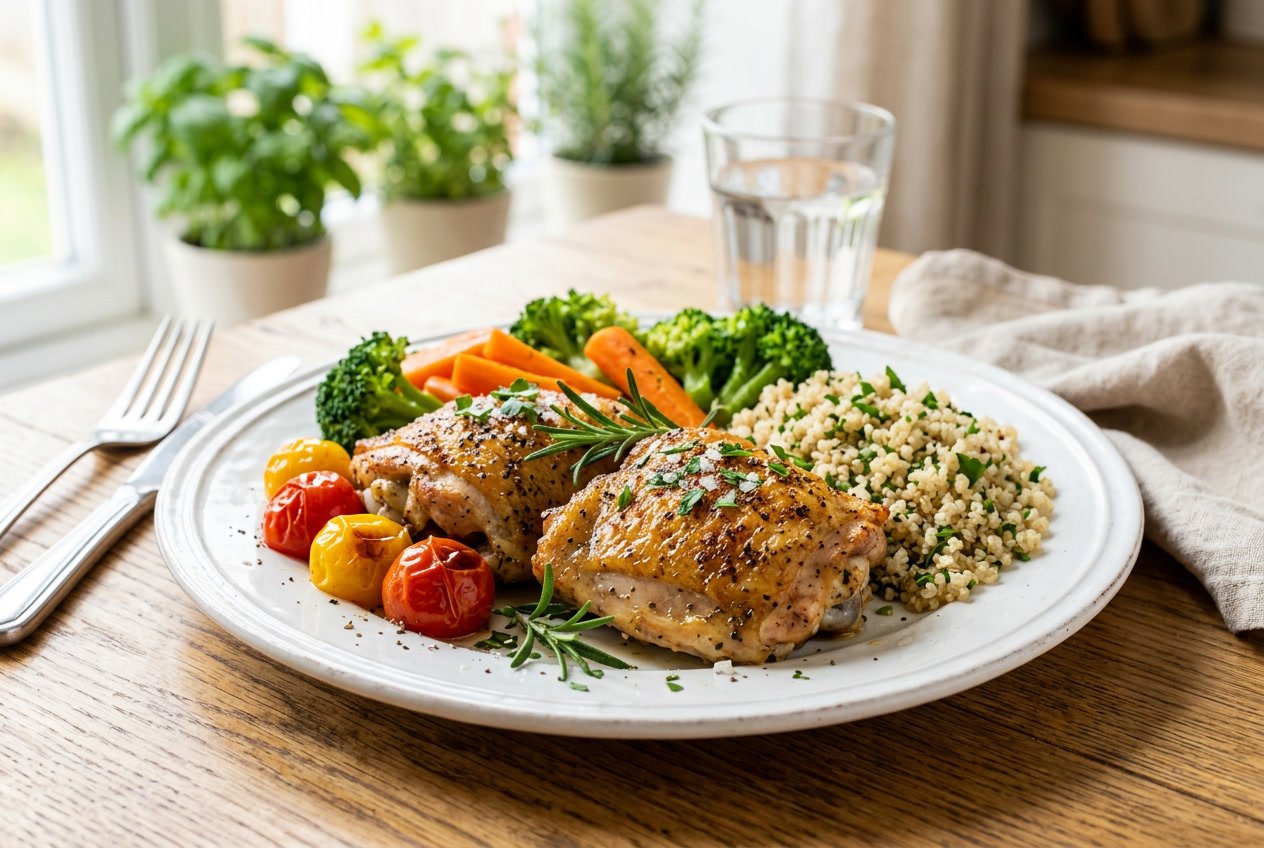
This post explains the nutrition facts, compares thighs to breasts, and shares health benefits and cooking tips.
You’ll find practical guidance on portioning, prep methods like grilling or baking, and what to look for at the store.
Can Chicken Thighs Be Healthy?
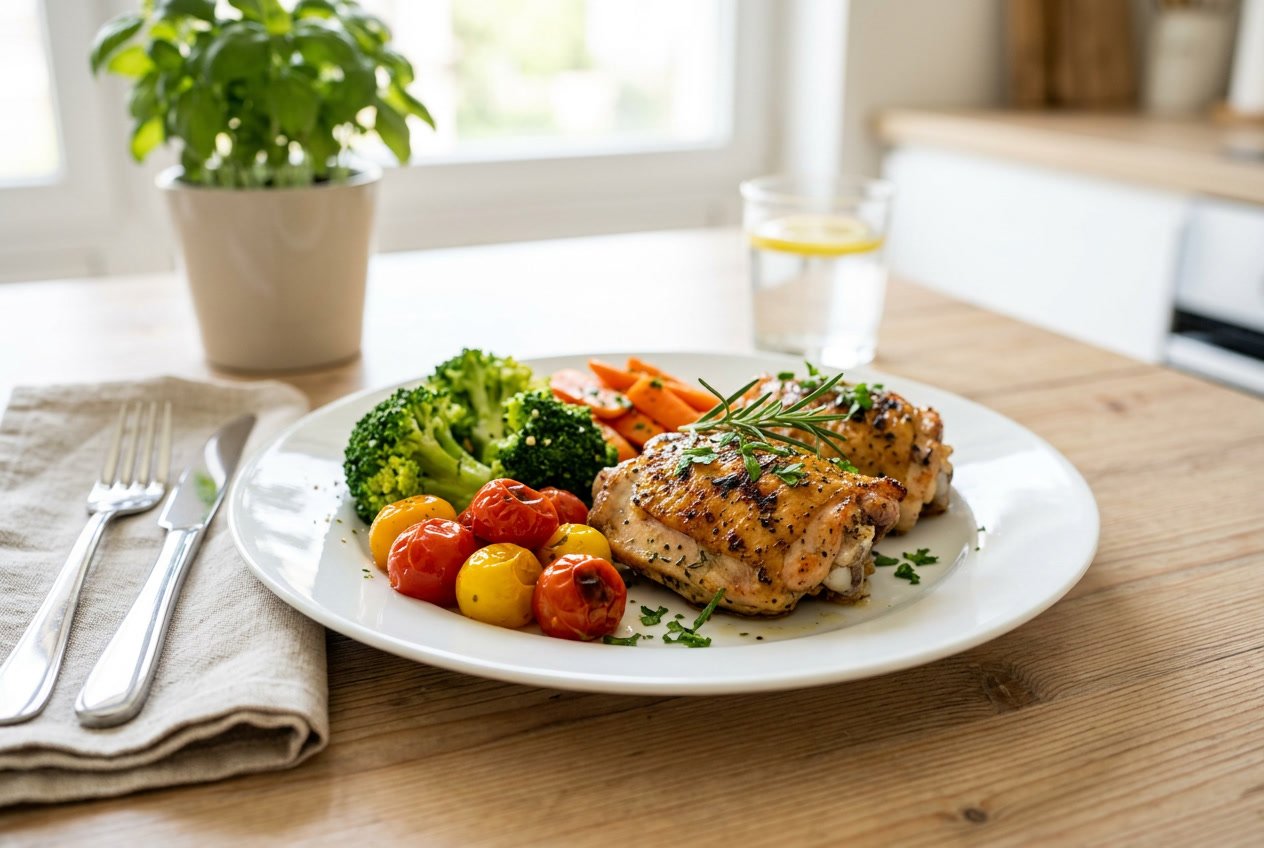
Chicken thighs provide concentrated protein, iron, zinc, and B vitamins. Thighs contain more fat and calories than breast meat.
How you cook them and whether you remove the skin determine their place in a balanced diet.
Understanding Chicken Thighs and Health
A 3-ounce skinless chicken thigh delivers about 20–22 grams of protein and roughly 160–180 calories.
You also get minerals like iron and zinc in higher amounts than in chicken breast, which supports energy and immune function.
Fat content is higher in thighs, with around 7–10 grams of total fat per 3-ounce serving when skinless.
Much of that fat is monounsaturated and can be part of a heart-healthy diet if overall saturated fat stays low.
If you keep the skin, calories and saturated fat rise substantially. Removing skin is a simple way to reduce fat.
Choose cooking methods such as grilling, baking, or stir-frying with minimal added oil to keep thighs lean.
Pair thighs with vegetables and whole grains to balance calories and boost fiber, vitamins, and minerals.
Are Chicken Thighs Healthy Compared to Other Cuts
Compared with chicken breast, thighs contain more calories and fat but offer more iron, zinc, and flavor.
A 3-ounce chicken breast typically has about 140 calories and 3 grams of fat versus about 164–180 calories and 7–10 grams of fat for a thigh (skinless).
If your priority is lower calories and saturated fat, breast is the better choice.
If you want richer flavor, higher micronutrient density, and slightly more satisfying fat, thighs work well.
Use this simple rule:
- Choose breast for very low-fat, high-protein meals.
- Choose skinless thighs when you want flavor and extra micronutrients without excessive added fat.
Adjust portion size and cooking method to match your goals.
For example, a grilled skinless thigh plus a large salad and a whole grain provides balanced protein, fiber, and nutrients without excess calories.
Common Misconceptions About Chicken Thighs
Myth: “Thighs are unhealthy because they’re fatty.”
Fact: Thighs have more fat than breast but provide beneficial monounsaturated fats and important nutrients. Health impact depends on portion, skin use, and cooking method.
Myth: “Only breast counts as lean protein.”
Fact: Both cuts are high-quality protein sources. Thighs give more iron and zinc per serving, which can matter if you’re low in those minerals.
Myth: “You must avoid thighs on a heart-healthy diet.”
Fact: You can include skinless thighs in a heart-healthy plan by limiting saturated fat elsewhere and avoiding frying.
Swap heavy sauces and deep-frying for herbs, citrus, and dry-heat cooking to keep thighs nutritious.
Chicken Thigh Nutrition Facts
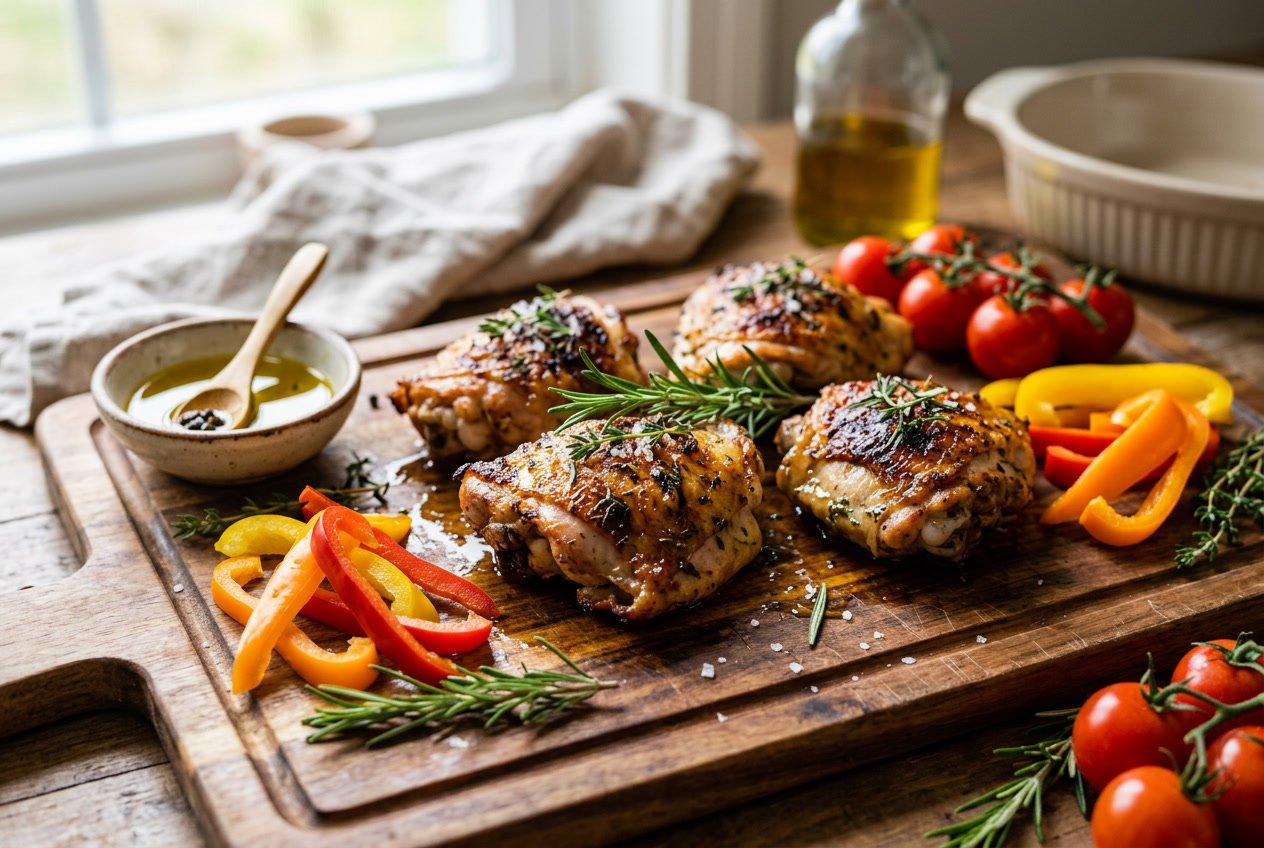
Chicken thighs give you concentrated protein, moderate fat, and several important minerals and B vitamins.
The numbers change with cooking method and whether the skin and bone stay on, so pay attention to portion size and preparation.
Calorie and Macronutrient Profile
A 3-ounce (about 85 g) cooked, skinless boneless chicken thigh typically provides roughly 160–170 calories and about 20–22 grams of protein.
That serving supplies around 8–10 grams of total fat, including roughly 1.5–3 grams of saturated fat.
If you use bone-in or slightly larger portions, protein and calorie counts rise proportionally.
Key points to track:
- Protein: about 20–26 grams per 100 grams cooked for skinless thighs, useful for muscle maintenance and satiety.
- Fat: about 8–12 grams per 100 grams cooked for skinless; higher when skin is left on.
- Carbohydrates: negligible (0 grams).
Monitor portion size if you’re counting calories or fat grams. A 6-ounce cooked portion roughly doubles these values.
Vitamins and Minerals in Chicken Thighs
Chicken thighs provide notable amounts of B vitamins—especially niacin (B3), pyridoxine (B6), and B12—which support energy metabolism and nervous-system function.
Per typical servings, thighs deliver useful amounts of selenium and phosphorus, plus iron and zinc that help with immune function and oxygen transport.
Specific micronutrients to note:
- Selenium: often around 15–25 mcg per serving, supporting antioxidant enzymes.
- Iron and zinc: present in modest amounts, more than in white meat per gram.
- B12 and B6: helpful if you rely on animal proteins for daily intake.
These micronutrients make chicken thighs a useful choice when you want more than just protein.
Skinless vs. Skin-On Chicken Thigh Nutrition
Removing the skin lowers calories and fat substantially.
A 3-ounce roasted chicken thigh with skin can reach about 270–280 calories and 16–18 grams of fat, while the same portion skinless drops to about 160–170 calories and 8–10 grams of fat.
If you want the flavor of dark meat but less saturated fat and overall calories, choose boneless skinless chicken thighs and use dry-heat cooking methods like grilling or baking.
Practical tips:
- For lower fat and calories: trim visible fat and remove skin before cooking.
- For juiciness with less added oil: brine briefly or use low-temperature roasting.
- For meal planning: treat skin-on thighs as a higher calorie protein choice and adjust sides accordingly.
Health Benefits of Chicken Thighs
Chicken thighs deliver concentrated protein, useful B vitamins, and minerals like iron and selenium in each serving.
When you choose skinless thighs and cook them with low added fat and salt, they fit well into meals that aim for satiety, nutrient density, and affordability.
Protein Quality and Satiety
A 3-ounce serving of skinless chicken thigh provides about 20 grams of protein, supplying all nine essential amino acids your body needs.
That complete protein supports muscle maintenance and repair, which matters if you exercise, are aging, or want to control appetite.
Protein from thighs digests moderately slowly compared with very lean cuts, so you often feel fuller longer after a thigh-based meal.
Use thighs in balanced plates—paired with fiber-rich vegetables and whole grains—to reduce snacking and help portion control.
Micronutrient Advantages
Chicken thighs contain higher amounts of several micronutrients than breast meat, notably iron, zinc, selenium, vitamin B12, and niacin.
These nutrients support oxygen transport, immune function, thyroid health, and energy metabolism.
If you remove the skin you lower calories and saturated fat while preserving these micronutrients.
Thighs also supply small amounts of potassium and B6, which help with electrolyte balance and protein metabolism.
Role in Balanced Diets
You can include chicken thighs in a balanced diet by controlling cooking method and portion size.
Grill, bake, or broil skinless thighs and avoid heavy sauces to keep added fat and sodium low.
A typical 3-ounce cooked portion fits easily into a 400–600 calorie meal when combined with vegetables and a whole grain.
Thighs are often less expensive than breasts, so they enable you to buy nutrient-rich protein more affordably and plan diverse meals like stews, grain bowls, and salads.
Use herbs, citrus, and spices to enhance flavor without extra salt, and rotate thighs with other lean proteins for dietary variety.
Comparing Chicken Thighs and Chicken Breasts
You’ll find clear trade-offs between fattier, juicier chicken thighs and leaner, higher-protein chicken breasts.
Consider calories, satiety, cooking methods, and budget to pick the cut that fits your goals and meals.
Nutritional Differences
Chicken breasts are lower in calories and total fat than chicken thighs.
A 100-gram serving of boneless, skinless breast typically provides more protein per gram and less fat.
Thighs contain more total fat and slightly fewer grams of protein per 100 grams, which raises calorie density.
That extra fat includes more monounsaturated and some saturated fat. It also helps with absorption of fat-soluble vitamins when you pair the meat with vegetables or dressings.
Thighs also tend to have higher iron and zinc levels per serving, which matters if you need those minerals.
If you’re watching calories strictly, breasts give more protein for less energy.
If you want longer fullness, more micronutrients per bite, or easier cooking tolerance, thighs offer advantages.
Flavor and Cooking Versatility
Chicken thighs deliver richer flavor and stay moist in longer cooking methods.
You can braise, grill, roast, or slow-cook thighs with less risk of drying. Thighs are ideal for stews, curries, and high-heat charred recipes.
Breasts suit quick, high-heat cooking like pan-searing or grilling when sliced thin or brined to prevent dryness.
They work best when you need lean protein in salads, stir-fries, or meal-prep portions.
Overcooking removes moisture quickly, so timing matters more with breasts.
Use thighs when flavor and texture matter more than minimal fat.
Use breasts when you prioritize lower fat and crisp, clean protein portions.
You can also mix both in menus to balance taste and nutrition.
Cost and Accessibility
Thighs are often cheaper per pound than breasts at retail and in bulk.
That makes thighs a cost-effective protein for families, meal prep, and recipes that feed several people.
Breasts may be more widely promoted for fitness and diet plans, so stores often stock more processed or pre-trimmed breast options.
Those convenience products can cost more per unit of protein.
If budget matters, choose thighs or buy whole birds and butcher them yourself to get both dark and white meat.
If convenience and lean portions matter more, select breasts. Watch for sales and frozen options to lower cost.
Healthy Cooking Methods for Chicken Thighs
Choose lower-heat methods, trim visible fat, and rely on herbs, citrus, and spices for flavor instead of extra oil or salt.
Focus on internal temperature control and brief high-heat finishes to get a browned exterior while minimizing charring.
Grilling for Maximum Flavor and Health
Grilling gives you a deep smoky flavor for grilled chicken thighs without heavy breading.
Keep thighs skin-on only if you want extra crispness. Remove skin to cut fat and calories while still preserving juiciness with a marinade or brine.
Use two-zone grilling: sear over high heat (3–4 minutes per side) to develop color, then move to indirect heat until the internal temperature reads 165°F (74°C).
Flip frequently to reduce charring and avoid direct flames that produce PAHs.
Trim large fat deposits and pat thighs dry to reduce flare-ups.
For stuffed chicken thighs, grill indirectly after searing so the stuffing heats through without burning the exterior.
Brush with a simple mix of lemon, garlic, and olive oil or use a yogurt-based marinade to keep meat tender and lower added fats.
Baking and Roasting Tips
Bake at 375–400°F to render fat while keeping meat juicy.
Lower temps yield moister thighs; higher temps produce crisp skin.
Arrange thighs on a rack set over a sheet pan to allow fat to drip away and promote even browning.
Season with spices, citrus zest, or a light glaze instead of sugary sauces that add calories.
Roast bone-in thighs 30–40 minutes depending on size. Check for 165°F internal temp near the bone.
Rest for 5 minutes to let juices redistribute.
If you want juicy chicken thighs without skin, cover loosely with foil for the first two-thirds of cooking, then uncover to brown.
Use a meat thermometer rather than time alone; it prevents overcooking and keeps texture tender.
Air Frying and Stir-Frying Alternatives
Air frying gives you the crisp exterior of fried chicken thighs with far less oil.
Lightly spray thighs or toss in a tablespoon of oil. Cook at 375°F for about 18–22 minutes, flipping halfway.
Bone-in pieces will take slightly longer than boneless.
Stir-frying works well for boneless, skinless thighs cut into strips.
Use a high smoke-point oil and very high heat, cooking in small batches to sear quickly and retain juices.
Finish with a splash of low-sodium soy or citrus to add flavor without excess salt.
Both methods let you enjoy juicy chicken thighs and the texture of fried chicken thighs without deep frying.
For stuffed thighs, use oven or indirect grilling so the filling reaches a safe temperature.
Avoiding Excess Fat and Sodium
Trim visible fat and remove skin for a leaner meal. Replace heavy creams and butter with Greek yogurt, vinegar, or citrus-based sauces to reduce saturated fat while keeping the dish moist.
Use herbs, garlic, smoked paprika, citrus zest, and fresh pepper to build layered flavor instead of salt. Choose low-sodium broth for braises and avoid prepackaged marinades high in sugar and salt.
Spoon sauces on the side so you control portion size. If you want fried chicken thighs, use whole-grain crumbs for breading and bake or air-fry instead of deep-frying.
This method cuts oil absorption and still gives a crispy finish with less added fat.
Choosing the Right Chicken Thighs for Your Diet
Focus on portion size, whether to remove the skin, and what you serve with the chicken. These choices affect calories, saturated fat, and how filling your meal will be.
Portion Control and Serving Suggestions
Keep a cooked portion of chicken thighs to about 3–4 ounces (85–113 g) per person to match protein recommendations. That equals one small boneless skinless thigh or half a medium bone-in thigh after cooking.
A 3-ounce serving of skinless chicken thigh provides about 160–180 kcal and 18–22 g protein. Skin-on servings add 80–120 kcal depending on how much fat remains.
Weigh portions or use a palm-sized visual cue. Plate the protein first and fill the rest with vegetables or whole grains.
For batch cooking, portion immediately into single-serving containers to prevent overeating. Combine one small thigh with a cup of legumes or a half-cup of cooked whole grain for extra satiety.
Skinless vs. Skin-On Choices
Choose skinless chicken thighs or boneless skinless thighs to reduce fat and calories compared to skin-on options. Removing the skin cuts saturated fat significantly while keeping most of the protein and iron.
If you want deeper flavor, sear skin-on thighs briefly to render fat, then remove the skin before serving. For recipes that require browning, use the skin during cooking and discard it afterward.
Consider cooking method when choosing: grilling, baking, or broiling skinless thighs keeps added calories low. Pan-frying or breading skinless thighs will increase fat and energy regardless of skin.
If sodium is a concern, check labels since some pre-marinated thighs contain added salt.
Pairing with Vegetables and Whole Grains
Pair each 3–4 ounce portion of chicken thigh with at least one cup of non-starchy vegetables. This boosts fiber and volume without adding many calories.
Roasted broccoli, sautéed spinach, or a raw salad complement the richness of thighs. These options add micronutrients like vitamin C and potassium.
Add a serving (½–1 cup cooked) of whole grains such as brown rice, farro, or quinoa. This balances the plate with complex carbs and extra fiber.
This combination slows digestion and helps manage blood sugar after the meal. Use herbs, citrus, and spice blends instead of heavy sauces to control sodium and added fat while maintaining flavor.


