
Can Babies Have Chicken Thighs? A Guide for Parents
You can give your baby cooked, boneless, and properly prepared chicken thighs once they start solids. Chicken thighs can be a nutritious, iron-rich option when served in age-appropriate textures.
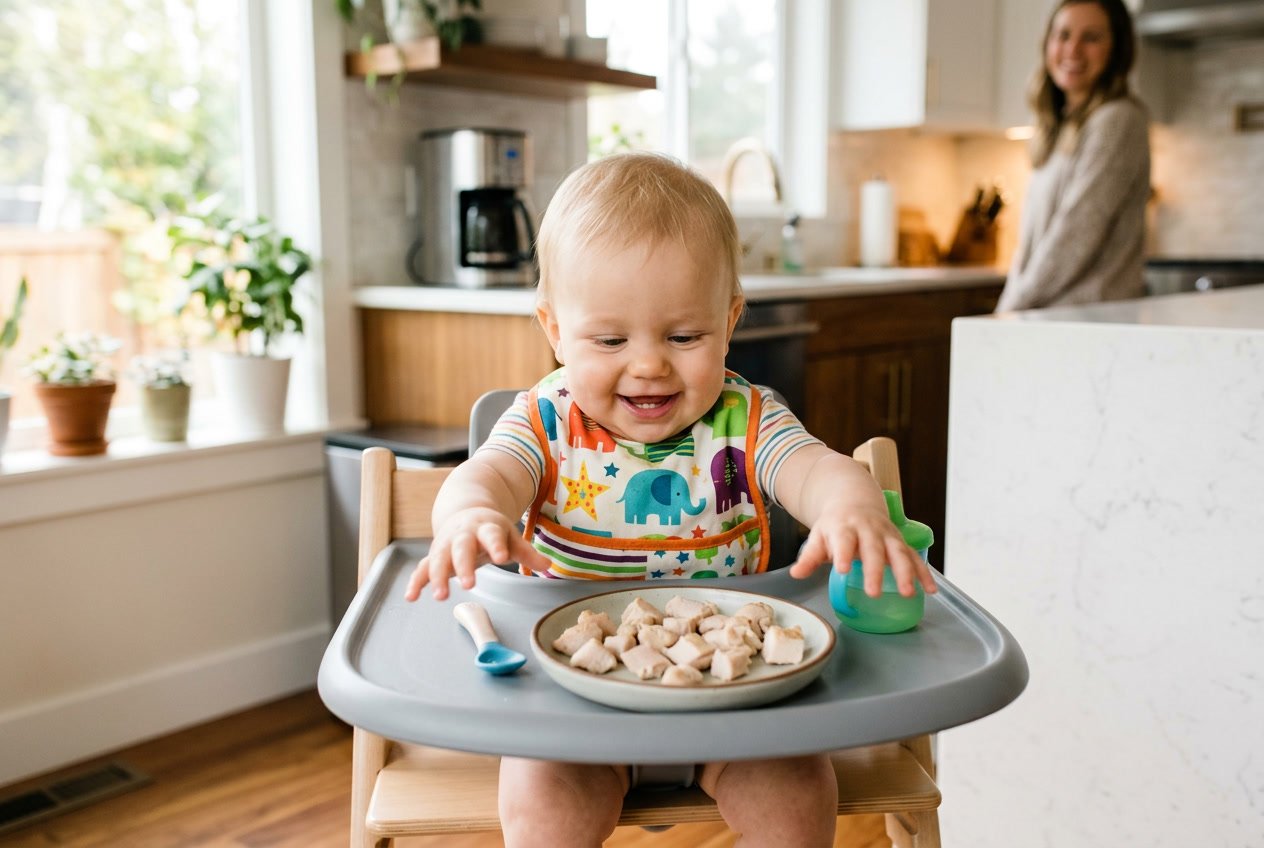
Ensure the meat is fully cooked to 165°F (74°C), bones and skin are removed, and the texture is adjusted (pureed, shredded, or finely minced) to match your baby’s chewing stage to prevent choking.
This guide explains when to introduce chicken thighs, safe preparation methods, puree and baby-led weaning options, dietary and allergy considerations, and how to choose tender, high-quality thighs.
Can Babies Have Chicken Thighs?
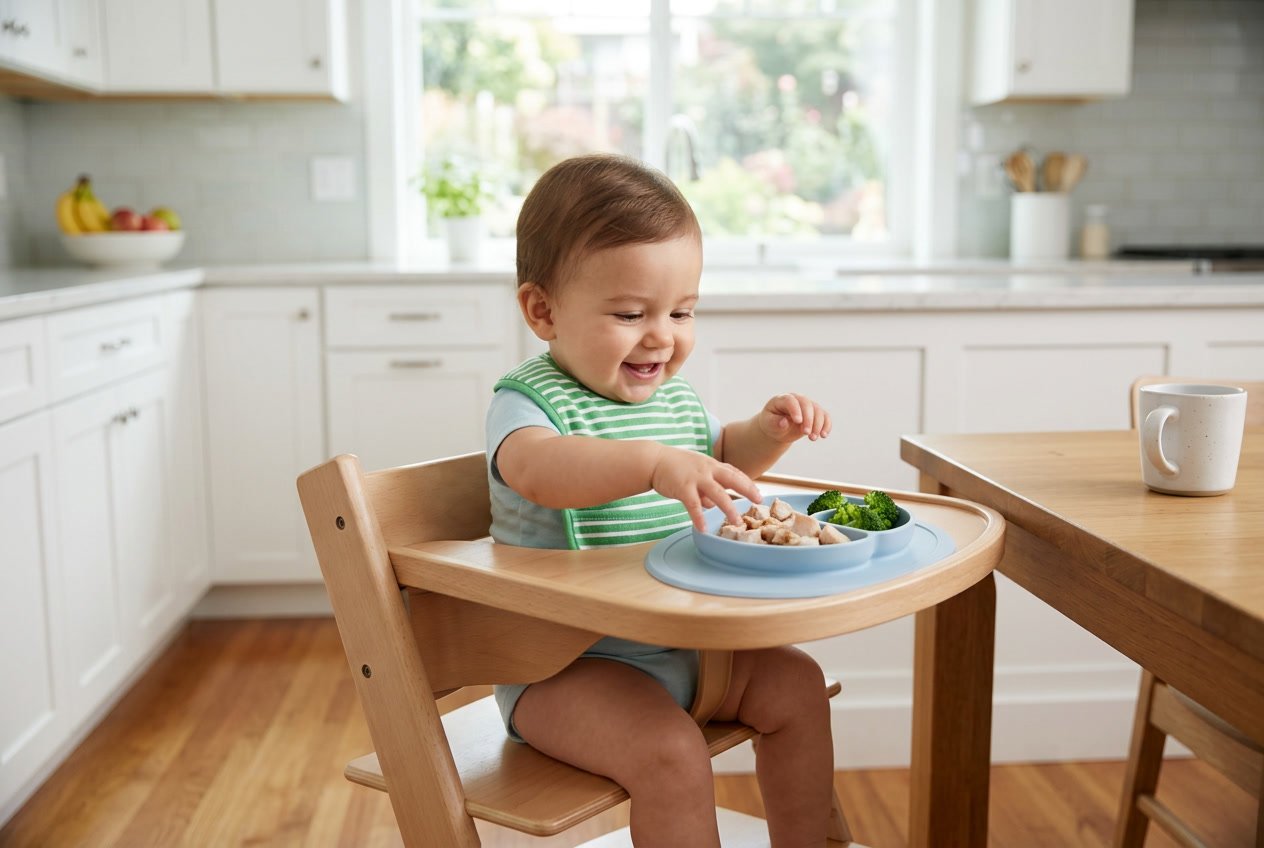
Chicken thighs are a soft, flavorful protein you can prepare gently for your baby. They provide iron and fat that support growth and adapt well to purees, shredding, or finger foods.
Age to Introduce Chicken Thighs
You can introduce cooked chicken thighs when your baby starts complementary foods, usually around 6 months. Start with pureed or very finely shredded thigh meat if your baby has limited chewing ability.
If you use baby-led weaning, offer long, soft strips or a deboned drumstick for grasping at about 6–8 months, depending on your baby’s gag reflex and oral motor skills. Always remove bones, cartilage, and tough skin before serving.
Cook thighs thoroughly to an internal temperature of 165°F (74°C) and cool them before serving. Introduce plain chicken first to monitor for reactions, then combine with vegetables or grains.
Nutritional Benefits of Chicken Thighs
Chicken thighs deliver high-quality protein that supports muscle and tissue growth after iron stores begin to drop around six months. Thighs contain more iron and zinc per serving than white meat, which helps meet your baby’s micronutrient needs.
They also contain slightly more fat than breast meat, which helps with calorie density for younger babies. That fat improves texture and tenderness, making thighs easier to mash or shred for early eaters.
A typical serving can be mixed with pureed vegetables, grains, or breastmilk/formula to improve texture and nutrient absorption. You can freeze small portions of pureed or shredded thigh meat for quick, balanced meals.
Chicken Thighs vs. Other Cuts for Babies
Thighs are fattier and often more tender after gentle cooking, which can make them better for early purees and shredded textures. Breast is leaner and may dry out unless cooked gently, so it works well for older babies who handle firmer pieces.
Ground chicken can form meatballs or patties that are easy to portion and chew. Use ground dark meat for softer, moister results and ground breast for leaner options.
Choose the cut based on the texture your baby tolerates and your feeding style. For iron and caloric needs, prioritize thighs or mix cuts. For low-fat preferences or firmer finger foods, choose breast or air-fried pieces.
Introducing Chicken to Babies
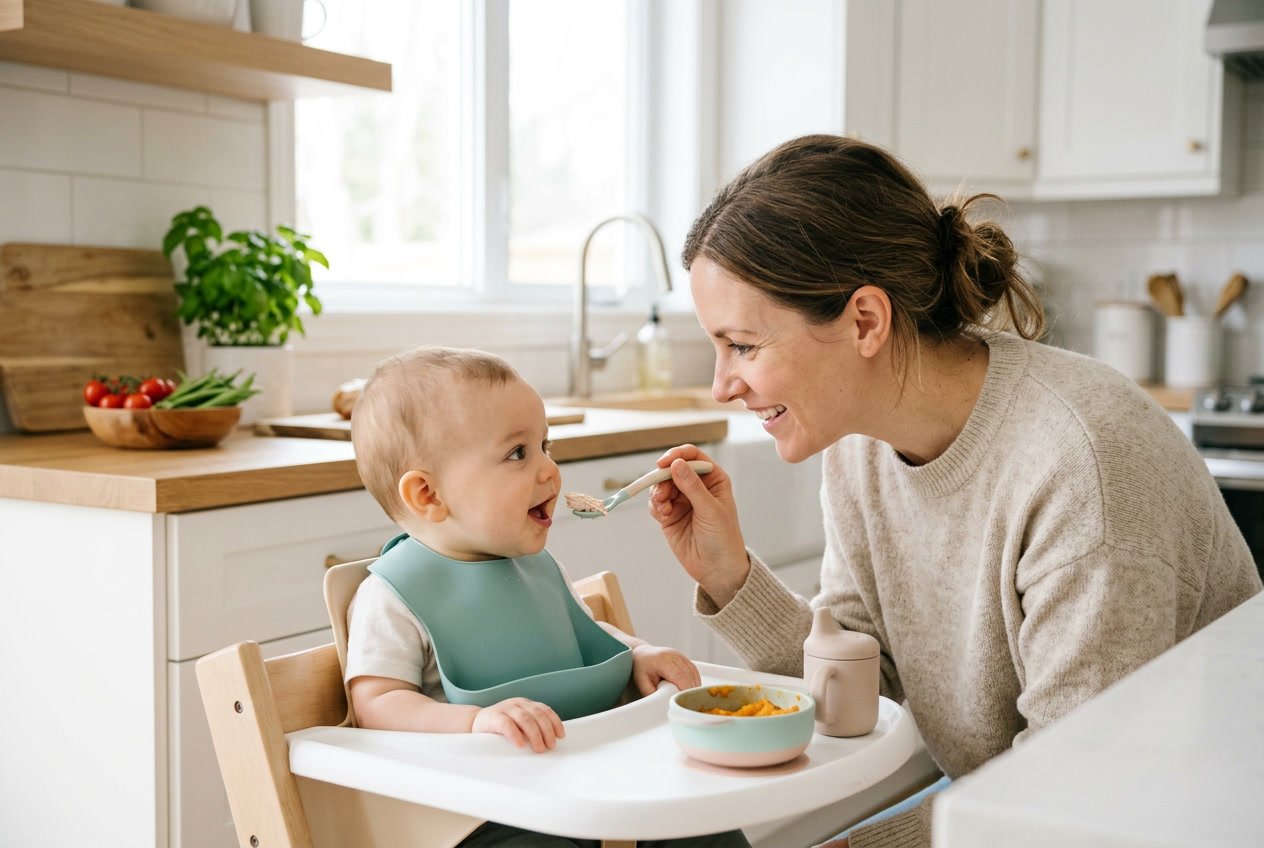
Chicken thighs provide iron, zinc, and protein for babies when introduced safely and at the right stage. Prepare boneless, fully cooked, tender pieces or purees, remove skin and bones, and follow age-appropriate textures and portion sizes.
Developmental Readiness and Signs
Wait until your baby can hold their head up steadily and sit with minimal support—typically around 6 months—before offering any chicken. Look for coordinated tongue and jaw movements, the ability to close lips around a spoon, and interest in family foods as signs your infant is ready for meat.
If you use baby-led weaning, make sure your baby can grasp and bring food to their mouth and handle soft, easy-to-chew pieces. For spoon-fed purees, start when they accept smooth textures and show no persistent tongue-thrust reflex.
Always check with your pediatrician if your baby was born prematurely or has feeding concerns.
Best Practices for Safe Introduction
Cook chicken thighs to an internal temperature of 165°F (74°C) and cool before serving. Use boneless, skinless thighs to reduce fat and choking risks, and shred or puree finely for younger infants.
Avoid salt, honey, and strong spices for babies under one year. Supervise every feeding session, seat your baby upright, and offer small spoonfuls or pea-sized shreds.
Store cooked portions in airtight containers in the fridge for up to 24 hours, or freeze in single-serve portions and thaw in the refrigerator overnight.
Gradual Introduction of Chicken
Start with 1–2 teaspoons of pureed or very finely shredded chicken mixed with breast milk, formula, or low-sodium broth. Increase to 1–2 tablespoons over several days if tolerated, watching for coughing, gagging, rash, vomiting, or diarrhea as possible signs of intolerance or allergy.
Progress texture by moving from smooth purees (6–8 months) to thicker mashed or minced chicken (8–10 months), then to thin shreds or small bite-sized pieces (9–12 months) to build chewing skills.
Keep portions small and introduce one new food at a time when possible to monitor reactions.
How to Prepare Chicken Thighs for Babies
Poach, simmer, or bake thighs gently, remove bones and skin completely, and adjust texture to your baby’s developmental stage. Use plain water or low-sodium broth, check internal temperature, and portion or puree to safe sizes.
Cooking Methods for Maximum Nutrition
Poaching preserves moisture and nutrients. Place boneless, skinless thighs in a single layer, cover with water or low-sodium broth, bring to a gentle simmer, and cook 10–15 minutes until the thickest part reaches 165°F (74°C). Let rest in the warm liquid for 5 minutes to retain juices.
Bake at 350°F (175°C) on a foil-lined tray and brush with a little breast milk or olive oil to keep meat from drying. Avoid frying or high-heat grilling for baby portions because those methods can make meat tough and add unnecessary fats.
To make chicken puree: cool cooked meat, chop roughly, then blend with reserved poaching liquid, breast milk, or formula until smooth. Store in ice-cube trays for 1-month freezing or refrigerate up to 48 hours.
Removing Bones and Skin Safely
Start with boneless, skinless thighs when possible to reduce risk. If you poach bone-in thighs, remove bones after cooking while the meat is warm; feel carefully for tiny splinters and discard any suspicious fragments.
Use a clean cutting board and sharp knife to trim any remaining cartilage or gristle. Pull the meat apart with two forks to expose hidden bits, then run your fingers or a fork through shredded pieces to detect small bones before serving.
Remove skin before cooking for easier handling and lower fat. If skin comes off after cooking, discard it and don’t mix skin into purees. Sanitize tools and surfaces after handling raw chicken to prevent cross-contamination.
Serving Size and Texture Recommendations
Match texture to age and chewing ability. For 6–8 months, serve 1–2 tablespoons of pureed or very finely minced chicken mixed with vegetables, cereal, or breast milk.
For 9–12 months, offer shredded pieces about the size of a pea or thin strips for self-feeding. Use a fork to shred into thin strands for older babies learning to chew.
For baby-led weaning, cook thighs until very tender, then offer a strip about 2–3 inches long and easy to grasp; ensure no bone fragments.
Food safety and portioning tips:
- Check temperature: 165°F (74°C) internal.
- Refrigerate leftovers within 2 hours; use within 48 hours.
- Freeze pureed portions in 1–2 tablespoon cubes for convenience.
Chicken Thigh Purees and Baby-Led Weaning
Chicken thighs provide iron and protein in a soft, flavorful form that works well for purees and for progressing to finger foods.
Making Chicken Thigh Puree
Cook chicken thighs until the internal temperature reaches 165°F (74°C) and the meat is very tender. Use boneless, skinless thighs to reduce fat and choking risk.
Poach in low-sodium broth or steam to retain moisture and avoid added salt. Shred the cooked meat and blend with cooking liquid, breastmilk, or formula for a smooth texture.
Start with about 1–2 tablespoons of liquid per 1/4 cup of meat and adjust for a spoonable consistency that won’t drip off the spoon too quickly. Cool to a safe temperature before serving.
Store purees in airtight containers in the fridge up to 48 hours or freeze in ice-cube trays for 1–2 months. Label portions with date and thaw overnight in the fridge. Reheat gently and stir to even temperature. Test before feeding.
Offering Chicken Thighs as Finger Foods
For baby-led weaning from around 6 months, serve long, soft strips of thigh with about half the piece protruding from your baby’s fist. Ensure the meat is tender and fibrous strands separate easily when pulled; this reduces bite-size choking hazards and supports self-feeding.
Try shredded chicken piled on soft toast, thin strips from slow-cooked thighs, or small meatballs made from minced thigh mixed with mashed veg. Avoid hard, dry crusts and whole chunks.
Supervise every bite and sit your baby upright in a high chair. Introduce one new preparation at a time and watch for gagging vs. choking.
Gagging is common as babies learn textures; stay calm and let them practice. Keep whole pieces small and soft enough to squash between finger and thumb.
Adapting Textures as Baby Grows
Between 6–9 months, move from smooth purees to thicker, lumpier purees and finely shredded thigh. Increase texture gradually to promote chewing and oral motor skills.
By 9–12 months, offer soft, bite-sized pieces your baby can mash with their gums. At 12 months and older, serve larger pieces your toddler can gnaw, such as flaked thigh or small, well-cooked chunks.
Limit added salt and strong spices until after 12 months, and continue to avoid choking-risk shapes like round nuggets or firm cubes.
Monitor intake of chicken for baby two to three times per week as a good source of iron and protein. Adapt portion size to appetite and family meals to encourage shared eating and varied flavors.
Safety and Dietary Considerations
Chicken thighs provide concentrated protein, iron, zinc, and B vitamins that support growth. You must cook, prepare, and store them properly to minimize allergy, choking, and bacterial risks.
Allergy and Food Safety Precautions
Introduce chicken after you’ve started other single-ingredient solids, usually around 6 months. Follow your pediatrician’s advice if your baby has eczema, family food allergies, or prior reactions.
Offer a small serving (1–2 teaspoons) on its own and watch for hives, vomiting, swelling, or difficulty breathing for 2–3 days before adding other new foods.
Cook chicken thighs to an internal temperature of 165°F (74°C) to kill pathogens. Use separate cutting boards and utensils for raw meat.
If you suspect an allergic reaction, stop feeding and seek medical help immediately.
Avoiding Choking Hazards
Shred, finely mince, puree, or very thinly slice cooked thigh meat to suit your baby’s chewing stage. For 6–8 months, serve a smooth puree or pieces no bigger than a pea (about 0.5 cm). For 9–12 months, offer thin shreds or 1 cm soft pieces while your baby sits upright and you supervise closely.
Remove skin, cartilage, and any tiny bone fragments. Avoid tough, stringy, or dry chicken that can form lumps.
When practicing baby-led weaning, pair chicken with soft finger foods like steamed vegetables or mashed potato to reduce risk.
Handling and Storing Cooked Chicken
Portion cooked thighs into single-serving containers while still cool to speed safe storage. Refrigerate within two hours and use within 24–48 hours. Freeze portions you won’t use within two days.
Label containers with date and portion size. Reheat until the center reaches 165°F (74°C) and stir to even the temperature.
Thaw frozen portions in the fridge overnight, not at room temperature. Discard reheated leftovers that have been sitting out for more than two hours or reheated more than once.
Tips for Choosing Chicken Thighs for Babies
Pick boneless, skinless thighs with a fresh smell and firm texture. Look for minimal packaging liquid and a clear label of the cut and weight.
Organic, Free-Range, and Quality Considerations
Choose boneless, skinless chicken thighs to reduce choking risk and make shredding or pureeing easier for your baby.
Look for organic and free-range labels, which often mean fewer antibiotics and more space for birds. Check the package for third-party certification such as USDA Organic or Soil Association, rather than relying on marketing terms.
Inspect the color and texture. The meat should look pale pink, not gray or slimy.
Avoid excess packaging liquid, as that can indicate older meat or added solutions. Prefer thighs with a sell-by date at least a few days out if you plan to refrigerate, or freeze them immediately.
If you buy bulk or frozen thighs, portion and label them before freezing in single-serve sizes. Use about 1–2 tablespoons cooked per serving for younger infants.
This makes thawing and reheating safer and reduces waste.
Avoiding Added Sodium and Preservatives
Read ingredient lists and avoid thighs labeled “enhanced,” “marinated,” or “with solution.” These often contain salt, phosphates, or preservatives that increase weight and shelf life.
Babies benefit from low-sodium foods. Even small added amounts can be significant for infants under one year.
Shop for plain, minimally processed cuts or ask the butcher for unseasoned, boneless thighs. When you buy frozen, check for only “chicken” or “chicken thigh” in the ingredients.
If you see salt or additives listed, choose another product.
When you cook, do not add salt. Use plain water, low-sodium broth sparingly, or simmer with a mild vegetable for flavor if needed.
This helps preserve taste development and protects your baby’s developing kidneys.


