
Are Chicken Thighs Boneless? Everything You Need to Know
You can buy chicken thighs either bone-in or boneless. Both options appear widely at grocery stores and in recipes, and the choice affects cooking time, texture, and flavor.
If you want quicker, more versatile cooking and easier shredding, choose boneless chicken thighs. If you prefer deeper flavor and a slightly slower cook, choose bone-in.
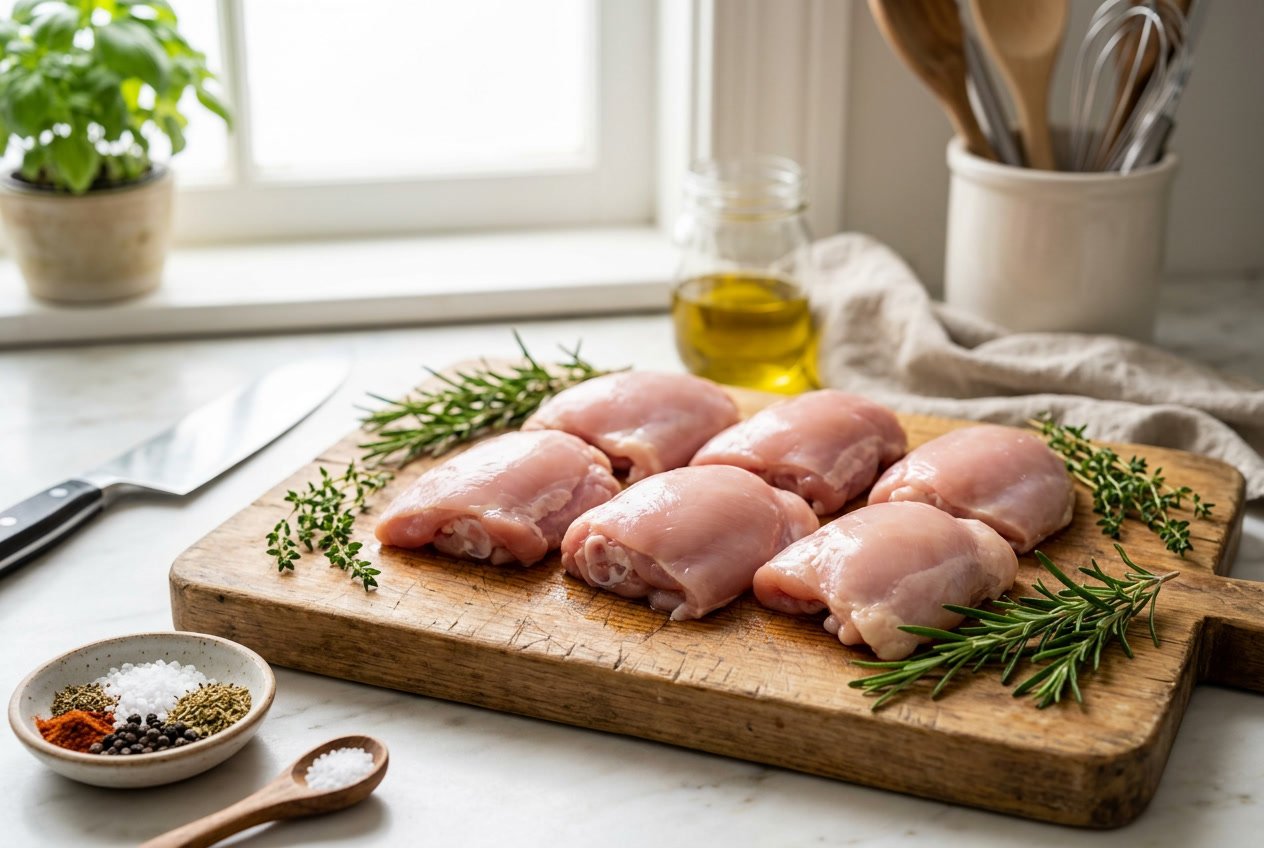
You’ll learn thigh anatomy, how to pick between bone-in and boneless for different dishes, and which cooking methods and global recipes best showcase each option. This guide offers clear, practical tips so you can shop and cook with confidence.
Understanding Chicken Thigh Anatomy
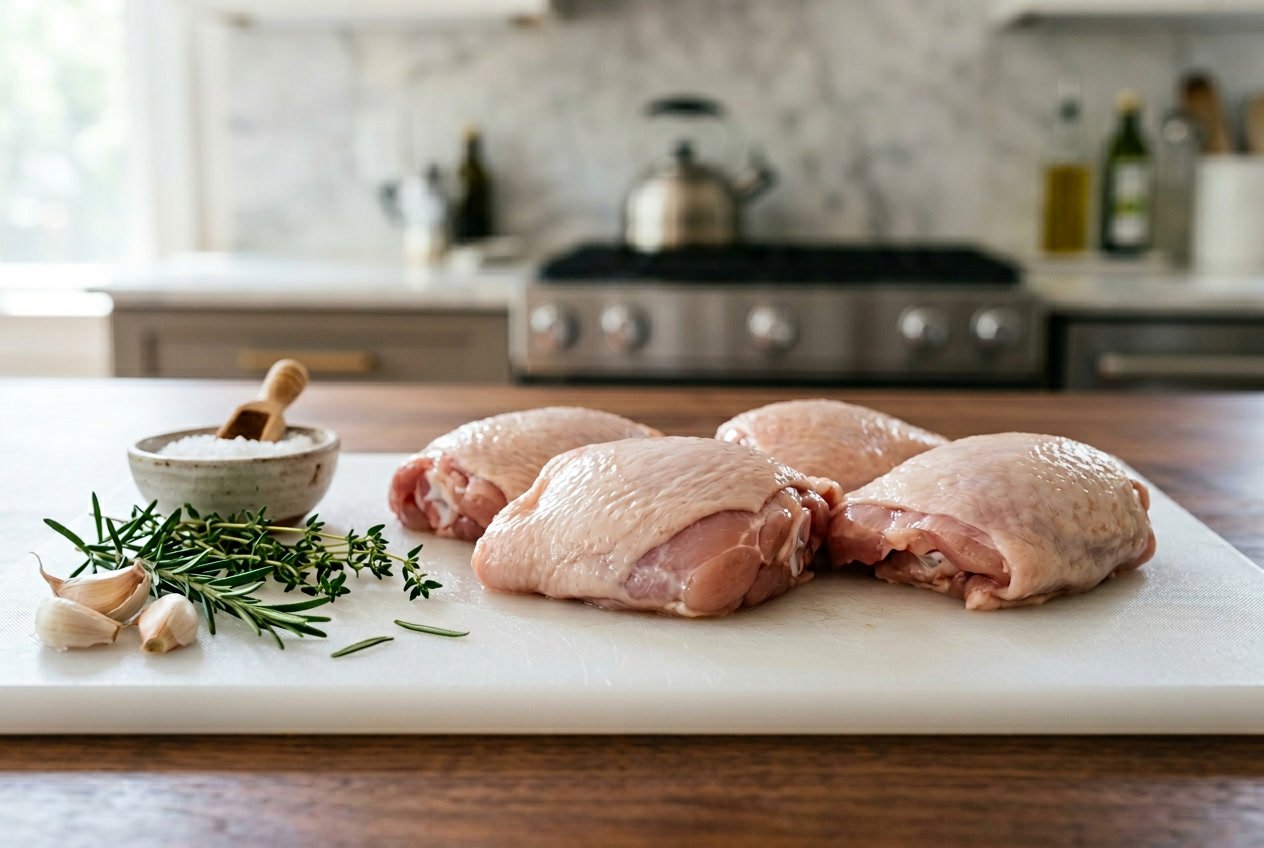
Chicken thighs form the upper part of the bird’s leg, between the hip joint and the knee. They contain muscle, bone, skin, and connective tissue, and stores sell them in several common forms that affect cooking and yield.
Bone-In vs. Boneless Chicken Thighs
Bone-in thighs include the femur and often the kneecap area. They weigh more and release extra flavor during long cooking.
You get more moisture retention and richer stock when you cook bone-in pieces, but you must allow extra time for heat to penetrate around the bone.
Boneless thighs have the femur and cartilage removed. They cook faster, are easier to slice or cut into strips, and give a higher edible-meat percentage by weight.
You might notice slightly less flavor concentration than bone-in, but many recipes use marinades or sauces to boost taste.
If you need uniform portioning or faster weeknight cooking, choose boneless. If you want maximum tenderness and deeper flavor for braises and roasts, choose bone-in.
How Boneless Chicken Thighs Are Made
Processors remove the femur and any small bones by cutting at the hip and knee joints, then pull the meat away from the bone. Butchers often debone by hand, while industrial facilities use machines to speed production and increase uniformity.
After deboning, producers may trim visible fat or leave the skin intact depending on the product. Some boneless thighs remain skin-on for added flavor and moisture; others are fully skinned or trimmed to create boneless, skinless thighs for convenience and lower fat content.
Check packaging for “trim level” and whether the product is skin-on or skinless. This affects cooking method, final yield, and nutritional values.
Boneless vs. Skinless vs. Skin-On
Boneless, skinless chicken thighs remove both the bone and the skin for the highest edible-meat ratio and fastest cook times. They suit stir-fries, quick sautés, and dishes where you want minimal trimming and less fat on the plate.
Boneless skin-on thighs keep the skin while removing the bone. You gain the crisping and fat that boost flavor during roasting or pan-searing, while still enjoying easier carving and faster cooking than bone-in.
Skin-on bone-in thighs offer the fullest flavor. Use them for slow braises, grilling, or roasting where the bone and skin contribute gelatin and taste.
Choose boneless, skinless for speed and leanness. Use boneless skin-on for crispy texture, and bone-in skin-on for depth and moisture.
How to Choose Between Bone-In and Boneless Chicken Thighs
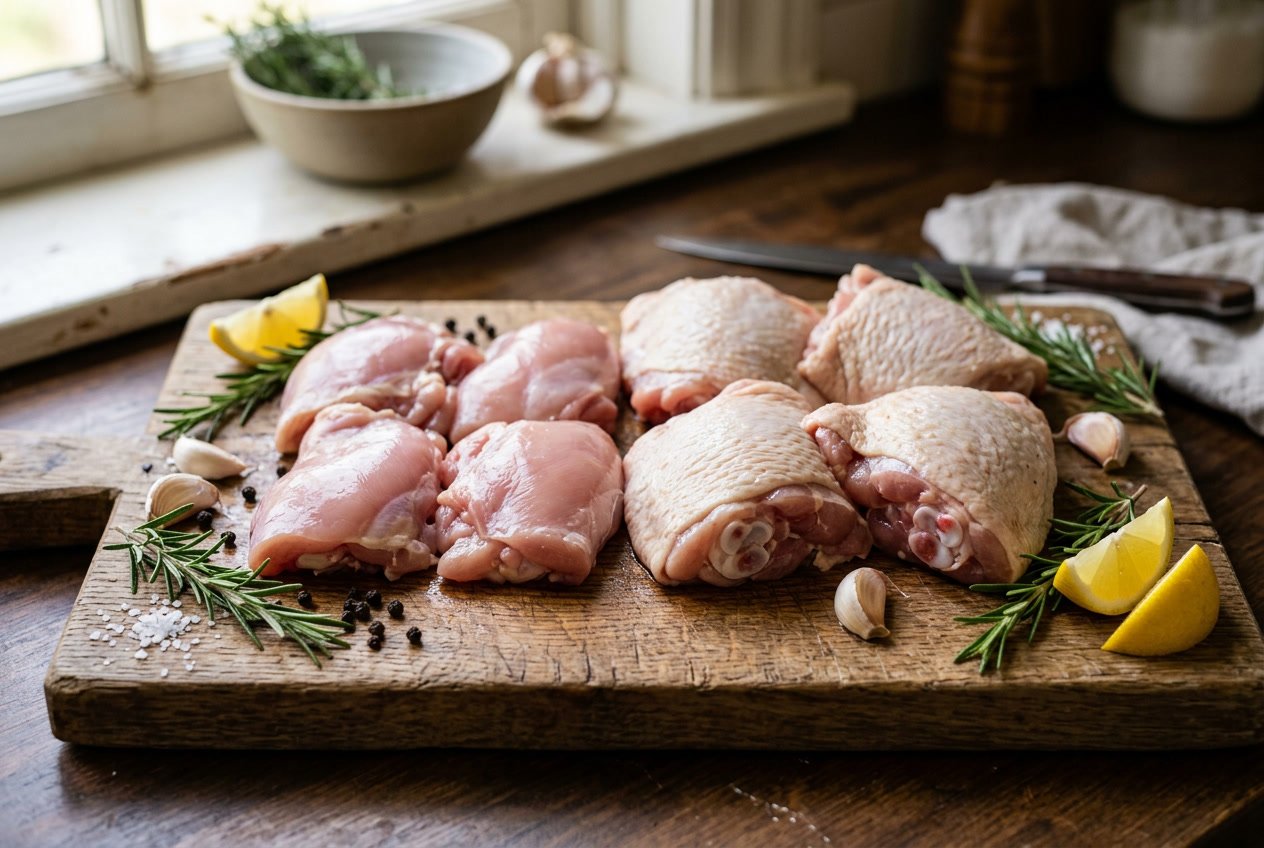
Pick the cut that matches your cooking method, time constraints, and how you plan to serve the dish. Consider flavor, cooking control, and the amount of usable meat you need.
Flavor and Texture Considerations
Bone-in thighs deliver more flavor and stay juicier during long cooking because the bone slows heat transfer and helps retain moisture. If you roast, braise, or grill for 25 or more minutes, bone-in, skin-on thighs give you crisp skin and richer mouthfeel.
Boneless, skinless thighs heat more evenly and finish faster, which helps when you need uniform slices for stir-fries or tacos. They lack the insulating effect of the bone, so watch cooking time closely to avoid overcooking.
For sauces or quick sears, boneless thighs absorb marinades faster and are easier to portion.
Cost Comparison
Bone-in thighs usually cost less per package because they require less butchering. They offer good value when you want to stretch a budget and still get tender chicken for stews or sheet-pan dinners.
Boneless thighs cost more but save prep time. The extra cost covers labor and convenience.
Compare price per pound of edible meat rather than packaged weight to evaluate true cost.
Yield and Meat Content
A bone-in thigh contains roughly 25 to 35 percent non-edible weight from bone, so yield of usable meat is lower than a boneless thigh of the same package weight. If a recipe calls for 1 pound of cooked meat, buy a larger weight of bone-in thighs to account for the bone.
Boneless thighs provide more predictable portioning and higher yield. They convert nearly 90 to 95 percent of package weight into edible meat when skinless.
If you need uniform pieces for plating or precise nutrition counts, choose boneless for consistent results.
Cooking Methods for Boneless Chicken Thighs
You can cook boneless chicken thighs quickly and still keep them juicy. You can also use low-and-slow methods for hands-off tenderness.
Choose oven, pressure or slow-cooker, or high-heat searing based on time, texture, and the final dish you want.
Oven-Baked Boneless Chicken Thighs
Preheat the oven to 400 to 425°F for a balance of speed and browning. Pat thighs dry, season or marinate, and arrange them in a single layer on a rimmed baking sheet or shallow dish so heat circulates evenly.
Bake times vary by thickness. Plan 15 to 22 minutes for typical boneless, skinless thighs.
Use an instant-read thermometer and remove at 165°F. Rest for 5 minutes to let juices redistribute.
For crisper edges, broil 1 to 2 minutes at the end, watching closely. If you want a saucy result, add sauce in the last 5 to 8 minutes to prevent burning, or toss finished thighs in sauce off the heat.
For sheet-pan dinners, nestle vegetables around the thighs and cut vegetables into similar-sized pieces for even cooking.
Instant Pot and Slow Cooker Techniques
Use an Instant Pot on high pressure for fast, fork-tender results. Sear in sauté mode 2 to 3 minutes per side, then pressure cook 6 to 8 minutes with 1 cup of liquid.
Natural release for 5 to 10 minutes helps retain moisture. Shredding is easy after pressure cooking for tacos, bowls, or sandwiches.
In a slow cooker, layer onions or aromatics under the thighs and add ¾ to 1 cup of liquid for a 4 to 6 hour cook on Low or 2.5 to 3.5 hours on High. Low-and-slow gives more connective-tissue breakdown and very tender meat.
If you need a glaze or thicker sauce, transfer cooked thighs and the cooking liquid to a pan and reduce on the stovetop.
Both methods work well for bulk meal prep. Instant Pot preserves more texture and is faster, while slow cooker yields softer, pull-apart thighs ideal for shredding.
Grilling and Pan-Searing
Preheat a grill to medium-high or heat a heavy skillet over medium-high with a tablespoon of oil. Dry and season thighs, then oil the grates or pan to prevent sticking and promote a golden crust.
On a hot grill, cook boneless thighs 4 to 6 minutes per side depending on thickness, flipping once. In a skillet, sear 5 to 7 minutes per side until an internal temperature of 165°F is reached.
Let rest briefly before slicing to keep juices locked in. For char and caramelization, brush with a sauce during the last 1 to 2 minutes per side to avoid burning sugars.
Use higher heat for a browned exterior, then move to lower heat or flip more often if pieces are thick to ensure doneness without charring.
Popular Recipes Featuring Boneless Chicken Thighs
Boneless chicken thighs work well in saucy, quick-cooking dishes and one-pot meals that keep meat juicy. They brown well, shred easily, and pair with bold flavors like tomato, pesto, and soy-vinegar marinades.
Chicken Parmesan
Use boneless thighs instead of breasts for richer flavor and less chance of drying out. Pat the thighs dry, season with salt and pepper, then dredge in flour, beaten egg, and seasoned breadcrumbs before pan-searing until golden brown.
Transfer to a baking dish, top with tomato sauce and slices of mozzarella, then bake just until the cheese melts and the internal temperature reaches 165°F (74°C).
If you want extra crispness, briefly broil to brown the cheese. Serve over spaghetti or with sautéed greens.
One-Pot Chicken Pesto Pasta
Boneless thighs work well in one-pot pasta because they provide fat and flavor without needing separate browning steps. Cut thighs into bite-sized pieces, brown them in olive oil in your pasta pot, then add garlic, stock, and pasta.
Cook until the pasta is al dente and the chicken reaches 165°F (74°C). Stir in prepared basil pesto and a splash of cream or reserved pasta water to make a silky sauce that clings to both pasta and chicken.
Finish with grated Parmesan and toasted pine nuts for texture.
Chicken Adobo
Chicken adobo highlights the forgiving texture of boneless thighs in a braised, tangy-salty sauce. Sear thighs to develop color, then braise in a mixture of soy sauce, vinegar, crushed garlic, bay leaves, and black peppercorns.
Simmer gently until the sauce reduces and concentrates, which typically takes 20 to 30 minutes for boneless pieces. Finish by briefly grilling or broiling the thighs for charred edges, or reduce the sauce further to a glaze.
Serve with steamed rice to balance the vinegar and soy.
Global Dishes and Diverse Uses
You’ll find boneless chicken thighs used across many cuisines because they stay moist, take robust marinades well, and shred easily for salads, bowls, and saucy mains.
Chicken Tagine and Moroccan Inspired Flavors
In Moroccan tagine, boneless chicken thighs withstand long, gentle cooking without drying out. Braise thighs with onions, preserved lemons, olives, and a spice blend such as cinnamon, ginger, turmeric, and cumin to get savory-sweet depth.
Pine nuts and currants often appear in the stuffing or garnish, adding texture and a touch of sweetness that balances the spices. Serve the tagine over couscous or basmati; the grain soaks up the sauce and complements the thigh’s fattier mouthfeel.
For a quicker method, use an Instant Pot or slow cooker to replicate the tagine profile while keeping thighs tender and easy to shred for wraps or salads.
Chicken and Egg Rice Bowl
Oyakodon, the classic Japanese chicken-and-egg rice bowl, shows how boneless thighs pair with delicate broths and eggs. Simmer sliced thighs in a mixture of soy sauce, mirin, and dashi or stock, then gently pour beaten egg over the simmering chicken so it sets into soft curds.
Serve the mixture atop steamed short-grain rice. Thighs add richness that balances the umami-sweet sauce and silky egg texture.
You can vary aromatics—add sliced scallions or shichimi togarashi—to tailor heat and freshness.
Spicy Chicken Preparations
Boneless thighs absorb spicy marinades and remain juicy under high heat. Marinate thighs in pastes containing chiles, garlic, and acid such as vinegar or lime to tenderize and infuse heat.
Grill, pan-sear, or air-fry to develop char and caramelization while preserving interior juiciness. For stir-fries and curries, cut thighs into chunks so they cook quickly and evenly and pick up the sauce.
Balance the heat with acid, fat, or a touch of sweetener so the spice complements rather than overwhelms the natural flavor of the meat.
Serving Ideas with Sauces and Sides
Boneless thighs pair with a wide range of sauces and sides. Choose based on texture and intensity.
For a fresh contrast, serve grilled thighs with tzatziki sauce. Add lemony roasted potatoes or a crisp Greek salad.
If you prefer saucy mains, try braised thighs with couscous or jasmine rice. Buttery mashed potatoes also work well to catch the pan juices.
For tacos or bowls, top shredded thighs with pickled onions and avocado. Finish with a squeeze of lime.
Use sauces deliberately. Choose creamy sauces like tzatziki or yogurt raita for cooling, tangy options like chimichurri or salsa verde for brightness, and sweet-savory glazes like teriyaki or bourbon glaze for a sticky, caramelized finish.


