
Are Chicken Thighs Bad for You? Nutrition, Health Impact & More
You can enjoy chicken thighs without guilt if you prepare them wisely and watch portions.
Chicken thighs are nutrient-dense and protein-rich, but they contain more total and saturated fat than breasts. Cooking method and whether you keep the skin make a big difference.
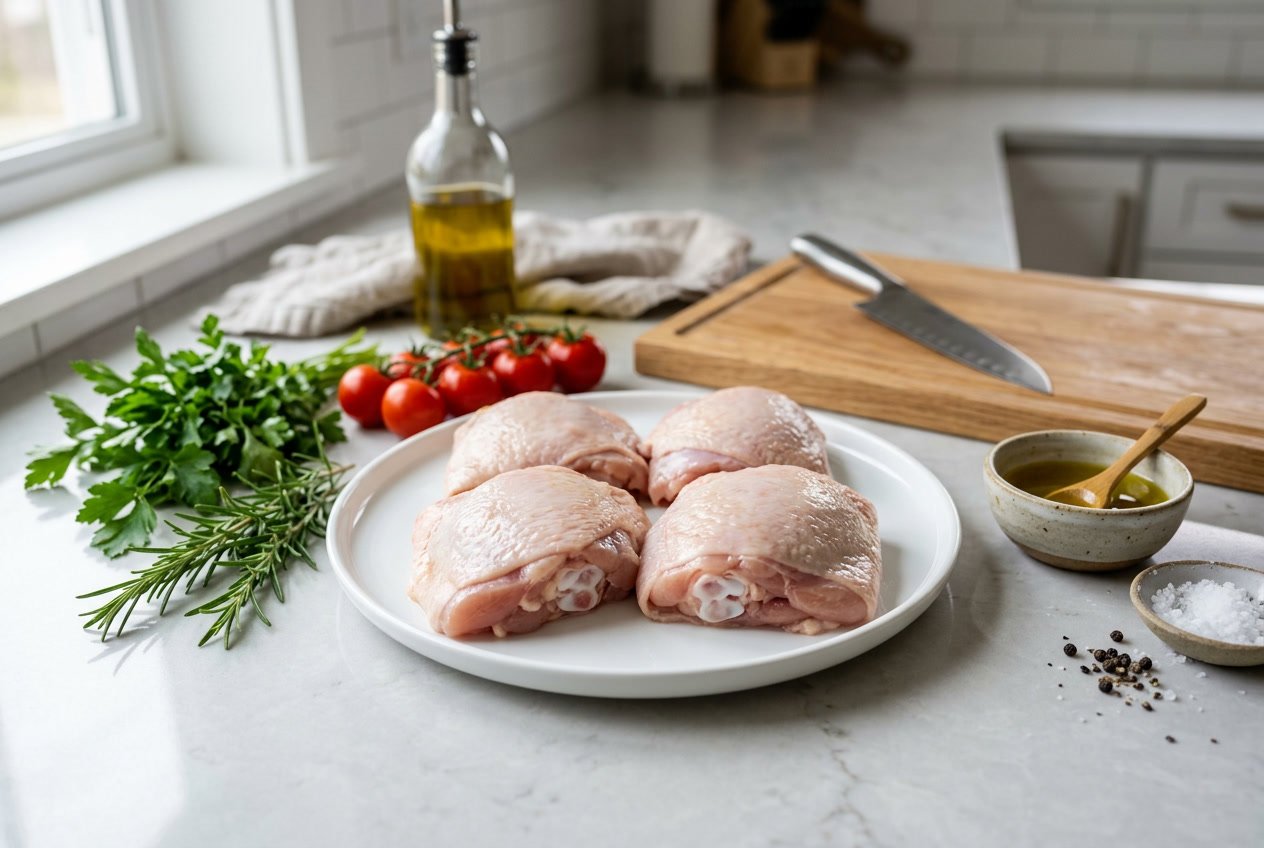
This post covers key nutrition facts, health benefits and risks, skin-on versus skinless options, and how thighs compare to other cuts.
Follow practical tips on cooking and portioning to keep flavor without unbalancing your plate.
Nutritional Content of Chicken Thighs

A 3-ounce cooked, skinless chicken thigh typically delivers about 160–210 calories and provides a dense dose of protein plus several essential minerals.
Skin-on thighs contain more fat and calories, which is the main difference affecting your daily eating goals.
Macronutrient Breakdown
A 3-ounce (about 85 g) cooked, skinless chicken thigh supplies roughly 20–26 g of protein and about 8–10 g of total fat, with 1.5–3 g saturated fat depending on trimming and cooking method.
Thigh protein is high-quality and complete, supporting muscle repair and satiety.
If you keep the skin, calories rise to roughly 240–280 per 3-ounce serving and fat approaches 15–18 g. Carbohydrates are essentially zero, so chicken thighs fit low-carb and higher-protein plans.
Adjust portion size if you track calories or saturated-fat limits.
Micronutrients and Key Vitamins
Chicken thighs provide significant amounts of iron, zinc, selenium, phosphorus, and B vitamins—especially B12 and niacin.
A 3-ounce serving commonly supplies about 1 mg iron and around 1 mcg vitamin B12, supporting oxygen transport and nervous-system function.
Zinc (about 1–2 mg) helps immune response, while selenium (about 15–25 mcg) supports antioxidant defenses.
Thighs deliver more heme iron and zinc than white meat, which can be important if you have higher iron needs or limited red-meat intake.
Sodium content depends heavily on added brines or seasonings, so check labels or recipes if you monitor sodium.
Dark Meat Versus White Meat
Dark meat (thighs) contains more fat and slightly more calories per ounce than white meat (breast).
The extra fat delivers richer flavor and a juicier texture, and it raises the amount of fat-soluble nutrients slightly.
Breast meat typically has about 3 g fat per 3-ounce cooked serving versus about 9 g in skinless thighs.
If you want lower fat and fewer calories, choose skinless breast or remove the skin and trim visible fat from thighs.
If you prefer taste and micronutrient density, thighs give more iron, zinc, and B vitamins per serving.
Chicken Thighs and Health: Benefits and Risks
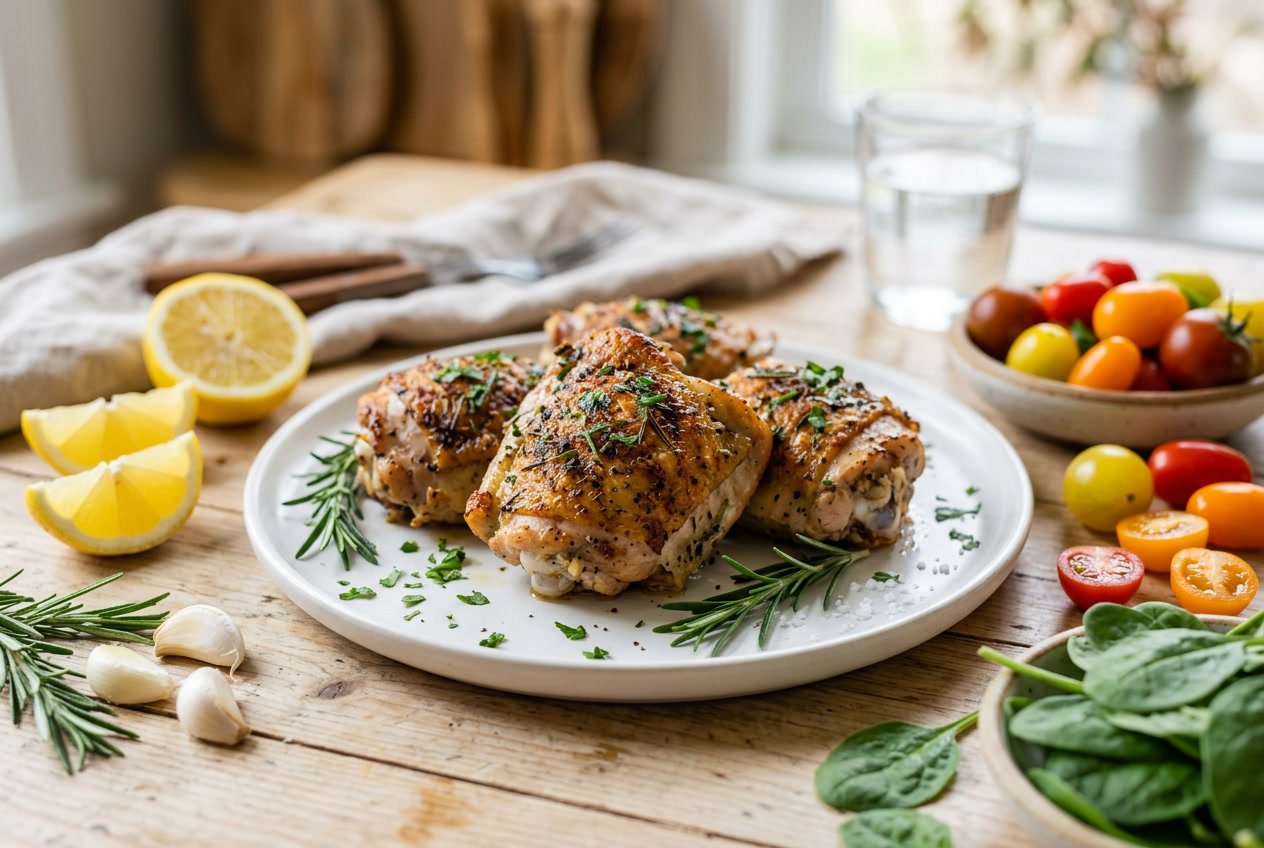
Chicken thighs provide concentrated protein, B vitamins, iron, zinc, and flavorful fat that can improve satiety and nutrient intake.
Choose skinless pieces and gentler cooking methods to retain nutrients while controlling added calories and saturated fat.
Health Benefits of Chicken Thighs
Chicken thighs deliver about 25–32 grams of high-quality protein per 3–4 ounce cooked serving, which supports muscle repair and keeps you full longer.
They contain higher amounts of iron, zinc, riboflavin, and some B vitamins than breast meat, which helps energy metabolism and immune function.
If you eat thighs with the skin off, total fat and calories drop substantially while protein remains.
The mix of monounsaturated and polyunsaturated fats in thighs can be healthful when they replace saturated fats from red meat.
Use baking, braising, poaching, or sous-vide to keep added fats low and preserve micronutrients.
Concerns About Fat Content
Thighs contain more total fat than chicken breast; a typical skinless cooked thigh has roughly 7–9 g of fat per 3–4 ounce serving.
If you leave the skin on or deep-fry, fat and calories can increase dramatically.
Pay attention to portion size, as extra fat adds calories quickly and can interfere with weight goals if you eat thighs frequently.
For most people, occasional thigh servings fit a balanced diet; for lower-fat targets, choose skinless thighs or limit frequency and pair with vegetables and whole grains.
Impact on Cholesterol Levels
A single skinless chicken thigh provides roughly 90–140 mg of cholesterol, depending on size and cooking method.
Dietary cholesterol affects individuals differently; many healthy adults show limited blood-cholesterol response, but people with hypercholesterolemia may need stricter limits.
To manage cholesterol impact, minimize skin and avoid frying.
Also monitor saturated fat in your overall diet. Reducing saturated fat from other sources while including thighs with healthier fats can help keep LDL cholesterol lower.
If you have established high cholesterol, consult your clinician or dietitian about portioning and frequency.
The Role of Skin and Cut: Skinless vs. Skin-On
Skin adds fat and flavor. Removing it lowers calories and saturated fat but can change juiciness and cooking method.
Cut and whether the thigh is boneless or not affect portion control, cooking time, and nutrient density.
Skinless Chicken Thigh Nutrition
Skinless chicken thighs provide concentrated protein with less fat than skin-on thighs.
A typical 3-ounce cooked skinless thigh gives about 20–22 g protein and 110–140 calories, depending on trimming and cooking method.
They remain a good source of B vitamins (niacin, B6), iron, zinc, and selenium—nutrients you keep when you remove the skin.
If you track saturated fat, skinless thighs cut that by several grams per serving compared with skin-on.
For flavor without skin, use marinades, herbs, or moist cooking (braise, stew) to retain tenderness while keeping the meat lean.
Boneless Skinless Chicken Thighs
Boneless skinless chicken thighs heat faster and work well in quick recipes like stir-fries, sheet-pan meals, and grilling.
Without bones, portion sizes are easier to weigh and standardize for calorie or meal-planning.
They still offer dark-meat flavor and higher iron content than white meat, while trimming visible fat lowers calories further.
Because they cook quickly, watch for overcooking. Use an instant-read thermometer (165°F / 74°C) or short cooking times to avoid drier meat.
Boneless, skinless thighs work well in high-protein meal preps and calorie-controlled diets where you want the taste of dark meat with lower fat.
Effect of Removing Skin on Health
Removing the skin reduces total fat, saturated fat, and caloric load per serving, which can help if you aim to lower LDL cholesterol or daily calorie intake.
The trade-off is less fat-soluble vitamin contribution from the skin and reduced natural insulation that keeps meat moist during high-heat cooking.
You can offset that by using moist-heat methods or adding small amounts of healthy fats (like olive oil or avocado) for mouthfeel.
For most people, swapping skin-on for skinless thighs is a practical step to reduce saturated fat without losing protein quality.
If you need extra nutrients from fat or prefer crispy texture occasionally, save skin-on portions for occasional meals and choose skinless for regular consumption.
How Chicken Thighs Compare to Other Cuts
Chicken thighs deliver more calories and fat per ounce than lean white meat, while offering higher iron and zinc.
They usually stay juicier during cooking and provide more satiety, but they also contain more saturated fat than skinless chicken breast.
Chicken Thighs Versus Chicken Breasts
Chicken breast (white meat) is lean: about 100–110 kcal and about 22–24 g protein per 100 g when skinless and cooked.
That makes it useful when you need maximal protein with minimal calories, such as pre- or post-workout meals or strict calorie goals.
Thighs provide roughly 140–160 kcal and more total fat per 100 g, with slightly less protein by weight.
The extra fat slows digestion, increasing fullness and improving absorption of fat-soluble vitamins in the meal.
Thighs also contain higher amounts of iron and zinc, which can matter if you need to support blood or immune health.
If you worry about saturated fat or daily calorie limits, choose skinless breasts more often.
If you need flavor, moisture, or longer satiety from a meal, rotate in thighs.
Chicken Thighs Versus Other Meats
Compared with red meats like beef or pork, chicken thighs typically have less saturated fat and fewer calories per serving than fattier cuts.
They still deliver comparable iron and zinc to some lean red cuts, making them a middle ground nutritionally.
Compared with fish, thighs have less omega-3 fat but more heme iron.
Compared with processed meats, thighs are generally lower in sodium and additives when you buy fresh and cook at home.
Use thighs when you want a balance of flavor, mineral content, and moderate fat.
Limit portions or remove skin if you need to control saturated fat or total calories.
Cooking Methods and Their Impact
Different cooking methods change calorie count, fat retention, and the formation of harmful compounds.
Choosing skinless thighs, lower added fats, and moderate temperatures helps reduce saturated fat and carcinogen formation.
Baking Chicken Thighs
Baking at 375–425°F (190–220°C) cooks thighs through without added oil if you use a rack to let fat drip away.
Skinless thighs lose less moisture when baked with a brief foil cover; you retain protein and B vitamins while cutting surface fat.
Use a thermometer and remove thighs at 165°F (74°C) to avoid overcooking and drying.
For flavor without excess calories, marinate in lemon, herbs, or a small amount of olive oil, or rub with spices.
Baking allows you to combine vegetables on the same sheet pan for a balanced meal.
Grilling and Roasting
Grilling and high-heat roasting produce a browned crust and let excess fat drip off, lowering final fat content compared with frying.
Trim visible fat and pat thighs dry to reduce smoke and charring.
Avoid prolonged direct flames and cook to the safe internal temperature of 165°F (74°C).
If you’re worried about polycyclic aromatic hydrocarbons (PAHs) from charring, move thighs to indirect heat once they have grill marks or finish in the oven after searing.
Unhealthy Preparation Methods
Deep-frying and heavy breading add substantial calories and saturated fat; a typical fried thigh can double the calories of a baked one.
Using large amounts of butter, creamy sauces, or frequent pan-frying in reused oil further increases trans fats and oxidized lipids.
Overcooking at very high temperatures, especially frying or charring, raises levels of heterocyclic amines (HCAs) and PAHs, compounds linked to cancer risk in animal studies.
To limit these risks, avoid blackened surfaces, reduce cooking time with lower heat, and choose methods that let fat drain away.
Portion Size, Balance, and Diet Tips
Keep portion control, cooking method, and meal composition in mind to get protein and nutrients without excess calories or saturated fat.
Choose skinless thighs and pair them with vegetables, whole grains, and controlled fats to fit your goals.
Recommended Serving Sizes
Aim for a cooked portion of about 3–4 ounces (85–115 g) of boneless, skinless chicken thigh per meal.
That size supplies roughly 20–30 g of protein depending on cooking loss and keeps calories near 140–200, which fits most main-course portions.
If you track calories or macronutrients, weigh raw thighs and plan for trimming skin to reduce saturated fat.
Use a simple rule: one average boneless thigh is about 3 oz cooked; two thighs make a larger entrée portion (6 oz).
Adjust up if you have higher protein needs or down if you’re limiting calories for weight loss.
Consider plate method portioning: half non-starchy vegetables, one-quarter whole grains or starchy vegetables, and one-quarter lean protein (the 3–4 oz thigh).
This keeps meals balanced and prevents oversized protein servings from adding extra fat and calories.
Incorporating Chicken Thighs in a Balanced Diet
Choose skinless thighs and use low-fat cooking methods such as baking, grilling, roasting, or braising to preserve flavor while minimizing added fat.
Trim visible fat before cooking. Season with herbs, citrus, and spices instead of heavy sauces.
Pair each thigh portion with fiber-rich vegetables and a whole grain like brown rice or quinoa to slow digestion and increase satiety.
For example, try 3 oz thigh with 1 cup steamed broccoli and 1/2 cup cooked quinoa to provide protein, iron, zinc, and fiber.
Use thighs in meal plans where flavor or cost matters. Alternate with other lean protein sources such as skinless chicken breast, fish, beans, or tofu.


